

Shocking information: Animal feces are being used in birth control pills, cosmetics, and more.
Mentioning "animal feces" will likely send shivers down many people's spines due to its disgusting nature. But did you know that this natural waste product has been reused by humans for purposes that will surprise you?
1. Contraception
Do you believe crocodile dung can be a contraceptive? This method has been used since ancient times. Long ago, the ancient Egyptians prepared and inserted these pills into women's vaginas to prevent sperm from entering. The pills were made from crocodile dung, honey, and sodium carbonate. The reason is that crocodile dung is slightly alkaline, similar to modern spermicides, making it quite effective in preventing pregnancy.
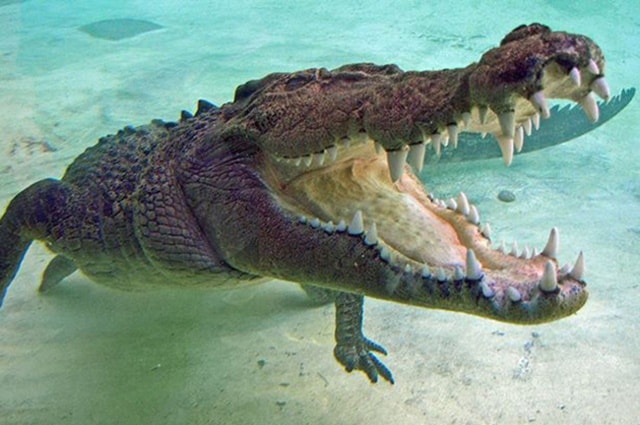 |
| Since ancient times, the Egyptians have concocted contraceptives from crocodile dung and inserted these pills into women's vaginas to block sperm. |
2. Premium Beverages
Civet and elephant dung are used to make drinks worth tens of millions of Vietnamese dong. If you're a coffee connoisseur, you surely know about the reputation of this "premium" type of coffee.
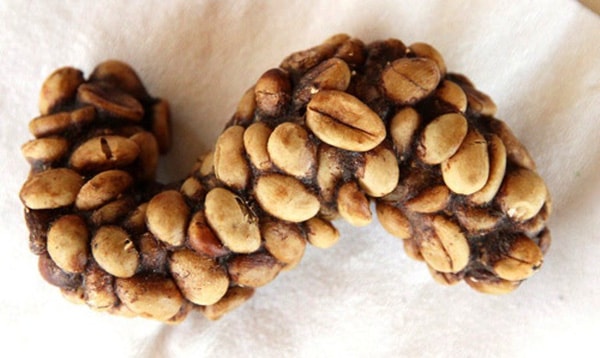
Kopi Luwak civet coffee from Indonesia is renowned as one of the most expensive coffees on the planet. A kilogram of this type of coffee can cost up to $700 (approximately 14.7 million VND). This is because the coffee is produced by the civet cat, or palm civet (Paradoxurus hermaphroditus).
 |
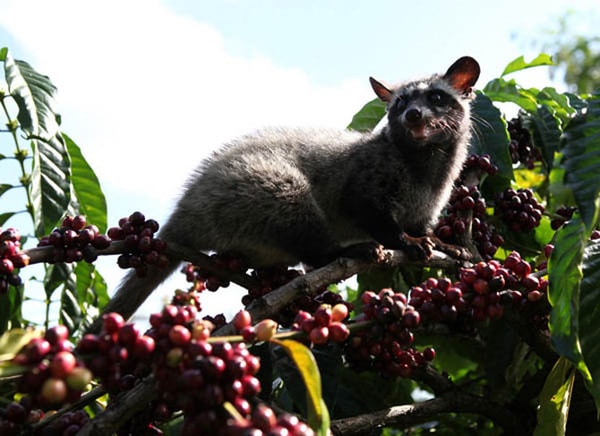 |
| These civets eat coffee cherries and then excrete the beans, which have a very distinctive flavor thanks to a specific enzyme in their bodies. |
Another equally expensive type of coffee is coffee made from elephant dung. This beverage was invented by the Thais.
When elephants eat coffee beans, the bitter proteins in the beans are eliminated by the acids in their intestines. Furthermore, the elephants' diet is standardized with many fruits like bananas and sugarcane, which gives the coffee beans in their dung their unique flavor. And of course, because obtaining these beans is not easy, the price of this elephant dung coffee reaches $1,100 per kilogram (approximately 23.1 million VND).
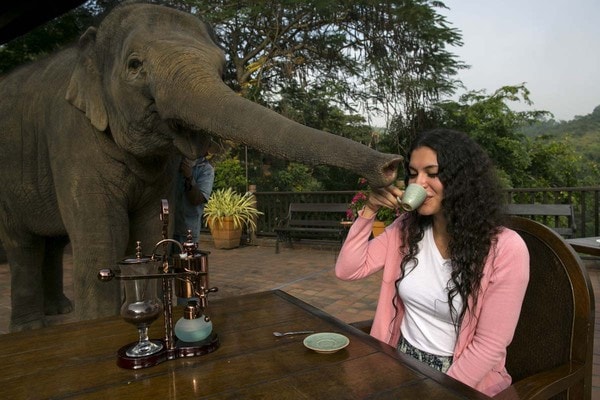 |
| When elephants eat coffee beans, the bitter proteins in the beans are eliminated by the acid in their intestines. This beverage was invented by the Thais. |
3. Souvenirs
Moose droppings are beautifully recycled into souvenirs in Alaska, Maine, Colorado, and Canada. Even more uniquely, Talkeetna, Alaska, hosts an annual Moose Dropping Festival in July, featuring numerous games and activities related to moose droppings.
 |
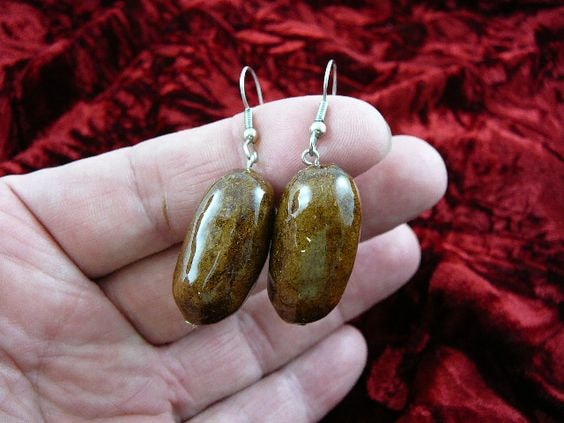 |
| Moose droppings are recycled to become souvenirs. |
4. Beauty care cosmetics
Many people would probably be horrified at the thought of using animal feces for facial skincare. However, there's a type of feces that not everyone can get their hands on for skincare: nightingale droppings.
Japanese geishas have many beauty secrets, especially when it comes to skincare, and one ingredient in their secret skincare formula has been revealed to be nightingale droppings.
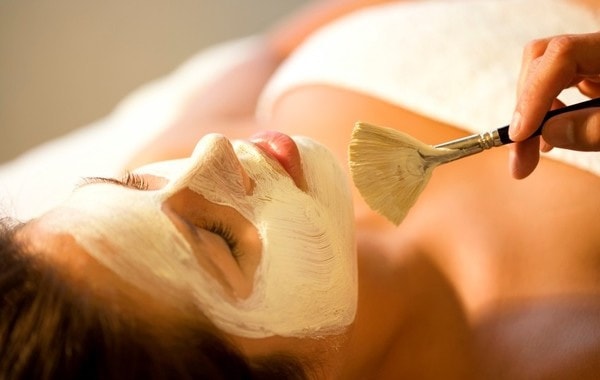 |
| Nightingale droppings contain potent enzymes that can exfoliate dead skin cells and remove blemishes. |
According to ancient records, nightingale droppings from Kyushu Island were used by Japanese geishas in the past for skincare. The material was dried in the sun and then mixed with rice bran and water to create a highly effective face mask.
And to this day, many beauty salons still use this beauty treatment. Nightingale droppings contain powerful enzymes that can exfoliate dead skin cells and remove dark spots, helping women achieve a rosy, fair complexion.
5. Making perfume
Is it illogical to use manure in perfume production? Absolutely not. For perfume enthusiasts and connoisseurs, the name "ambergris" is certainly familiar; it's a rare and precious ingredient used in the perfume industry to produce fragrances.
And do you know where ambergris comes from? There's a species of fish that also produces this substance, the sperm whale. Ambergris forms to encapsulate the indigestible food that sperm whales swallow. This substance is then expelled into the environment through the anus.
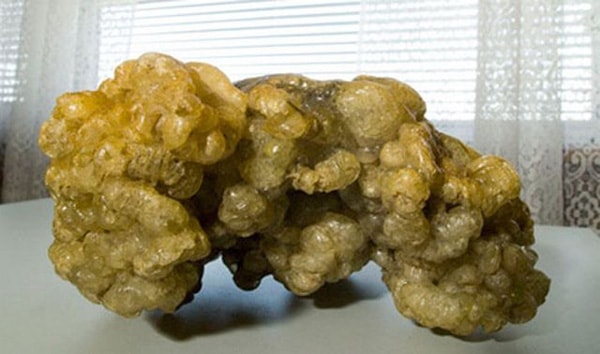 |
| A block of ambergris. |
However, ambergris is initially soft, pale white, and has a strong, foul odor. After some time, it oxidizes and solidifies. At that point, it is harvested and processed to extract ambrox and ambrinol. These two substances are what create the distinctive fragrance used in perfumes.
According to Young Knowledge
| RELATED NEWS |
|---|