

4 'Silent' Warning Signs of Osteoporosis
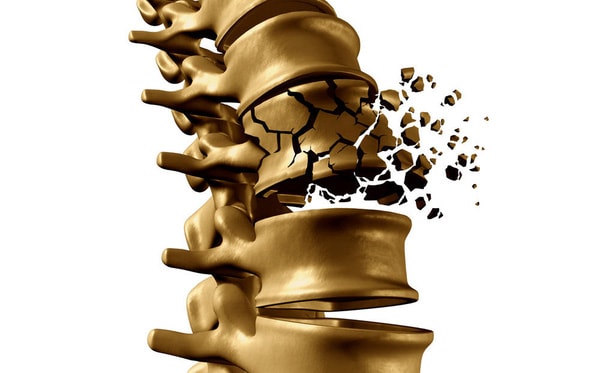
Osteoporosis has very serious consequences, making bones brittle, fragile, and very easy to fracture, even without injury.
 |
Many people used to think that osteoporosis was a "luxury" problem, rarely encountered and not something to worry too much about.
But the reality is that over time, especially for those over 65, the risk of fractures in the spine, hip, or wrist due to osteoporosis is very high.
Statistics show that osteoporosis is the most common bone disease worldwide.
It is projected that by 2050, there will be 6.3 million cases of hip fractures worldwide due to osteoporosis, with 51% of these occurring in Asian countries, where daily diets often lack calcium.
In Vietnam, over 4 million people suffer from osteoporosis, affecting both men and women, most commonly postmenopausal women. This is considered a worrying problem.
However, early diagnosis and aggressive treatment of osteoporosis remain very challenging. The disease is more common in women than in men, with a ratio of 3:1.
Osteoporosis has very serious consequences, making bones brittle, fragile, and very easy to fracture, even without injury.
Therefore, you must take immediate action now, while you are still young, to prevent osteoporosis from occurring, because it will be too late to regret it later.
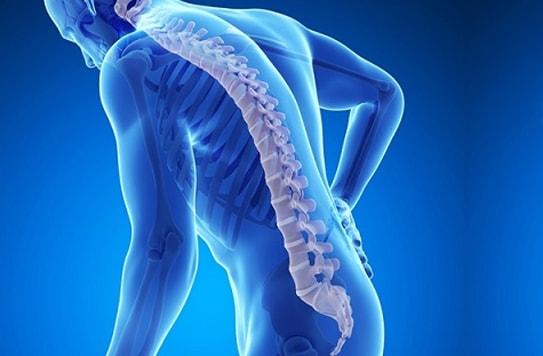
Here are four subtle warning signs that your musculoskeletal system may have problems.
 |
Symptom 1: Heartbeat
Resting heart rate is measured as the number of heartbeats per minute when the body is at rest.
Although the average resting heart rate for each person ranges from 60-100 beats per minute, scientists believe that those with a heart rate of 80 face a higher risk of hip, pelvic, and spinal fractures.
The reason is that heart rate reflects your activity level. A high resting heart rate is often found in sedentary individuals who don't regularly walk, a crucial physical activity for building strong bones.
 |
How to handle it:First, you need to know your resting heart rate. In the morning, while lying in bed, place one or two fingers (index and middle fingers) on your wrist or neck.
Count the number of heartbeats in 15 seconds. Then multiply that number by 4, and you will know your resting heart rate.
If the result is higher than 80, it's a warning sign that you should be more active. Although some sports make your heart beat faster, regular exercise will lower your resting heart rate. You can participate in walking, running, playing tennis, jumping, dancing, etc.
Sign 2: Brittle nails
 |
Broken nails are quite common but can be uncomfortable. However, if this happens frequently, it could mean your bones are brittle.
Previous studies have shown that people with low levels of collagen (a health-enhancing protein) in their nails also have insufficient collagen in their bones. Meanwhile, weak or vertically growing nails indicate a calcium deficiency, a nutrient essential for bone health.
How to handle it:Include calcium-rich foods in your daily diet, such as milk, yogurt, cheese, kale, broccoli, and sardines. You can also consult your doctor about taking calcium supplements along with vitamin D.
Symptom 3: Gum recession
 |
The jawbone supports and holds the teeth in place. Like any bone in the body, it is also susceptible to weakening.
Therefore, as bone loss occurs, the gums will begin to recede or no longer adhere firmly to the teeth. This is alarming because it can lead to tooth loss.
"Women with osteoporosis often experience a clear warning sign: tooth loss," says Dr. Susan Greenspan, Director of the Osteoporosis Prevention Program at the University of Pittsburgh School of Medicine.
How to handle it:See a dentist if you are at high risk for osteoporosis, such as having a family history of osteoporosis, smoking, long-term use of steroid medications, or calcium deficiency.
Sign 4: Pulling the door
 |
If you're having trouble pulling doors open or standing up, blame your bones. Many studies have found that the strength of your grip reflects the calcium content in your arm, spine, and hip bones.
How to handle it:It's never too late to improve your muscles and balance. If you've never lifted heavy weights before, start now. You can also practice yoga or tai chi to enhance your body's strength and balance.
According to Young Knowledge
| RELATED NEWS |
|---|