

5 signs that your car engine is losing strength.
Over time, car engines gradually lose power for various reasons. If not repaired promptly, you will have to spend a considerable amount of money to completely overhaul the engine. Below are 5 signs that your engine is losing power that you need to pay special attention to.
In older vehicles, the carburetor and fuel pump are two extremely important mechanical components in the engine's operation. If the fuel line is clogged or the air intake is blocked, the engine will gradually weaken and no longer perform as powerfully as it originally did.
Today, these systems are extremely sophisticated and fully electronically controlled, which has somewhat mitigated the risks commonly associated with older vehicles. However, you should still pay special attention to the engine if the following symptoms appear.
Accelerate difficulty
This is the easiest sign to recognize: one day you press the gas pedal and the engine doesn't respond as quickly as when you first bought it; you have to press the gas pedal harder than usual to overtake other cars. At this point, you need to immediately check for blockages in the fuel injectors, air filter, or fuel line leaks.
The fuel injector pushes fuel into the cylinder along with clean air that has been previously filtered. In the combustion chamber, the ignition system ignites the fuel-air mixture to rotate the piston. Over time, fuel line leaks, a weak pump, and clogged filters can disrupt this air-fuel ratio, causing the vehicle to operate below its designed power output.
Signs from exhaust fumes
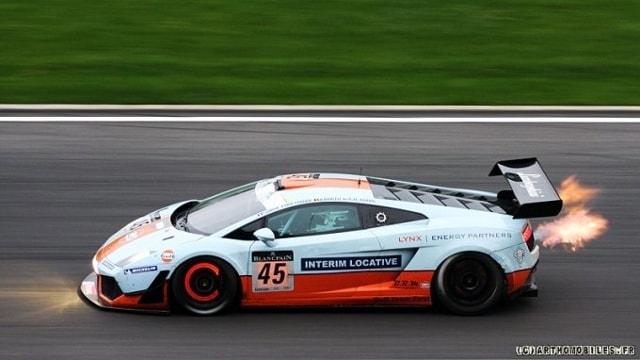
If your car isn't a supercar and you see flames coming from the exhaust pipe, it could mean the fuel pump is over-pumping fuel into the combustion chamber or the spark plugs aren't burning all the fuel. Additionally, malfunctions in the electrical system and exhaust gas sensors, as well as engine sensors, can also cause imbalances in the air-fuel ratio.
 |
Another reason could be that the spark plugs are covered in carbon deposits during ignition or that engine oil has leaked into the combustion chamber. Additionally, black smoke coming from the exhaust system is a sign of a serious engine problem, and you should have it checked as soon as possible.
The steering wheel vibrates.
When the engine is idling, the car vibrates more than usual, the severity of which is easily felt through the vibrations transmitted to the steering wheel or throughout the entire vehicle. If this vibration persists, it can lead to other consequences such as increased fuel consumption, difficulty starting the engine, and jerky idling, especially when using the air conditioning, heater, or lights.
 |
If your steering wheel frequently vibrates, it's very likely your engine is losing power. This stems from three main causes: one or more spark plugs malfunctioning, loss of engine pressure, and an incorrect fuel-air ratio.
Specifically, if the spark plugs aren't working, you should check the high-voltage line. Meanwhile, if the engine loses pressure, it means too much fuel and air are entering the combustion chamber, caused by a leaking valve or a cracked cylinder head gasket.
Climbing the hill is difficult.
Similar to the difficulty in accelerating, your car struggles to climb a hill when you could have easily conquered it before. This is often caused by the fuel system. Specifically, the fuel filter traps dirt particles as small as 1/1000th of an inch; if it becomes clogged, the fuel pump has to work harder to compensate for the lack of fuel. When climbing a hill, the fuel shortage worsens, causing the engine to stall and lacking the power needed to climb the slope.
However, simply checking the fuel filter isn't enough; you need to consider other causes of blockage, such as excessive sediment buildup in the fuel tank or unclean fuel.
The Check Engine light is on.
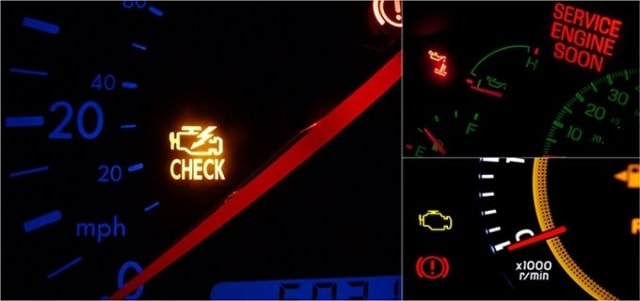 |
Modern cars are equipped with numerous sensors around the engine, so when these components malfunction, the computer system detects the problem and notifies the owner via a light on the dashboard. Of course, engine-related issues often cause the car to run erratically and lose power. When this light comes on, the first thing you should check is the sensor-equipped components such as the catalytic converter, oxygen sensor, intake air sensor, and spark plug wires.
Next, you should check the crankcase ventilation hose. If it's cracked or leaking, too much air entering the combustion chamber will cause the engine to "suffocate." This part is a very important component of the emissions control system; it's quite small and easy to replace at a relatively low cost.
Once you understand the signs that your car is gradually "weakening," you can easily diagnose the problem and carry out repairs quickly and at the most reasonable cost.
According to VNN
| RELATED NEWS |
|---|