

7 ways to control diabetes in winter
In winter, the temperature drops, and numerous holidays can make it difficult to exercise and follow your special diet... Try these principles to strengthen your health during the winter.
1. Infection prevention
Catching a cold or the flu can be a serious problem if you have diabetes, as colds and flu can lead to very serious health issues later on. For people with diabetes, preventable infections like the flu or pneumonia can progress very quickly, and in some cases, can lead to ketoacidosis.
Therefore, for people with diabetes, part of a diabetes prevention plan during the winter includes avoiding contact with sick people and washing hands frequently to prevent infectious diseases.
 |
2. Try to maintain your exercise routine.
During the winter months, everyone tends to be less active, which can lead to higher blood sugar levels. But you don't need to stop exercising just because it's cold outside. You can walk indoors or follow online workouts to still get your daily exercise.
You can also break up your workout time, 10 minutes in the morning and 10 minutes in the evening. As long as you don't completely stop exercising during the winter, any form of exercise, whether long or short, is fine.
 |
3. Pay attention to your feet.
During winter, the feet of people with diabetes need extra attention. Moisture levels tend to decrease throughout the winter, potentially leading to dry skin. Therefore, check your feet daily, moisturize them immediately after showering, and protect them with warm, dry shoes/boots. If you have poor circulation and peripheral neuropathy, you may not be able to sense cold temperatures through your feet. This increases the risk of ulcers, infections, and gangrene in diabetics during winter.
 |
4. Managing mental health issues
Many holiday plans mean more stress, less time outdoors, and less sunlight during the winter – all factors that can worsen your depression during the winter months. A type of seasonal affective disorder also occurs when you get less sun exposure, according to the American Diabetes Association.
Spend as much time in the sun as possible during the winter. If you have a history of seasonal depression, talk to mental health professionals early, around October each year, to develop a treatment plan that's right for you.
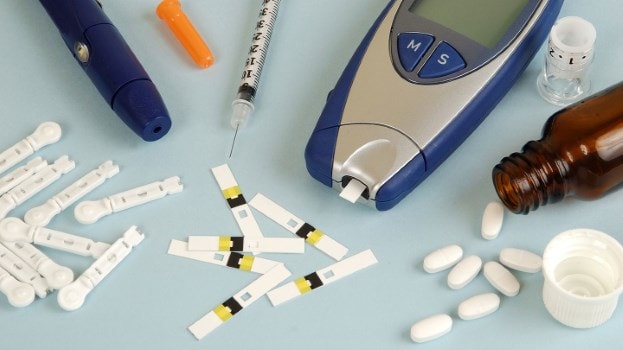
5. Proper storage of medications and equipment used to treat diabetes.
Storing insulin outside of a well-ventilated area (including leaving it in a car) is never a good idea. This is especially true during the winter months. You should also keep your blood glucose meter away from cold environmental conditions to avoid inaccurate results.
 |
6. Warm your hands.
In winter, you shouldn't check your blood sugar if your hands are still cold. Instead, give your hands some time to warm up (for example, if you've just come indoors from being outdoors). If you've been outdoors for a long time and your body temperature drops slightly, circulation in your fingertips can be affected, potentially leading to inaccurate blood sugar readings.
7. Avoid gaining weight in winter.
Lying in bed, wrapped in blankets, watching TV and snacking is a common habit in winter. The more time you spend indoors, the greater your risk of snacking. Therefore, carefully monitor the amount of carbohydrate-rich foods you eat in winter and choose alternative foods that contain fewer carbohydrates, such as low-salt soups with green vegetables and lean meat to warm your body. During holidays, nutritional considerations are also crucial to ensure you adhere to the principles of a diet for people with high blood sugar.
According to Doisongsuckhoe
| RELATED NEWS |
|---|