

What foods should people with asthma avoid?
Asthma, or bronchitis, is a chronic inflammatory disease that causes breathing difficulties and can be life-threatening if severe. Below are some foods you should avoid if you have asthma.
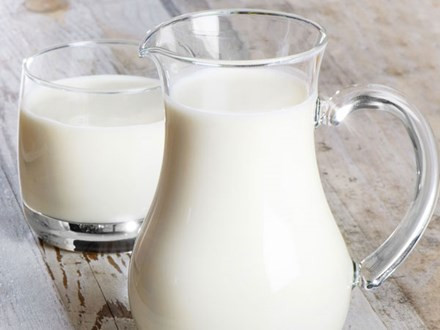
Milk:The calcium in milk is essential for the development of healthy bones and teeth. However, it is also one of the most common food allergens for asthma. Additionally, the protein in milk can worsen asthma symptoms.
 |
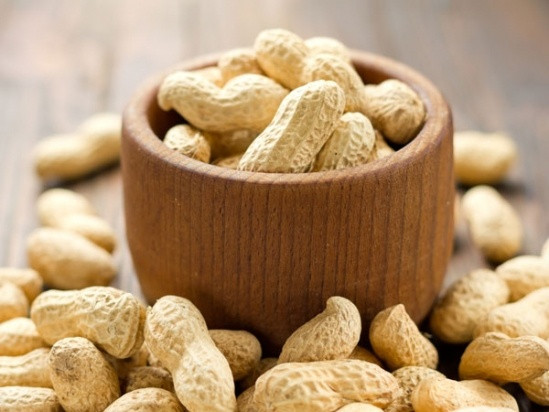
Peanuts:A recent study has shown that eating large amounts of peanuts can prolong episodes of chest pain and shortness of breath.
 |
Egg:Egg allergies are the most common cause of asthma. Egg whites contain protein. This protein can trigger asthma attacks in people who are sensitive to it, so it's best to avoid eating eggs if you have asthma.
 |
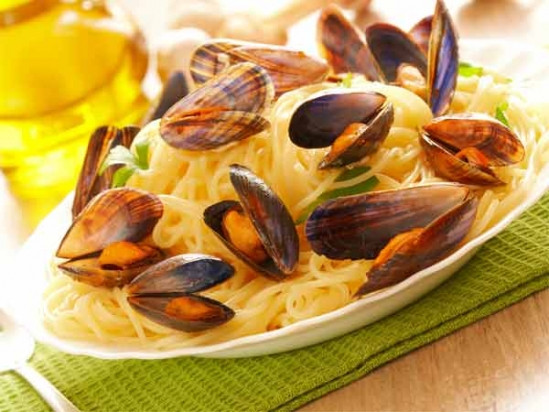
Shellfish:If you have asthma, you should absolutely avoid eating seafood. Clams, mussels, and snails can directly cause discomfort and worsen allergic reactions.
 |
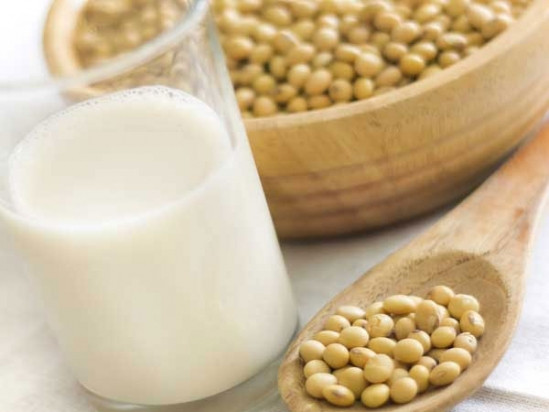
Soybeans:Soybeans contain many allergenic proteins, which can trigger certain allergic reactions in the body.
 |
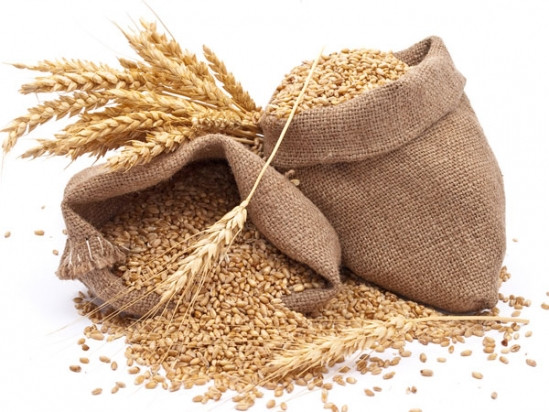
Wheat:Gluten, a protein found in wheat, can trigger asthma. Gluten causes inflammation that can restrict breathing. Therefore, wheat and wheat products should be avoided to reduce the likelihood of asthma triggers.
 |
Alcohol:Sulfite preservatives in alcohol can trigger severe sneezing and coughing in people with asthma. Red wine is the biggest culprit for allergic reactions. Alcohol can worsen asthma symptoms due to altered acid reflux levels.
 |
Dietary recommendations for people with asthma.
- It is recommended to consume more foods rich in beta-carotene found in gac fruit, pumpkin, carrots, papaya, sweet potatoes, spinach, yellow and orange bell peppers, etc., and vitamin E found in vegetable oils and nuts, which also helps protect and enhance respiratory function.
- Asthma patients should also eat more foods such as onions, garlic, turmeric, chili peppers, mustard, broccoli, and herbs to boost immunity, clear phlegm, protect and open up the respiratory tract.
- Daily meals should be complete and balanced, providing all necessary nutrients; the proportion of fat in the diet should account for approximately 40-45% of the total daily energy intake. Carbohydrates in the diet also help improve respiratory airflow.
- Foods rich in omega-3 fatty acids can reduce inflammation and lower the risk of shortness of breath and wheezing. Foods rich in omega-3s include salmon, herring, and mackerel; oily nuts can also help prevent hereditary asthma in young children.
A moderate exercise regimen, practicing Qigong, yoga, Tai Chi, and daily body massage can also be very beneficial for people with asthma.
At the same time, you should maintain a calm state of mind, avoiding excessive worry and stress.
According to Labor