

The most popular Vietnamese films during the subsidy period.
"The Wild Field," "Saigon Commandos," and "When Will October Come?" are some of the works that left their mark in the 10 years before the Doi Moi (Renovation) period.
According to the book History of Vietnamese Cinema (2003) by screenwriter Nguyen Thi Hong Ngat, Vietnamese cinema produced 149 feature films that were released to the public.From April 1975 to 1985On average, there are 12 animated films and numerous documentaries released each year.
The 10 most outstanding films from the period 1975-1986 show the gradual shift from propaganda films to critical films and then to films capable of attracting the public.
First Love (1977)
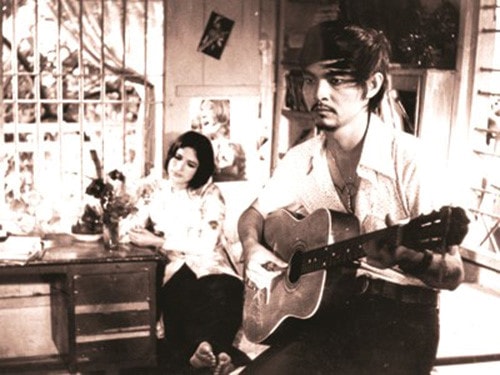 |
First Love was one of the first films to create a sensation in state-run cinemas in the late 1970s. The film, produced byDirected by Hai Ninh and written by Hoang Tich Chi, this was one of the first works to dare to address the sensitive topic of love in a country that had just emerged from war. The plot tells the story of a Saigon student before 1975 who, heartbroken by unrequited love, turns to addiction to forget his pain and his life.Later, his sister helped him get back on the right path.
This film made People's Artist Thế Anh famous. Playing a twenty-year-old student in Saigon, the artist, who was nearly 40 at the time, still acted naturally and won the hearts of viewers. In addition, the character of the older sister in the film (played by People's Artist Trà Giang) was modeled after the female intelligence agent Hoàng Thúy Lan.
The Last Sin (1979)
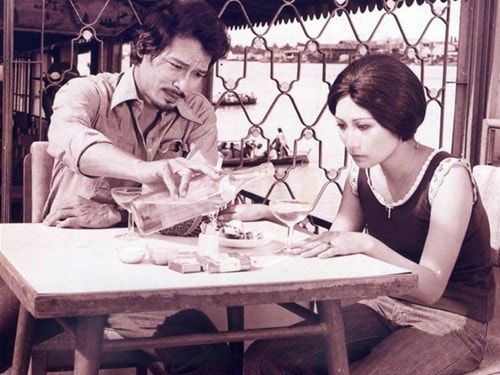 |
Director Tran Phuong's debut film became a box office sensation upon its release in mid-1979. The film tells the story of Hien "Crocodile," her journey from a street girl to an honest woman.
Meritorious Artist Phuong Thanh plays the role of Hien "Crocodile". The beauty of old Hanoi convincingly portrays two stages of a person's life: from a rebellious woman disillusioned with life to someone who loves and is full of faith in life. Director Tran Phuong once explained that he chose Phuong Thanh because her appearance, though gentle, reveals strange inner turmoil, perfectly matching the character's personality.
At the same time, the song from the film "Life Calls You So Many Times" (composed by musician Trinh Cong Son) has become a classic song for over 30 years.
The Wild Field (1979)
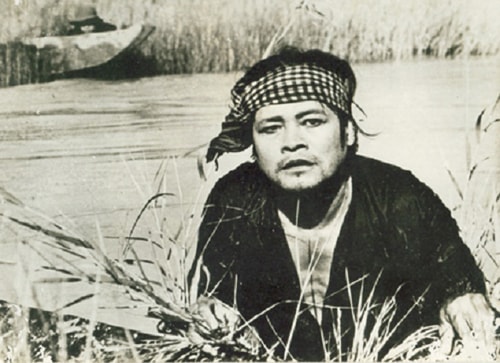 |
This was one of the first films to somewhat break free from the excessive exaggeration of revolutionary propaganda films.The film was directed by Nguyen Hong Sen and adapted from a script by writer Nguyen Quang Sang. Nguyen Quang Sang recounted in his memoirs that he had been developing the script since 1966, while on a field trip to the Dong Thap Muoi battlefield.The film follows the daily lives of a married couple working as couriers in a flooded field in the Đồng Tháp Mười region during wartime.
* Scene of a mother putting her child in a plastic bag and submerging it in water to protect it from bombs.
Thanks to its unique setting of a barren field, the film fully exploits three layers of space - above the water, underwater, and in the air (where enemy planes circle).The film's success is also due to the authentic performances of the acting duo Lam Toi and Thuy An.
Town within reach (1982)
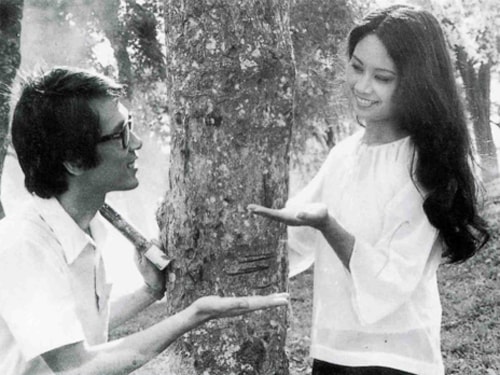 |
"The Town Within Reach" is a film that helped discover the cinematic talent of director Dang Nhat Minh – a filmmaker with a unique cinematic sensibility compared to his predecessors. Set immediately after the 1979 Sino-Vietnamese Border War, the film tells the story of journalist Vu's journey to Lang Son to report on the town's situation after the Chinese army devastated it and withdrew across the border. At the same time, the man questions his shameful past: he once abandoned his college girlfriend due to political sensitivities.
The film is a richly narrative story, shot in poetic black-and-white frames against the backdrop of the ruins and desolation of a city recently devastated by the enemy. Director Dang Nhat Minh recounts in his film memoir that when he filmed, Lang Son town was still in a state of utter ruin, like a giant film set that needed no elaborate staging. "The people were not yet allowed to return, so we had complete control of the scene." He also acknowledges that this is his most cinematic film to date.
Vu Dai Village in those days (1983)
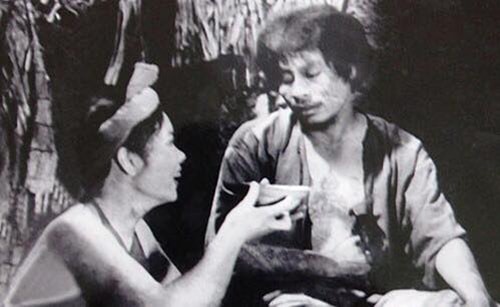 |
Among the early filmmakers of Vietnamese cinema, People's Artist Pham Van Khoa is associated with adaptations of critical realist novels from before 1945. "Lang Vu Dai Ngay Ay" (The Village of Vu Dai in Those Days) is a follow-up to his film "Chi Dau" (1980).The film adaptation of three classic short stories by Nam Cao – including *Sống mòn* (Wasted Life), *Chí Phèo* (Chí Phèo), and *Lão Hạc* (Old Man Hạc) – is a broad portrayal of Vietnamese rural life before 1945 and a realistic depiction of the suffering of Vietnamese people under the feudal and colonial regimes of the early 20th century.
Thanks to this film, two veteran actors, Duc Luu and Bui Cuong, rose to fame with their unique roles on the silver screen: Thi No and Chi Pheo. After painstakingly embodying characters with tragic and bitter fates, Duc Luu continued acting in a few more films before retiring and living a happy life, while Bui Cuong dedicated himself to directing.
When will October come? (1984)
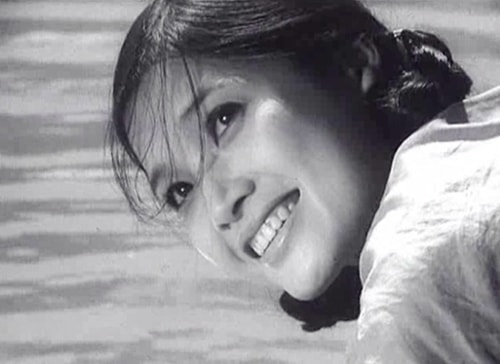 |
When Will October Come? is a movie.Vietnamese cinema is considered a hallmark of the Doi Moi (Renovation) era due to the high level of social critique in its content.Director Dang Nhat Minh recounted: "The film went through 13 rounds of censorship after it was finished."I felt like a criminal being dragged to trial repeatedly. I thought I had escaped in one trial, only to be dragged back in another." Finally, the work was reviewed by General Secretary Truong Chinh before he had it widely screened.
The plot has a valuable original idea, telling the story of a young woman who must hide from her elderly father-in-law the fact that her son's husband has died in battle. While silently enduring her grief, the young woman becomes entangled in a scandalous affair with the village schoolteacher after asking him to write fake letters to her father on behalf of her husband.
* Excerpt from the film: Wife searches for husband at the Yin-Yang Market
Beyond a story of current events, the film exposes the legacy of a nation that endured nearly half a century of war – the pain and torment that generations of Vietnamese women, like the female protagonist, suffered.The film successfully creates an atmosphere rich in Asian culture and beliefs, thanks to scenes of traditional Vietnamese opera (Chèo) and sequences of the living encountering the dead at the Yin-Yang Market. In 2008, CNN magazine selected the film as one of the 18 best Asian films.
A Kind Story (1985)
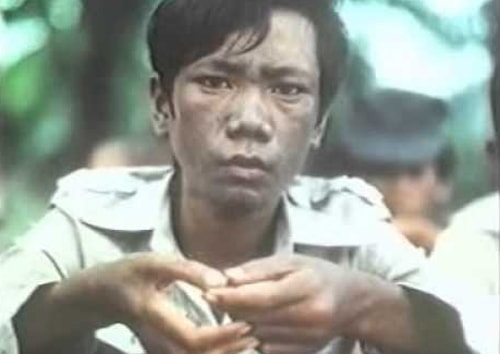 |
"A Decent Story" is a documentary phenomenon in Vietnamese cinema. Instead of having a propagandistic content like most documentaries produced during the subsidy period, the film by People's Artist Tran Van Thuy tells the story of the filmmakers themselves questioning their documentary filmmaking process. The work demonstrates the independent spirit of the filmmakers as artists, citizens, and human beings.
Initially, tThe film caused a stir in the Vietnamese film industry when it was banned from screening due to its scathing content criticizing social realities during the subsidy period.General Secretary Nguyen Van Linh intervened to help the film be widely released and well-received by audiences everywhere.The film won numerous national and international awards, including the Silver Dove at the Dok Leipzig Film Festival (Germany) in 1992.
The Girl on the River (1986)
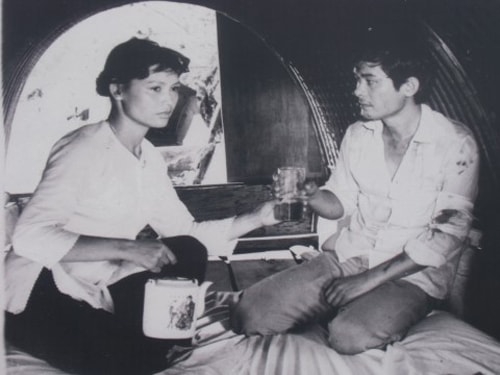 |
The story is about a flower girl who once sheltered a Saigon commando officer before 1975 and suffered a tragic fate after the war ended. The soldier she sheltered betrayed her and now, having become a high-ranking official, has forgotten her past kindness.
Girl on the RiverIt continues to be a gritty work about the country's subsidy period.The film was easily censored as the country was entering the period of reform. Its satirical stories about society and sensitive details, such as the revealing attire of actress Minh Châu, resonated with viewers.
Saigon Commandos (1982 - 1986)
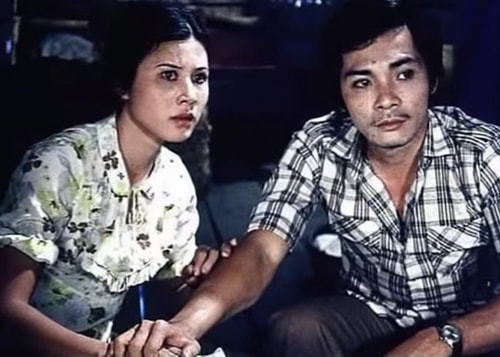 |
Along with "The Cards Are Stacked Against You," "Saigon Commandos" was a record-breaking box office hit in Vietnamese cinema during the late subsidy period, signaling the potential for stories that could draw audiences to theaters. Initiated in 1981, the project was initially commissioned by Major General Hai Phung (former Commander of the Saigon Commandos, then Commander of the Ho Chi Minh City Military Command). Filming took over four years and was divided into four episodes.
According to film producer Vu Van Nha, after its release, the film attracted over 10 million viewers to theaters. The plot tells the story of the heroic deeds of the commando forces in Saigon in the past.It served as a launching pad for the careers of numerous actors, from leading roles to supporting roles, such as Thuong Tin, Quang Thai, Thuy An, Thanh Loan, and Ha Xuyen.
The Cards Are Stacked Against You (1982-1987)
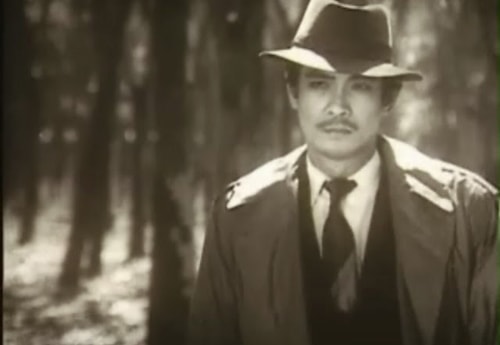 |
The film "The Cards Are Stacked Against You" is a classic series of Vietnamese cinema from before the Doi Moi (Renovation) period. The series depicts the lives and activities of real-life spies of the Vietnamese Labor Party operating behind enemy lines during the war against the US, particularly intelligence agent Pham Ngoc Thao.
This lengthy work is heavily influenced by the filmmaker's Hollywood filmmaking style.Le Hoang Hoa - the personHe received formal film training in the United States. The film is an adaptation of the espionage novel of the same name by writer Nguyen Truong Thien Ly. The role of spy Nguyen Thanh Luan is played by Nguyen Chanh Tin, and the role of Thuy Dung is played by Thuy An and Thanh Lan. Nguyen Thanh Luan is also a career-defining role for the veteran actor.
In 1986, the country ended the centrally planned economy and entered the Doi Moi (Renovation) period. However, safter The Girl on the River, Saigon Commando andThe cards are laid bare.Vietnamese cinema entered a period of crisis before the rise of video films and "instant" movies in the early 1990s.
According to VNE