
Eating cabbage daily can help prevent disease.
Cabbage is an indispensable dish on the winter dinner table of every family. Not only is it a delicious, nutritious, inexpensive, and easy-to-prepare vegetable, but cabbage also has many health benefits, both in preventing and treating illnesses.
Cabbage is an indispensable dish on the winter dinner table of every family. Not only is it a delicious, nutritious, inexpensive, and easy-to-prepare vegetable, but cabbage also has many health benefits, both in preventing and treating illnesses.
Since the 19th century, cabbage has been introduced to Vietnam as a vegetable, grown in areas with cool climates. Gradually, it has been cultivated in many parts of the country, with various varieties having thick or thin leaves, and in white, purple, and red colors.
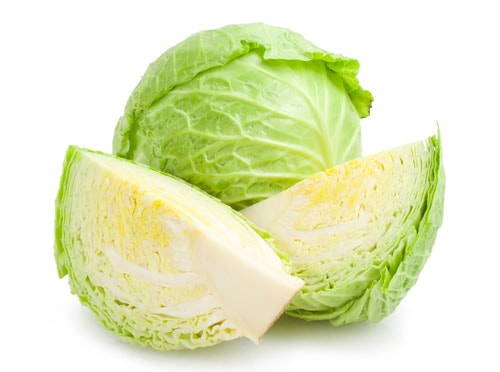 |
Cabbage, scientifically known as Brassica oleracea L. varcapitata DC, belongs to the Brassicaceae family. In winter, cabbage heads are tightly packed and harvested with the highest yield.
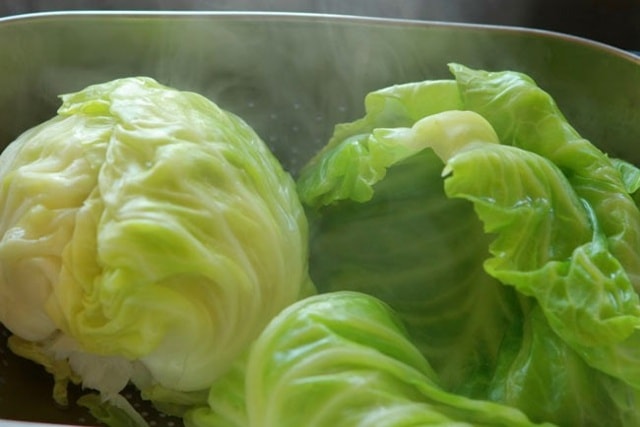
Cabbage can be prepared in many ways, such as boiling, stir-frying, making soup, pickling, or, more elaborately, steaming it into cabbage rolls with meat.
The preventative and curative effects of cabbage
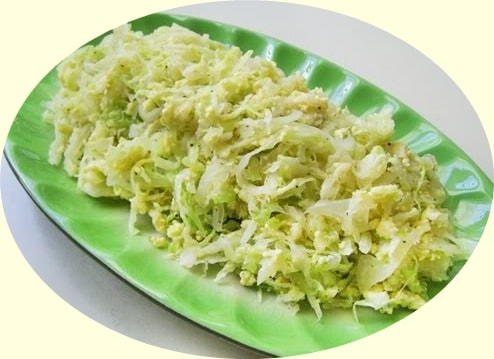
Combating obesity: Before meals, overweight or obese individuals should eat a small amount of boiled cabbage or cabbage salad to effectively reduce hunger (as cabbage only contains 29 kcal/100g). Cabbage also prevents the conversion of carbohydrates into fat.
Cardiovascular disease: Cabbage has a high cellulose content, especially red cabbage which contains up to 4g/100g, thus helping to lower blood cholesterol and reduce the risk of atherosclerosis. The high potassium content in cabbage also helps improve blood circulation and regulate heart function.
 |
Clean cabbage also helps prevent cancer.
Type 2 diabetes is caused by a decrease in the assimilation of carbohydrates, leading to low blood sugar levels.
Eye diseases: Helps improve eyesight thanks to its high content of beta-carotene, lutein, and zeaxanthin.
Helps ulcers heal faster: Especially ulcers in the digestive tract such as the mouth, stomach, duodenum, and intestines. Drink 100ml of green cabbage juice 3-4 times a day. The cabbage juice will create a mucous layer that both protects the ulcer and helps regenerate the mucous membrane.
To treat hoarseness, try the radish juice by gargling and swallowing slowly, 10 times a day, evenly spaced throughout the day.
Eating cabbage can help prevent cancer.
A study in the US induced cancer in laboratory animals and then fed them cabbage. After a period of time, the results showed a 90% reduction in cancer compared to the group that did not eat cabbage. According to Professor Wattemberg (University of Minnesota), the anti-cancer mechanism of cabbage (which is still latent, not yet manifested) is: Inhibiting carcinogens in the patient's body; Neutralizing foreign carcinogens to expel them from the body; Protecting cell membranes against the disorganized differentiation of cancer cells, limiting cancer growth.
 |
Eating cabbage ensures your diet includes all the necessary nutrient groups.
Cabbage is classified in group 4 of the food pyramid, and like other vegetables, it is a source of vitamins and minerals. Cabbage contains all 10 essential minerals the body needs, such as calcium, zinc, iron, copper, selenium, and potassium. Selenium, in particular, is an antioxidant that neutralizes free radicals, inhibits tumor growth, and combats aging. Regarding vitamins, cabbage is rich in B vitamins, vitamins C, K, and E, and especially beta-carotene and lutein. Zeaxanthin, beneficial for eye health, is particularly abundant in red cabbage.
The nutritional composition of 100g of edible common cabbage is: water 90g, protein 1.8g (containing all 18 essential amino acids), carbohydrates 5.3g, potassium 190mg, beta-carotene 65mcg, lutein + zeaxanthin 310mcg.
If it's red cabbage, the content is higher, including potassium (243mg), beta-carotene (670mcg), and lutein + zeaxanthin (329mcg).
 |
Things to keep in mind when eating cabbage:
Cabbage retains dioxins within its cells, making it toxic to those who eat it. Therefore, it's crucial to choose clean cabbage, meaning it must be grown and developed in a clean environment with clean soil, clean water, and clean air, without the use of chemicals or pesticides, and not near dioxin-producing sources such as burning landfills, cement kilns, iron and steel furnaces, or incinerators. When boiling cabbage, add a few slices of fresh ginger to neutralize the cold.
People with severe kidney failure should avoid eating cabbage due to its high potassium content. Those with a cold constitution, prone to diarrhea, or frequent nighttime urination should also limit their consumption.
Cabbage has many advantages but also some limitations, so we should only eat it in moderation and not in excessive amounts. Varying the types of vegetables in your daily meals also makes meals more appealing and delicious.
According to Health & Life