
Smartphones with removable batteries are dead.
Removable batteries used to be a competitive advantage for Android smartphones before the battle with the iPhone, but history is changing.
Removable batteries used to be a competitive advantage for Android smartphones before the battle with the iPhone, but history is changing.
This week, images of the LG G6 have been leaked. Besides the new and old features that have surfaced, one detail stands out: LG will be removing the removable battery from its next high-end model.
So, after Samsung, Sony, HTC... LG will finally abandon a signature feature of Android smartphones. At one time, removable batteries were a competitive advantage, a defining characteristic of Android smartphones in the battle against the iPhone.
It's highly likely that removable batteries won't make a comeback in the future, according to Business Insider.
There are two main reasons for this: Smartphone batteries are getting better and better, and users are increasingly prioritizing appearance and unique features.
A removable battery would limit both of these things; a premium design and luxurious materials seem incompatible with a removable battery on the back.
Users have witnessed Samsung phones with plastic casings because they had to use removable batteries. These plastic casings were unsightly, especially when compared to iPhones of the same era. Even with the Galaxy S5, design was still not a strong point for Samsung compared to its competitors.
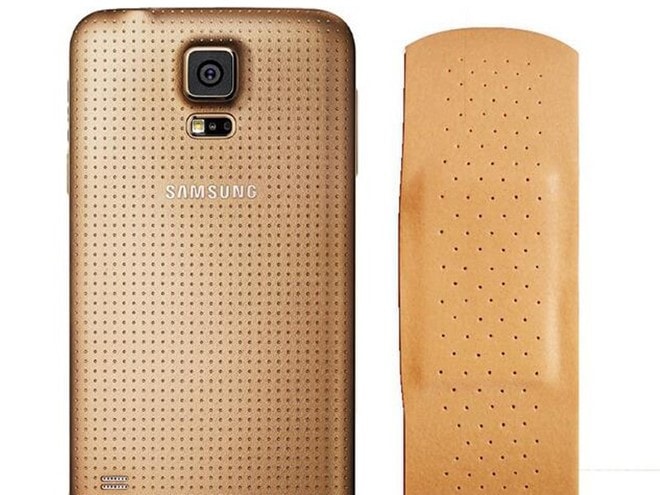 |
| The Galaxy S5 is often compared to adhesive bandages because of its plastic casing. Photo: Business Insider. |
In 2015, Samsung decided to remove the removable battery from the Galaxy S6, prioritizing a metal-glass design. They had to choose one of two.
Despite the controversies, the sacrifices were well worth it. The Galaxy S6 helped Samsung regain momentum for future successes.
Samsung's example shows that removable batteries are no longer important if it means sacrificing a premium design.
Beyond just the appearance, removable batteries render many features impossible, most notably water resistance.
Smartphones with unibody designs are only water-resistant. Comparing the Galaxy S7 and LG G5, it's clear how Samsung excels with its unibody design and water-resistant metal and glass materials compared to its competitor.
The G5 is also made of metal, but the bottom section, which acts as a latch for swapping the removable battery module, is made of plastic. As a result, the LG G5 feels disjointed at the transition point from metal to plastic. And the cheap-feeling plastic material doesn't quite match the rest of the metal. The same problem exists with the V20.
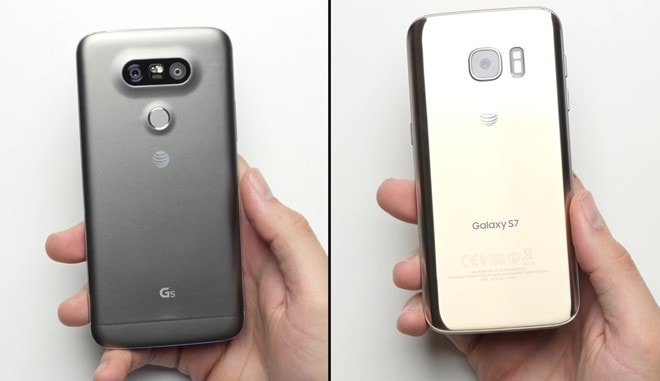 |
| Without a removable battery, the Galaxy S7 feels much more seamless than the LG G5. Photo: Business Insider. |
While smartphone batteries haven't seen a major breakthrough in years, they are improving every day. Removable batteries haven't lost their advantages, but that's becoming less and less important.
Nowadays, small, compact, and powerful portable batteries are not a rarity. For many people, removable batteries are still a hard tradition to abandon, but perhaps it's time for history to turn a new page.
According to Zing
| RELATED NEWS |
|---|