

10 health tips for older adults
As you age, to enjoy many health benefits, you need to eat better, exercise regularly, monitor your weight, have regular health checkups, and quit smoking. The American Geriatrics Association offers 10 New Year's health recommendations for seniors to help make their health goals a reality.
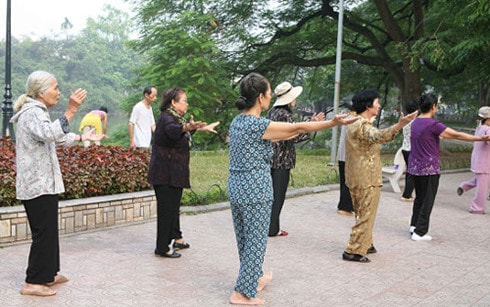 |
| Safe and healthy physical activity for the elderly. Photo: Tran Minh |
1. Eat fruits, vegetables, whole grains, fish, low-fat dairy, and healthy fats.
Older adults still need healthy, low-calorie foods. Eat at least five servings of fruits and vegetables daily. Choose a variety of dark green, bright yellow, and orange varieties such as spinach, collard greens, carrots, oranges, and cantaloupe. And include nuts and beans in your daily diet. Choose fiber-rich foods such as whole grains, brown rice, and pasta. Opt for leaner meats like chicken or turkey. Fatty fish like salmon, mackerel, herring, sardines, and tuna contain the most omega-3 fatty acids and are therefore the most beneficial.
For older adults, eating at least two servings of omega-3 fatty acid-rich fish per week is recommended. A serving of fish should be 99g. Supplement with calcium and vitamin D to help maintain strong bones. Eating milk, yogurt, or cheese twice daily is a good way to obtain these nutrients. Use healthy fats, such as olive oil and canola oil, instead of butter or lard. Use herbs and spices to add flavor when cooking, reducing the need to add salt or fat.
2. Supplement with essential vitamins.
Consult your doctor about any nutritional issues; over-the-counter vitamin supplements may be necessary. Pay particular attention to B vitamins and vitamin A. Elderly individuals should also ensure adequate intake of vitamins C and D, as deficiencies in these two vitamins increase the risk of cardiovascular disease. The recommended daily dose of vitamin C is 75mg for women and 90mg for men. Foods rich in vitamin C include oranges, strawberries, watermelon, broccoli, Brussels sprouts, tomatoes, cauliflower, and cabbage.
Recommendations suggest that, to maintain healthy levels, most adults need an average of 1,000–2,000 international units (IU) of vitamin D per day. Sunlight is the most powerful natural source of vitamin D. Just about 10 minutes of summer sun exposure can provide 3,000–5,000 IU of vitamin D.
3. Increase physical activity.
Physical activity can still be safe and healthy for older adults—even those with heart disease, diabetes, or arthritis. In fact, many people with these conditions show improvement with light to moderate physical activity. Exercises such as aerobics and walking can also help manage weight, build strong muscles and bones, and improve balance, posture, and mood.
4. Get regular health checkups.
It's recommended to schedule at least one annual health checkup to discuss your health and any changes from the past. Screening may include checking your vision, hearing, and other abnormalities such as breast cancer, colon cancer, or osteoporosis. At each checkup, talk to your doctor about all medications you are taking and whether you still need them. Find out if you may need any necessary vaccinations.
5. Limit alcohol consumption.
Drinking too much can lead to depression, increase the risk of falls, cause sleep problems, interact with medications, and contribute to other health issues. One serving is 354ml of beer (about one can), or 148ml of wine, or 45ml of spirits. The recommended maximum limits for older men are 14 servings per week and for older women are 7 servings per week.
6. Protection against falls
One in three older adults falls each year—and falls are a leading cause of injury and death in older adults. Exercises like walking or using an resistance band can increase muscle strength, balance, flexibility, and help prevent falls. Ask your doctor to check if any medications you are taking have side effects that could increase your risk of falls. Remove dangerous items from your home that could cause falls, such as slippery rugs. Install grab bars in the shower or bathroom and add night lights for easier access.
7. Give your brain a personalized workout.
The more you use your mind, the better it is for your brain to work: read books, do crossword puzzles... Try Sudoku. Join a bridging club or a discussion group at your local library or senior center. Or enroll in a course at your local community school—free classes for seniors.
8. Quit smoking.
Does smoking double the risk of developing cardiovascular disease compared to non-smokers? It's never too late to quit smoking. Older adults can still reduce their risk of many health problems, breathe easier, have more energy, and sleep better if they quit. Also, ask your doctor for help. Don't lose hope if you've had trouble quitting in the past. On average, smokers try to quit about four times before they successfully do so.
9. Speak up when you feel exhausted or anxious.
About 1 in 5 older adults experience depression or anxiety. Some possible signs of persistent depression include sadness, fatigue, loss of appetite, or decreased enjoyment of daily activities. Difficulty sleeping, anxiety, irritability, and a desire for solitude may also occur. If you experience any of these symptoms for more than two weeks, talk to your doctor and reach out to friends and family for support.
10. Get enough sleep.
Older adults also need at least 7-8 hours of sleep per night. Avoiding daytime naps can help improve nighttime sleep. A regular sleep schedule will help synchronize sleep/wake cycles. Go to bed and wake up at the same time every night. Make the bedroom a private space. Intimate and quiet activities like meditation and reading are beneficial for sleep. Keep the room cool, dark, and quiet. The mattress should be comfortable.
To maintain good health, older adults should follow the recommendations mentioned above, in order to enjoy a long and fulfilling life as desired.
According to VOV
| RELATED NEWS |
|---|