
Should MSG be used in meals?
When it comes to MSG, some people are hesitant to eat it, fearing it might harm their health. The following scientifically-backed information about MSG will help you decide whether or not to consume it.
When it comes to MSG, some people are hesitant to eat it, fearing it might harm their health. The following scientifically-backed information about MSG will help you decide whether or not to consume it.
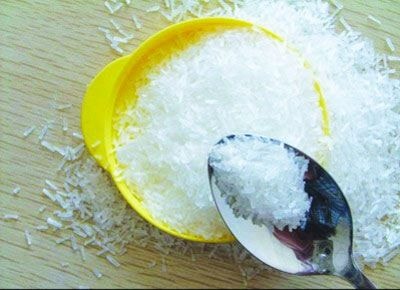 |
| MSG (monosodium glutamate) is essentially a salt of glutamic acid. (Illustrative image) |
Table salt/sodium is one of the first seasonings discovered in human history. It provides a salty taste to food, making it more palatable, while also supplementing essential minerals, balancing electrolytes, and preserving food. However, excessive salt consumption can lead to several health risks, including: increased blood pressure; increased calcium excretion through the kidneys, increasing the risk of osteoporosis; and a link to stomach cancer...
Vietnamese people have a habit of eating salty foods. Currently, the average salt consumption is up to 18-20g/person/day; three times higher than the recommended daily intake of less than 6g/person/day. Therefore, reducing salt and salty foods in the diet will have many health benefits.
However, dishes with too little salt are bland and unappetizing, making them difficult to prepare and potentially affecting nutritional status. According to the science of taste, saltiness can suppress bitterness, so reducing saltiness in a dish increases bitterness while simultaneously reducing sweetness, making it unappetizing for many people.
 |
| Using a small amount of MSG daily not only enhances flavor but also reduces salt intake. (Illustrative image.) |
One proposal suggests combining glutamic acid with Na+ to create a seasoning called MSG (also known as umami), which enhances the flavor of food.
Umami is a fundamental taste along with the other four basic tastes: sweet, sour, salty, and bitter. Umami is the taste of glutamate and a few nucleotides; it can be described as savory, the mild sweetness of tomatoes, the sweetness of broth, or the savory taste of meat. Currently, umami is a popular taste in the world's culinary cultures. The term "umami seasoning" is used to describe seasonings with a high glutamate content, such as MSG (monosodium glutamate), and fermented seasonings (fish sauce, soy sauce, shrimp paste, fish paste, etc.), with MSG being the most common.
MSG (monosodium glutamate) is the sodium salt of glutamate (Glu) – a naturally occurring amino acid that has an umami flavor in its free form. The sodium content in MSG is only about one-third that of table salt, and the amount of MSG consumed is also small compared to salt. Therefore, MSG contributes only about 1/20 to 1/30 of the sodium intake compared to salt in the diet, meaning its contribution to total daily sodium intake is negligible.
 |
| You can safely use MSG because it's also a natural flavor in food. (Illustrative image.) |
A study in Japan combined 0.38% MSG with 0.4% NaCl, achieving a palatability level equivalent to using 0.8% NaCl alone. By combining optimal amounts of NaCl and MSG, salt intake decreased by approximately 50% and sodium intake by approximately 40% without altering the taste of the food.
Glutamate (MSG) content in some foods: Fish sauce: 1307mg/100g, tomatoes: 246mg/100g, crab: 72mg/100g, soy sauce: 950mg/100g, corn: 106mg/100g, green beans: 106mg/100g...
Therefore, you can rest assured using MSG because it is also a flavoring in food. The FAO/WHO Joint Committee on Food Additives (JECFA) and the US Food and Drug Administration (FDA) both consider MSG a safe seasoning, similar to salt, pepper, and vinegar. The Vietnamese Ministry of Health also includes MSG in the list of permitted food additives.
Furthermore, the small amount we use daily makes MSG palatable while reducing salt intake, although the European Union's Scientific Committee on Food does not specify a daily dose. For patients on a low-salt diet, MSG helps them reduce salt intake while maintaining palatability, allowing them to eat and ensure adequate nutrition for their bodies.
According to Health & Life
| RELATED NEWS |
|---|