(Baonghean.vn) – Stilt houses are a distinctive traditional architecture of the Thai, Khmu, and O Du ethnic groups... Over time, the conditions and habits of house construction have changed, but generally, the image of the stilt house remains a beautiful cultural feature and an impressive architectural symbol of the highland villages.
"Father Nguyen Dinh Thuc incites parishioners."
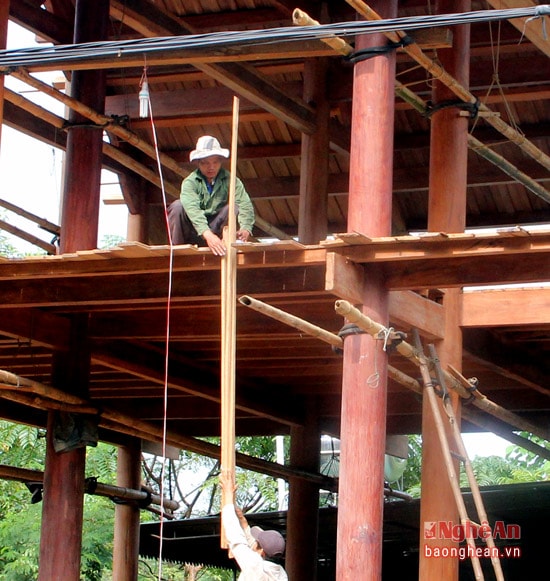 |
| To build a sturdy and aesthetically pleasing stilt house, locals often need to use tens of cubic meters of wood as building materials. Photo: Ho Phuong. |
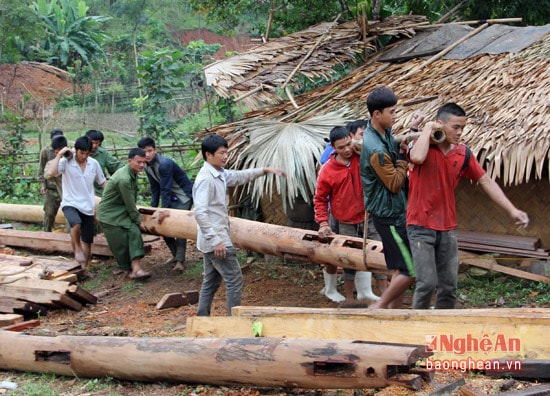 |
| The pillars of stilt houses are usually tall and large, requiring the help of many people to move them. Photo: Ho Phuong. |
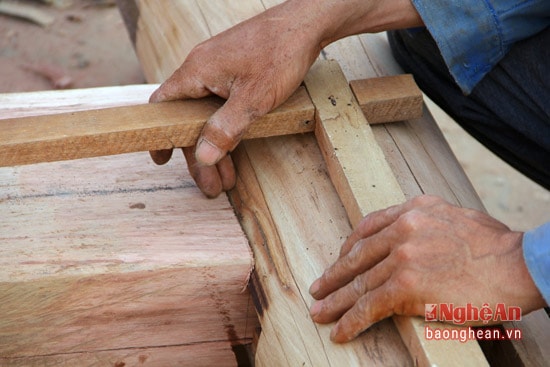 |
| Because a large quantity of timber is needed, the construction process requires meticulous and careful measurements and calculations from the builders to avoid wasting wood. Photo: Ho Phuong. |
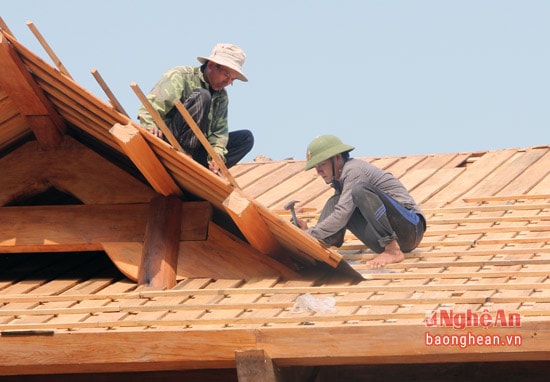 |
The roof of a stilt house is a crucial part of the overall architecture. Roofing requires the expertise of experienced craftsmen. Photo: Ho Phuong. |
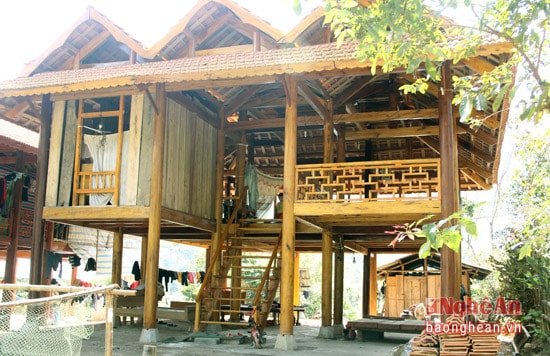 |
| A stilt house requires a large amount of wood. Therefore, to build a complete stilt house, people have to save up for many years. Photo: Ho Phuong. |
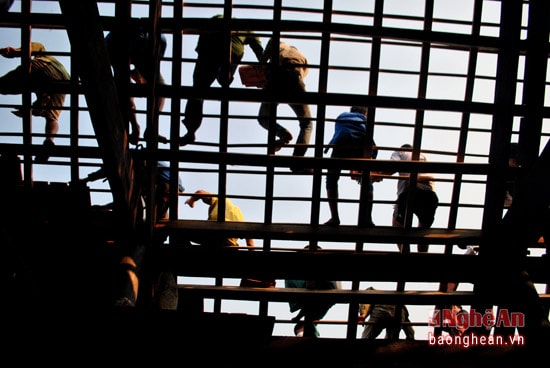 |
Nowadays, wood resources are increasingly scarce, and the policy of closing forests is strictly enforced, so wooden stilt houses are gradually becoming less common. Instead, the people have gradually changed their habits, switching to building stilt houses with concrete, roofing with various materials depending on the economic conditions of the homeowner, such as tiles, corrugated iron, palm leaves, or corrugated cement sheets... Photo: Ho Phuong. |
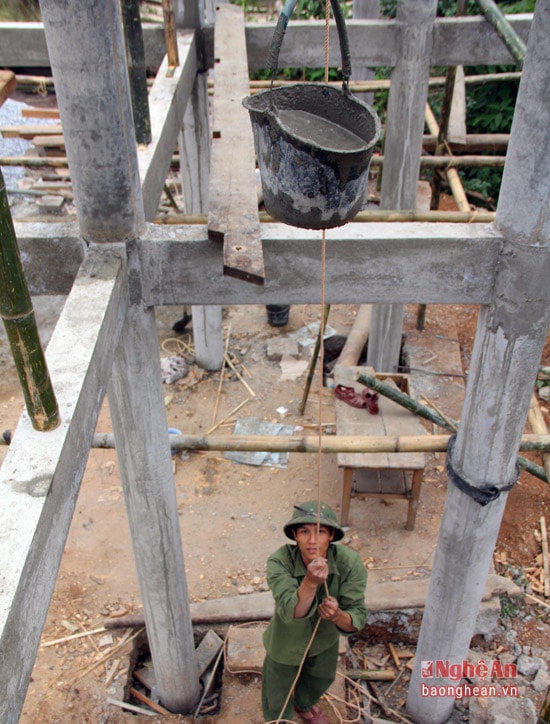 |
The trend of building stilt houses with concrete is becoming increasingly popular. This contributes to forest conservation while preserving the traditional lifestyle and architecture of the local people. Photo: Ho Phuong. |
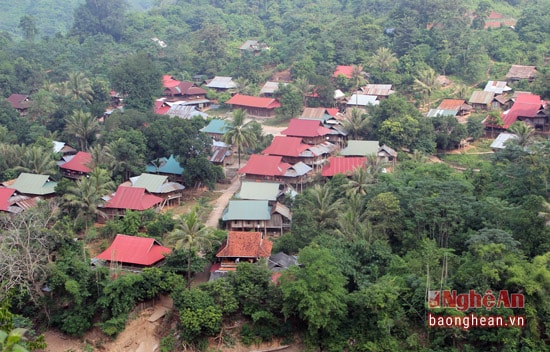 |
| In the villages of western Nghe An province, stilt houses are not only a unique cultural feature but also a symbol of a prosperous countryside. In the photo: A scene from Yen Hoa village, My Ly commune, Ky Son district (Nghe An). Photo: Ho Phuong. |
Ho Phuong

