

Shocking revelation about noise causing permanent deafness.
The study indicates that 53% of people experience hearing loss despite not being exposed to loud noises at work, but rather due to noise pollution.
"Father Nguyen Dinh Thuc incites parishioners."
Noise in modern life causes permanent hearing damage to many adults in the United States.
Until now, researchers have hypothesized that workplace noise is the main culprit behind hearing loss. However, according to research from the U.S. Centers for Disease Control and Prevention (CDC), up to 53% of people with hearing loss are not exposed to loud noises while working.
Instead, their hearing appears to have been lost due to exposure to loud noise at home (through headphones) or in their surrounding environment.
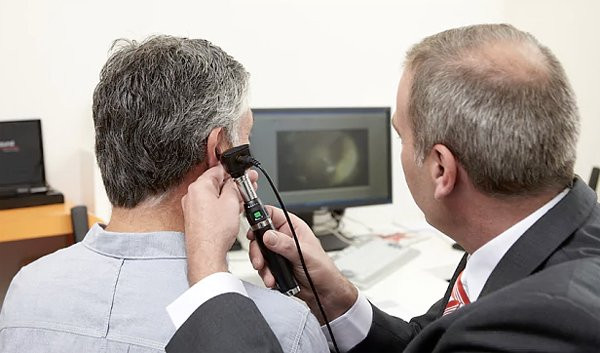 |
| Surrounding noises can also cause hearing loss. |
Many people with hearing loss don't even know they have it. One in four people believe their hearing is good or very good when it's actually damaged, according to the CDC.
"Approximately 20 million Americans have lost their hearing due to the noise of everyday activities in their homes and communities," said Dr. Anne Schuchat, Director of the CDC, at a press conference.
"People may not realize that the types of noise they are exposed to can cause permanent damage. The louder the noise and the more you are exposed to it, the greater your risk of hearing loss."
According to the CDC, hearing loss is the third most common chronic problem in the United States. Approximately 40 million Americans aged 20-69 have experienced hearing loss in one or both ears due to noise exposure.
Loud noises cause hearing loss by permanently damaging the hair cells in the inner ear upon exposure to sound waves. The ability to hear sounds and noise relies on signals that these hair cells send to the brain.
Hearing damage can occur when we are exposed to sounds with an intensity above 85 decibels (dB) for a certain period of time.
- Traffic noise inside a car is 80 dB.
- Fans blowing leaves or dust operate at 90 dB and can cause hearing damage after 2 hours of exposure.
- A live sporting event can generate 100 dB of noise and cause hearing damage after 14 minutes of exposure.
- A rock concert producing sound at an intensity of 110 dB can cause hearing damage within 2 minutes.
- A loud horn blast producing 120 dB can cause hearing damage for up to one minute.
To assess the extent of the harm caused by these noises, CDC researchers analyzed more than 3,500 hearing tests conducted on participants in a 2012 national survey on health and nutrition.
They found that one in five people who did not work in noisy environments suffered hearing damage from other ambient noise. This damage manifested as a significant decrease in the ability to hear sounds, appearing as early as age 20.
People are more likely to experience hearing loss as they age. Approximately 19% of young adults aged 20-29 have already experienced hearing loss, and this number rises to 27% in those aged 50-59. Therefore, the CDC recommends that everyone have their hearing checked regularly.
Noise-related hearing loss in the workplace remains a problem that needs addressing. New research shows that nearly one-third of people working in noisy environments have experienced hearing loss in one or both ears, notes Dr. Anne Schuchat.
To prevent hearing damage, you should:
- Get your hearing checked regularly.
- Avoid noisy places whenever possible.
- Protect your hearing with earplugs, earmuffs, or noise-canceling headphones.
- Lower the volume when watching TV or listening to music, especially if you're using headphones.
According to VNN
| RELATED NEWS |
|---|