

Unforeseen risks when having someone else's name on the land title deed.
I'm about to buy a house, but for various reasons, I want to have my cousin's name on the property deed. Is this a good idea?
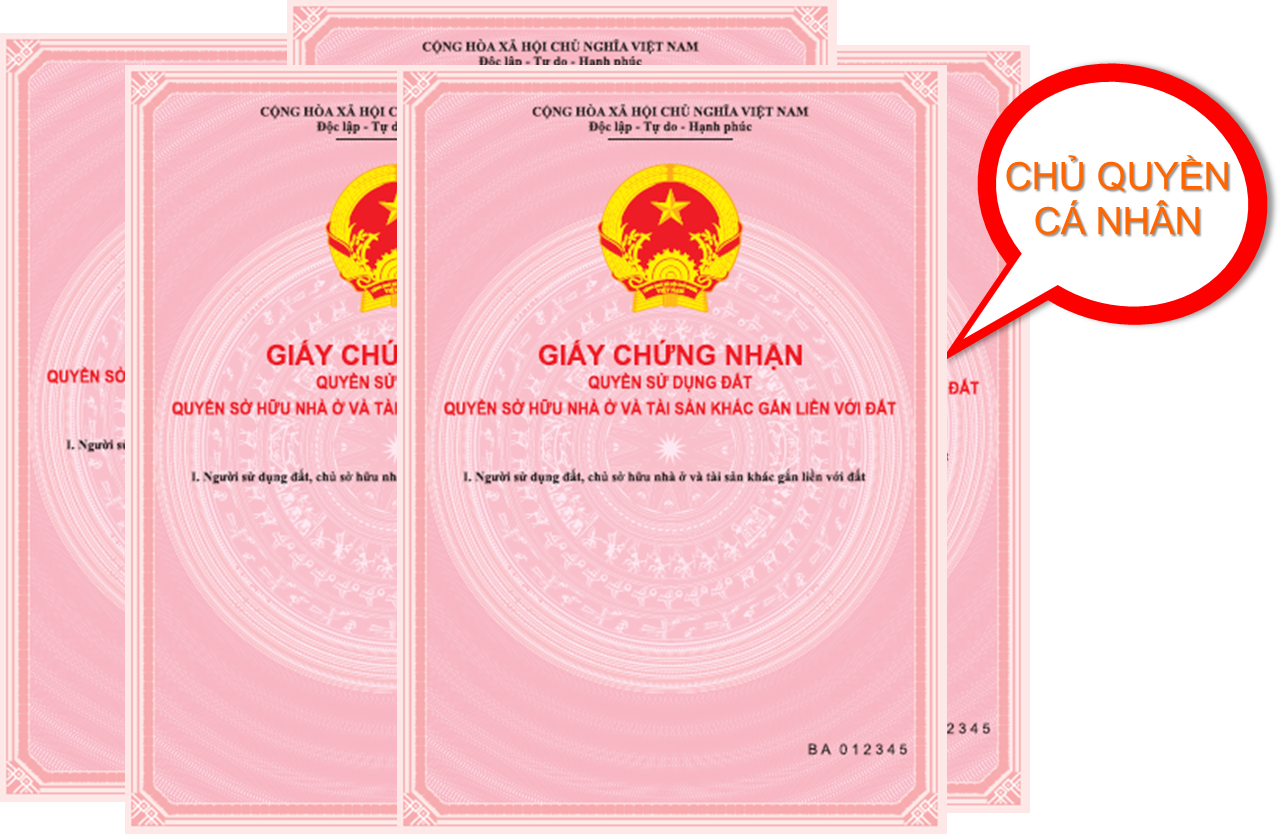 |
| The Certificate of Land Use Rights, Ownership of Houses and Other Assets Attached to Land (hereinafter referred to as the Certificate) is the basis for proving the rights of the user/owner to their real estate. |
In reality, for various reasons, some people have asked others to register real estate in their name. In such cases, the true owner can only dispose of their property through the person whose name is on the Certificate of Ownership. Therefore, risks are unavoidable, most commonly the case where the person whose name is on the certificate wants to seize the property from the owner.
Another risk is that the person whose name is on the land title dies, and according to regulations, the property automatically becomes part of the deceased's estate and is divided according to inheritance rules. The heirs may refuse to acknowledge the true origin of the property, regardless of whether they are aware of the transaction involving the title being held in someone else's name. Alternatively, during this time, a divorce may occur, and the husband or wife may request a division of the joint property acquired during the marriage.
Another risk is when the person acting as the nominee has a financial obligation to a third party, and by decision of a competent state agency, that property is seized to fulfill the obligation… In that case, the rights of the true owner will not be guaranteed, and they may even completely lose the rights they would rightfully have as the owner of the property.
From a legal perspective, having someone else's name on the land use certificate is contrary to the law. Clause 16, Article 3 of the 2013 Land Law stipulates: "The land use right certificate, house ownership certificate and other assets attached to the land is a legal document for the State to confirm the lawful land use right, house ownership right, and other assets attached to the land of the person who has the right to use the land, own the house and own other assets attached to the land."
Therefore, when you have someone's name on the certificate, the State acknowledges that person's right to use/own the house and land, even though they are not the actual owner/user of the property.
If you cannot prove you are the true owner of the house, you will naturally not be recognized as the owner, resulting in the complete loss of the property you paid for. Even if you can prove you are the true owner, you will still suffer significant losses in terms of time and money during the dispute.
Therefore, to avoid risks, you should not have someone else's name on the title deed when buying a house. If you are forced to have someone else's name on the title deed, you should consider it carefully, draw up clear commitments and agreements, and keep invoices and documents that can prove you are the true owner of the house to minimize potential risks.
According to VNE