

11 types of cancer caused by being overweight or obese.
New research has found evidence linking body fat to 11 types of cancer.
"Father Nguyen Dinh Thuc incites parishioners."
After reviewing more than 200 studies on the link between obesity and cancer, researchers found that being overweight or obese is likely to increase the risk of developing cancer.
Meanwhile, statistics from leading charities show that nearly three-quarters of people are expected to be overweight by 2035, with 700,000 obesity-related cancer cases projected within the next 20 years.
With this new finding, the international research team has warned of strong evidence linking obesity to 11 types of cancer: colon, rectal, endometrial, breast, ovarian, kidney, pancreatic, stomach, biliary system, esophageal, and bone marrow cancer.
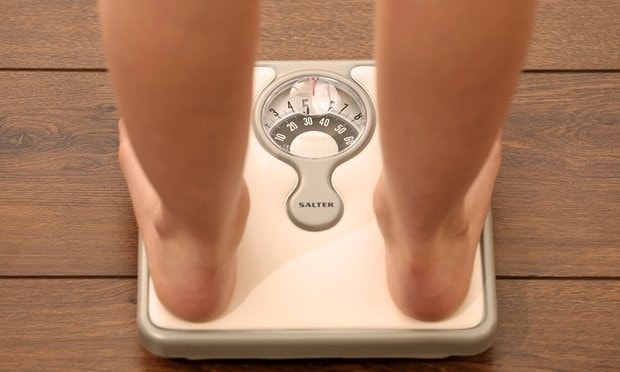 |
| Avoiding being overweight not only reduces the risk of developing diabetes and cardiovascular disease, but also lowers the likelihood of developing many types of cancer. |
Marc Gunter, co-author of the study from the International Agency for Research on Cancer, said: “People, and especially doctors, should not underestimate obesity. Avoiding being overweight not only reduces the risk of diabetes and cardiovascular disease but also reduces the likelihood of developing many other types of cancer.”
Further analysis from studies shows that an increase in body mass index (BMI) (weight divided by the square of height) is associated with an increased risk of developing certain types of cancer.
For men, for every 5 kg increase in height relative to the square of their height (5 kg/m2), the risk of developing colorectal cancer increases by 9%. For women undergoing hormone replacement therapy (HRT), the likelihood of developing postmenopausal breast cancer increases by up to 11%.
We all know that being overweight disrupts metabolism and hormones in the body. Excess fat can increase estrogen levels, insulin concentrations, and inflammation. These are effects related to cell division.
 |
| Exercise helps you stay healthy and reduces your risk of cancer. |
Professor Paul Aveyard (University of Oxford) agrees that this research highlights the need for the community to take steps to reverse the rise in obesity. He argues: “This is yet another reason for people to be concerned about whether their body weight is excessive.” This risk is not “limited” to those who are already overweight, but applies to all of us if we have excess fat. Therefore, we are all at risk.
Therefore, Dr. Rachel Orritt, from Cancer Research UK, said: “Like smoking, being overweight can be prevented. Whether it’s just light exercise, walking more, or eating less sugar, these small changes can help you stay healthy and reduce your risk of cancer.”
According to Zing