

The world's most shocking poisoning murders.
(Baonghean.vn) - The world has witnessed many cases of murder using chemical poisons to hinder investigations. Let's review some of the most notable cases with Baonghean.vn.
1. Cold-blooded killer and cyanide
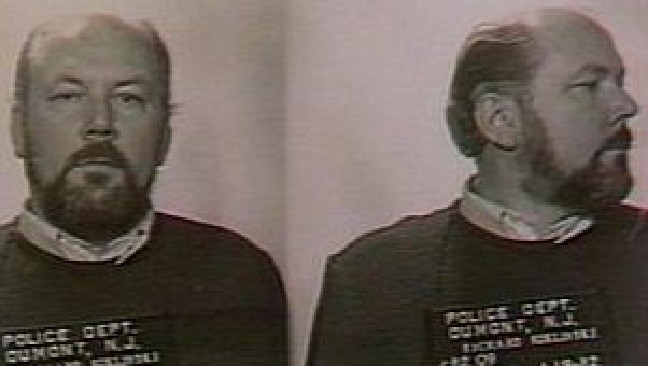 |
| The assassin Richard 'The Iceman' Kuklinski had a penchant for using cyanide poison. |
The notorious hitman Richard “Iceman” Kuklinski once admitted to killing hundreds of people. Kuklinski confessed that his favorite weapon was poisoning his victims with cyanide. This deadly poison prevents cells from receiving oxygen, causing victims to suffer respiratory or cardiac failure.
Kuklinski stated that he killed many victims by spraying poison on their faces. All traces would disappear after a few days, making it impossible for investigators to determine the exact cause of death.
Kuklinski's first use of cyanide was when he murdered a family member of Lieutenant Bonanno at a New York disco. The assassin, wearing a mask and carrying a syringe filled with cyanide, stabbed his target on the dance floor. The victim died instantly before Kuklinski left the scene.
Kuklinski was charged with five counts of murder and sentenced to life imprisonment. This cold-blooded killer died in October 2005 at the age of 70.
2. Poisoning by radiationpolonium-210
 |
| Former Russian FSB agent Alexander Litvinenko before and after radiation poisoning. Photo: AP. |
In November 2006, former Russian spy Alexander Livinenko was allegedly assassinated by Andrei Lugovoi and Dmitri Kovtun. These two agents lured Livinenko to the Millennium Hotel in Grosvenor Square, London. There, Livinenko drank a cup of tea containing polonium-210. Studies show that this radioactive element is 250 billion times more toxic than liquid cyanide.
Polonium-210's mechanism of action differs from cyanide, meaning it doesn't kill victims instantly but destroys their bodies slowly and irreversibly. It's estimated that just 5 grams of plutonium would be enough to poison all of humanity.
Despite being predicted to live for 138 days, Litvinenko died in November. Once absorbed, the radioactive substance quickly spreads throughout the body, stealing electrons from any molecules it encounters, breaking chemical bonds in living cells, and causing them to die.
The 44-year-old former spy was diagnosed with radiation poisoning, with initial symptoms including diarrhea, vomiting, hair loss, and a weakened immune system. Litvinenko died three weeks later, after the radiation spread to his bone marrow, damaging his internal organs.
Researcher Nathaniel Cary said that the autopsy of Litvinenko was one of the "most dangerous" jobs in the West. Experts had to wear two layers of protective clothing, gloves, and helmets with a separate oxygen supply system throughout the examination.
3. The Sarin gas attack in Tokyo
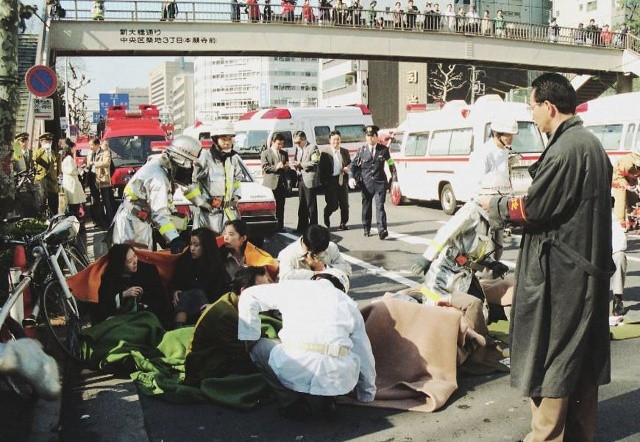 |
| Medical personnel treat victims of a 1995 chemical weapons attack at a Tokyo subway station. Photo: Kyodo |
Nearly 22 years ago, a terrorist attack in Japan killed 13 people and left 6,000 others suffering from the effects of sarin nerve gas, which paralyzes the nervous system.
On March 20, 1995, attackers placed plastic bags containing liquid sarin on subway trains during rush hour. The attacks occurred simultaneously in five locations and were carried out by followers of the Aum Shinrikyo (Ultimate Truth) religion.
Developed by Nazi Germany in the 1930s, sarin is a clear, colorless, odorless, and tasteless liquid that evaporates into a gas. Once inhaled into the lungs or absorbed through the skin, this gas paralyzes muscles and the central nervous system, ultimately causing death by suffocation.
Those fortunate enough to receive timely treatment, while their lives were saved, may still suffer permanent damage to their lungs, eyes, and nervous system. These are the pains that victims of the Tokyo subway terrorist attack 22 years ago still endure today.
4. The mysterious death of Putin's bodyguard
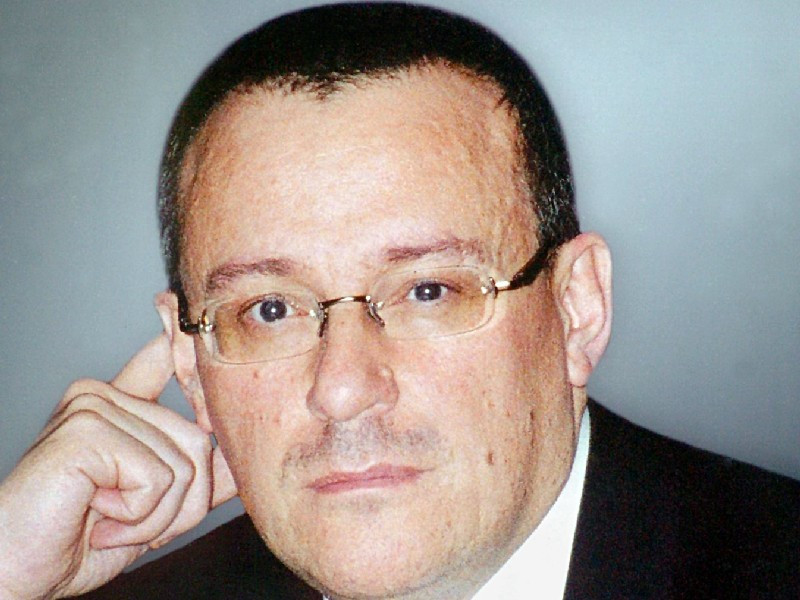 |
| Roman Tsepov. |
While most poisoning cases are identified, not all are. Former bodyguard of Russian President Vladimir Putin, Roman Tsepov, was mysteriously murdered after consuming poisoned food and drink. Following a trip to Moscow, Tsepov was hospitalized and died three weeks later.
Dr. Pyotr Pirumov said he had never encountered a case like Tsepov's. "He was poisoned in a way that was as if he hadn't been poisoned at all… It was like his immune system suddenly shut down."
The autopsy revealed that radioactive material was used in the murder. Some sources suggest it was a drug used to treat leukemia. However, the exact cause of the bodyguard's death was never determined.
Kim Ngoc
(Synthetic)