

Health benefits of taro
Taro contains a lot of starch, fiber, sugar, lipids, many amino acids and minerals (Ca, P, Fe) that are good for the body. Taro is considered one of the foods that are very good for human health.
Here are some of the health benefits of taro for our bodies.
Energy source
Taro provides more calories than potatoes, with approximately 112 calories per 100 grams. The calories in taro mainly come from complex carbohydrates, also known as amylose and amylopectin.
However, taro is lower in fat and higher in protein compared to grains and legumes. The protein level in taro is comparable to other tropical food sources such as sweet potatoes and cassava, making it a potential alternative energy source to rice.
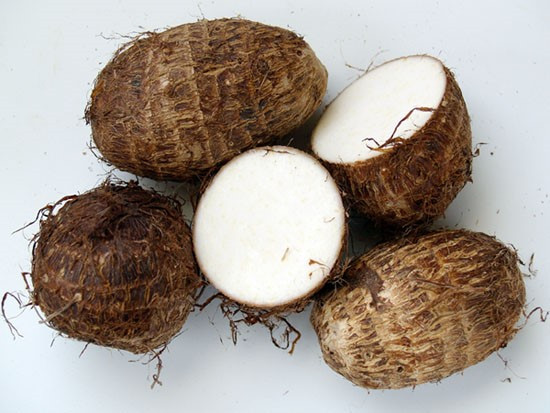 |
| Taro is lower in fat and higher in protein compared to grains and legumes. |
Good for digestion
Taro is one of the best sources of dietary fiber, with about 100 grams of taro providing 4.1 grams, or 11%, of the daily fiber requirement. Along with fiber, complex carbohydrates slow digestion, and the fiber in them also helps to gradually increase blood sugar levels.
For a healthy heart
Taro also provides several important minerals such as zinc, magnesium, copper, iron, and manganese. Furthermore, it contains a high amount of potassium. Potassium is a crucial component of cells and body fluids that helps regulate heart rate.
Helps stabilize blood pressure
Besides being good for the heart, the potassium in taro is excellent for helping to stabilize and lower blood pressure, especially for those with high blood pressure.
Laxative, relieves constipation
People who suffer from frequent constipation may develop hemorrhoids. To prevent and treat constipation, taro should be consumed. Taro contains fiber and starch granules that aid digestion. It can be eaten boiled or used in soups. If boiling, it's best to wash the taro thoroughly and boil it with the skin on. Peeling and eating it will reduce itching and the taro will be drier than if you peel it completely before boiling.
 |
| Taro contains fiber and starch granules that aid digestion. |
Combating physical weakness
The body's daily energy requirement from carbohydrates should account for 60-70% of total energy. The high carbohydrate content in taro helps provide energy, nourish nerve cells, and combat physical weakness. Especially for thin individuals, those recovering from illness, or those showing signs of weakness, consuming taro soup with pork trotters or taro cooked with lean meat can help the body recover quickly.
Support for kidney inflammation
Taro contains a moderate amount of fiber, as well as phosphorus and vitamins, making it beneficial for people with nephritis. It can be used normally in soups with meat or water spinach, but seasoned less frequently than usual. You can also cook taro with rice to make porridge, adding a little sugar, which can help prevent and treat chronic nephritis.
Boost your body's immune system.
Taro root is rich in vitamin C and other antioxidants that are beneficial for maintaining the body's immune system. By eliminating free radicals, the body stays alert and fights off many dangerous diseases.
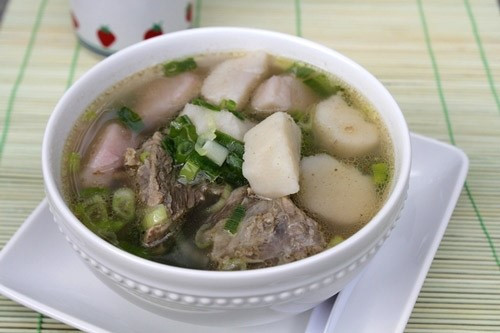 |
| Taro is one of the best sources of dietary fiber, with approximately 100 grams of taro providing 4.1 grams, or 11%, of the daily fiber requirement. |
Anti-aging
Taro's ability to neutralize free radicals and regenerate cells is excellent and crucial for maintaining the resilience of cells in the body, especially skin cells. It is very helpful in combating premature aging.
A small note: consuming large quantities of taro can cause symptoms of kidney stones and gout, as well as other health complications, if not properly prepared. For example, you should boil taro before using it in soups or other dishes, or soak it overnight before cooking, in order to reduce the amount of oxalate.
According to Zing
| RELATED NEWS |
|---|