

Skills to help children cope with pedophilia.
(Baonghean.vn) - Sexual abuse can happen to children in any culture, society, race, or religion. Authorities and parents themselves need to equip children with the necessary skills to protect themselves from sexual abuse.
 |
Sex education
Teach children to recognize sensitive areas and genitals on their bodies, and that their bodies belong only to them. Children have the right to refuse anyone from touching their sensitive areas or engaging in caressing, hugging, or fondling them.
Let your child know that "no one has the right to hurt or upset them." In addition, children should also understand that dangers can come from anyone, from domestic helpers, teachers, and even family members...
If someone intentionally touches their body, the child needs to seek help from an adult. Furthermore, children need to be taught that they should not touch others if they do not want to.
Caring for children
Parents should closely monitor all of their children's activities, thoughts, and feelings. This can help parents quickly recognize unusual signs and promptly share their concerns with their children when they encounter difficulties.
After each school day, parents can show their concern for their children by asking simple questions such as: "What did you do today? Who did you play with? Who did you have lunch with? What did you play after school?"
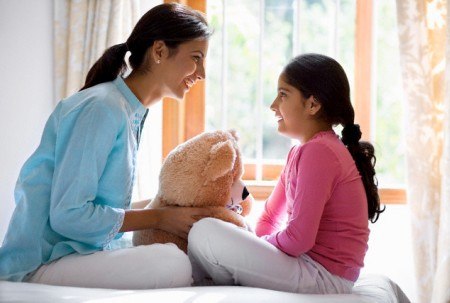
Unlike bruises from physical abuse, signs of sexual abuse are often subtle. Therefore, parents need to regularly check their child's body and closely monitor their emotional and psychological state. Children often experience changes in personality and daily habits such as sleep patterns and eating habits, or have mood swings and strange behaviors for an extended period.
 |
| Illustrative image. |
Share with your child
When children know their opinions are listened to and taken seriously, they will have the courage to speak the truth. Parents can start the conversation by asking about their children's moods and feelings. It's never too late.
Speak up alongside your child.
Because of the perpetrator's threats, many children feel anxious and afraid to speak the truth. Parents and relatives need to build trust with the children, so they understand that they will not face trouble or misfortune if they recount the entire incident.
Providing children with the skills to protect themselves.
1. Help children recognize the signs of sexual abuse:
There is not much difference in the signs of sexual abuse between boys and girls. Both children can be abused and harassed equally; the only difference is the way the abuser approaches them.
Show the child situations such as someone spontaneously giving them gifts, toys, or special attention without reason, or saying sweet, enticing words. Then, they might lure or entice the child to go far away or to dark, secluded places, touch sensitive body parts or private areas, and possibly go further to humiliate and harm the child…
2. Create realistic scenarios to help children experience them:
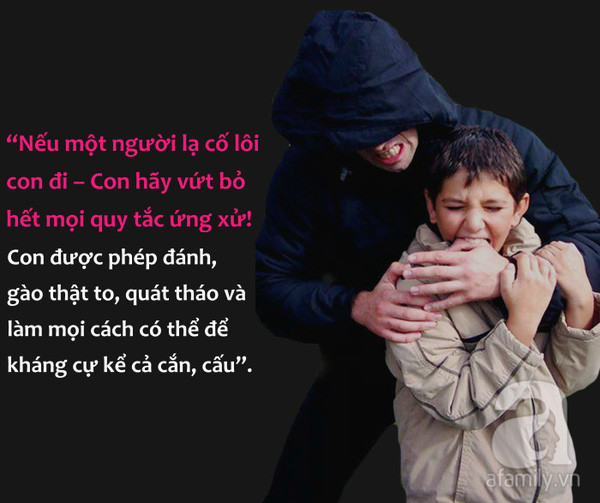
Incorporate real-life stories to help children recognize abusive or humiliating behavior from others, and to help them remain calm and find ways to distract the perpetrator, such as shouting loudly, biting their hand, crying (as if in great pain), or running outside to seek help.
 |
| Illustrative image. |
3. Practice repeatedly with the child:
Under normal circumstances, children can "practice" very accurately for their parents, but when danger arises, they may panic and may not know how to react. Therefore, parents should regularly reinforce this with their children using different scenarios and situations to help them understand and remember for a long time.
There is no single method for raising children; parents should skillfully combine various approaches, such as showing video clips of similar situations so that children can experience the real emotions they would feel if they were in that situation.
4. Teach children to say "no" to tempting behaviors:
Teaching children how to politely refuse gifts is about developing self-control and moderation in the face of temptations from attractive and appealing presents.
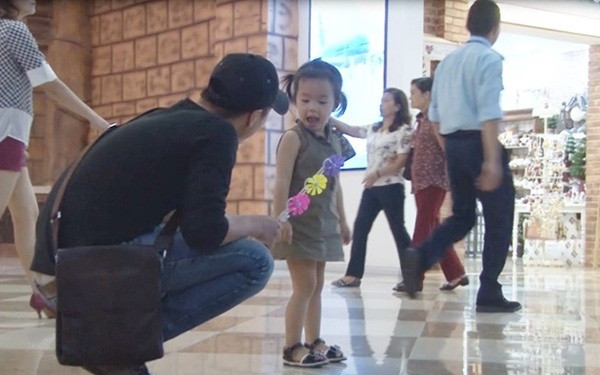
Without parental permission, children are not allowed to accept anything from anyone or go to unfamiliar places that pose a risk to themselves, no matter how appealing they may be.
 |
| Illustrative image. |
5. Develop skills in detecting suspicious signs:
During interactions, children should be reminded to develop their observational skills, paying attention to outward expressions such as facial expressions, gestures, and body language to recognize potential dangers; maintain a safe distance or stand in crowded areas so they can call for help if they experience any signs of attack or harm.
During daily activities or studies, children should stay in groups to protect and help each other in situations where they are subjected to indecent acts by others.
6. Be proactive when discussing sexual abuse:
Always be open and attentive to your children so they trust you enough to tell you immediately about any signs of sexual abuse they may have experienced. Parents must be proactive when discussing sexual abuse with their children and remain calm and composed, avoiding panic or anger.
This attitude helps children view problems in a more scientific and natural way, and also reduces their fear of integrating into society.
Hoa Le
(Synthetic)
| RELATED NEWS |
|---|