According to the Air Force and Air Defense newspaper, Vietnam has successfully produced solid fuel for various types of missiles, including operational and strategic missiles.
 |
| According to the acceptance committee's assessment, this product, used for anti-aircraft missile cruise engines, has components and features equivalent to similar foreign products. |
 |
| Mixed rocket fuels are commonly used in a wide variety of missiles, from short-range to operational and strategic-level missiles. |
 |
| The components of composite rocket fuel include a binder, an oxidizer, and high-energy additives such as aluminum powder, high explosives, flame retardants, and technological additives. The technology for producing composite rocket fuel is very complex and is always kept secret by the countries involved. |
 |
| Therefore, the successful research and development of the 9X195 composite rocket fuel rod is of significant importance, affirming the Vietnamese military's team of military scientists and engineers' ability to gradually master modern technology. |
 |
| This success also opens up the possibility of domestically producing air defense missile systems, as well as repairing some types of missiles currently in service with the Vietnamese Army. |
 |
| During the research process, the authors completed the development of a set of documents on the technological process for manufacturing 9X195 rocket fuel rods; a set of technical documents for product acceptance; and a production line for testing 9X195 fuel rods... |
 |
| The product of this project can be used to support research, training, and experimental manufacturing of composite rocket fuel, and applied to the laboratory-scale production of composite rocket fuel rods. |
 |
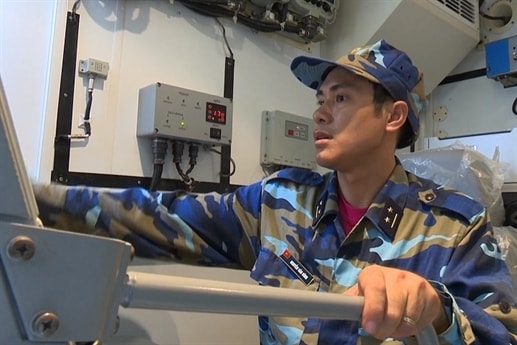
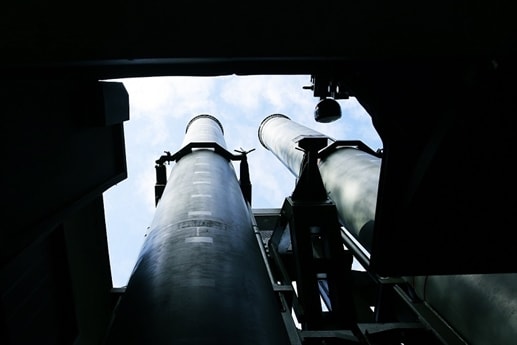
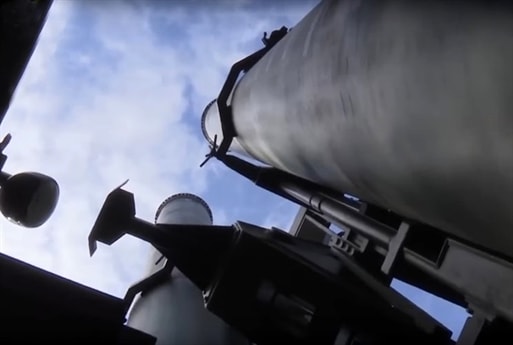
| Simultaneously, it serves to equip and replace some fuel rods of existing cruise missile engines, while also laying the groundwork for the future mass production of 9X195 fuel rods. (Image in the article: Vietnamese Navy training with the Bastion system). |
According to Baodatviet

