

How to identify the code number on the label of imported fruits
(Baonghean.vn) - Imported fruits often have a sticker with a code called a PLU code.Helping customers choose the right foods that they prefer to consume.
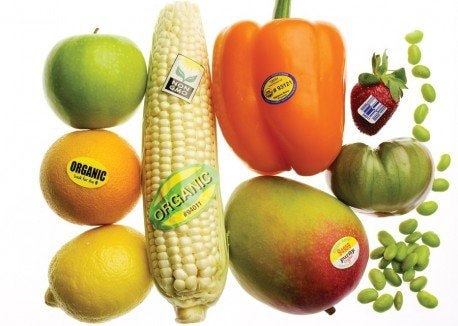
At the fruit counters of supermarkets or specialized imported food stores, each apple, pear, orange, etc., has a sticker, but very few people know the essential information behind those numbers and characters. The code on the sticker is called a PLU code, short for Price Look-up. Knowing the PLU code will help customers choose the food they prefer.
 |
PLU codes are published and controlled by the International Federation for Produce Standards (IFPS). This is a global organization that distributes codes for all fruit products circulating worldwide.
These codes have been in use since 1990, making inspection and management at supermarkets more accurate and faster. PLU codes are determined based on several factors such as type, characteristics of the fruit, growing method, and size.
Currently, more than 1,400 types of fruit have been assigned PLU codes worldwide.
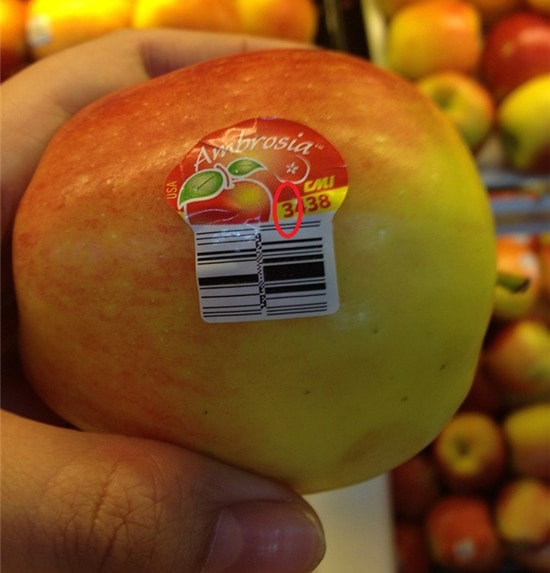
The stamp has four digits, starting with the number 3.
If the label has four digits, starting with the number 3, it indicates that the fruit has been treated with ionizing radiation technology. This food irradiation technology uses ionizing radiation energy to treat food, improving food safety and hygiene and extending its shelf life.
Radiation damages the genetic material (DNA molecules), inactivating the reproductive ability of pathogenic and harmful microorganisms, including vegetative and spore forms, parasitic cysts, and viruses.
 |
The dosage of this radiation depends on the laws of each country; for example, in the US it is regulated by the FDA, in Vietnam by the Ministry of Health, etc.
Food irradiation technology requires irradiation facilities and food processing facilities to comply with certain requirements regarding irradiation dose, product storage specifications, and conditions for storage, transportation, and processing after irradiation.
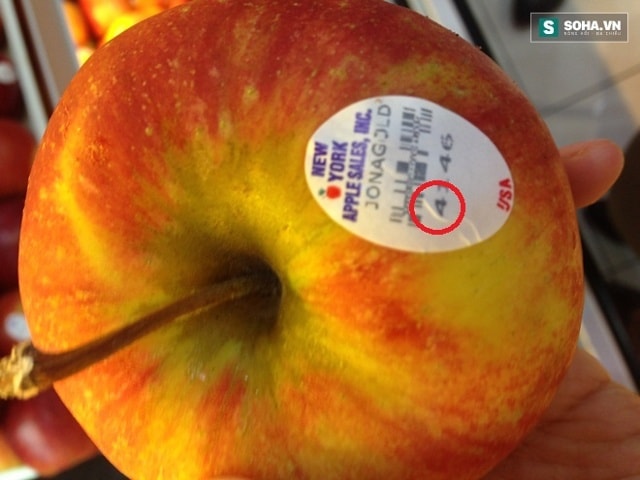
The stamp has four digits, starting with the number 4.
If the label has four digits, starting with the number 4, it indicates that the fruit was grown using conventional methods, meaning that herbicides, pesticides, growth stimulants, inorganic fertilizers, etc., were used in the correct, standardized dosages.
 |
If you buy this type of fruit, you need to...Wash thoroughly before eating and absolutely do not eat the peel or use the peel to prepare dishes (orange peel, tangerine peel, etc.).
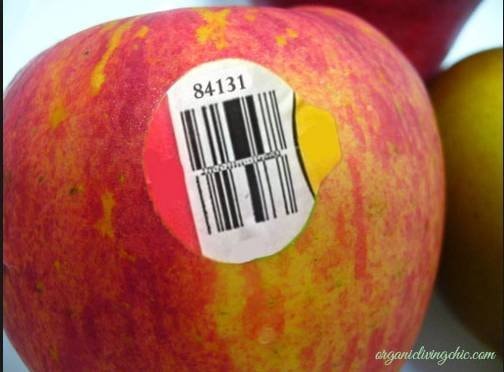
The stamp has five digits, starting with the number 8.
With a five-digit label, if it starts with the number 8, it means the fruit is genetically modified (GM) food.
Genetic engineering techniques create desired crop varieties by removing or adding genes. The impact of genetically modified foods on humans remains a controversial topic. Advocates argue that genetically modified foods are richer in protein than traditional foods, while others criticize GM foods for increasing the risk of allergies, antibiotic resistance, and toxicity to the body.
 |
Currently, genetically modified agricultural products are controversial and face widespread opposition, particularly in the European Union and several other Asian countries.
Furthermore, regulations regarding labeling are not entirely transparent, so there is still a gap between theory and practice.
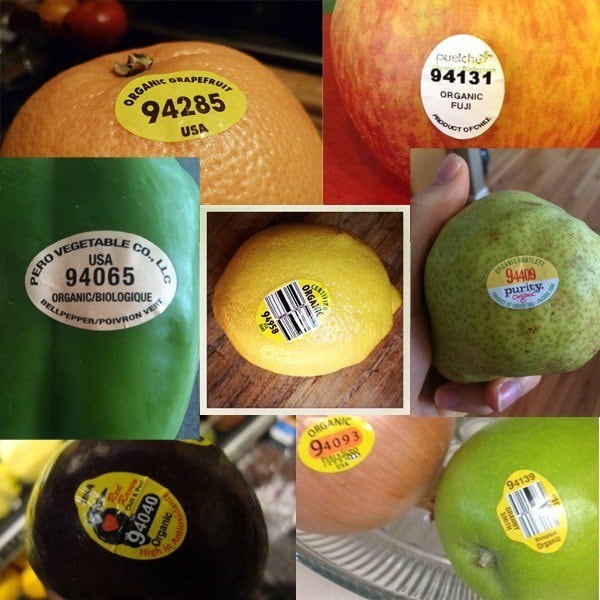
The stamp has five digits, starting with the number 9.
These are organic fruits grown using traditional methods without the use of any pesticides, chemical fertilizers, or genetically modified organisms.
Growers use natural fertilizers derived from animal manure, compost made from decaying plants and grasses, and control pests using natural predators or other biological methods.
These are natural products that are encouraged to be chosen and used. Notably, the number of countries worldwide that have regulations and fully implement organic farming is growing.
 |
Currently, the European Union, the United States, Canada, Japan, and many other countries require producers to comply with strict standards established by these countries and international trade organizations in order to obtain Organic Certification.
"Mr. Son: Growing cantaloupe using Israeli technology yields high productivity."
Nam Dan: Successful trial cultivation of Korean yellow melon
Ngoc Anh
(Synthetic)