

Diagnosing car problems by listening to your ears.
Here are a few tips to help you accurately and quickly diagnose your car's problems if you unfortunately encounter a breakdown on the road.
Many different sounds can be emitted while a vehicle is in motion, such as hissing, clicking from the ignition, horn, exhaust, steering shaft, or tire components. When unusual noises appear, the malfunction may be serious, and initial diagnoses can help you determine the cause. The first thing to do when strange noises appear is to identify their source.
Originating from the steering shaft
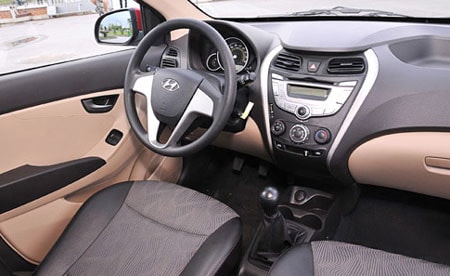 |
In essence, the steering shaft is the component that connects the steering wheel to the steering gear. However, the strange noise could be due to a malfunction in the operating system.
One of the most common noises is a "creaking" sound from the steering wheel. This sound occurs during acceleration after a period of inactivity. It could be caused by several underlying issues such as worn joints, low oil levels, or worn steering shaft bearings.
Unusual noises can be caused by some kind of malfunction in the vehicle. However, some components still make noise even when operating normally. Therefore, correctly diagnosing the cause of the noise will help the car owner avoid many inconveniences and life-threatening dangers.
From the front wheel
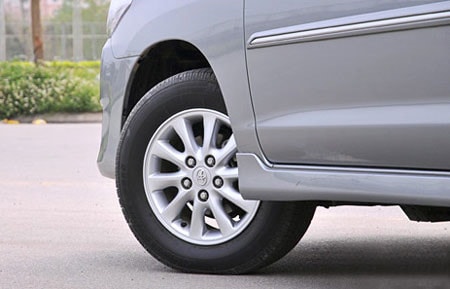 |
Tires are the only part of a vehicle that comes into contact with the road and greatly affect the vehicle's handling. Wheels also have more moving parts than the steering axle. In particular, the front wheels tend to produce more noise than the rear wheels.
The designer's goal was to create a distinct sound from the front tires so that the driver could easily identify them. Tires with different tread patterns will have different noise levels. Therefore, on the same vehicle, one tire might be louder than another.
One common sound you'll hear is a squeaking or grinding noise when you apply the brakes. Therefore, pay close attention to any grinding sounds from the wheels before braking. This noise is caused by worn brake pads, which you should check or replace as soon as possible. Also, be mindful when using disc brakes.
 |
Strange noises can also occur due to one of the following reasons:
- The brakes have accumulated dust over time.
- The brake caliper is bent.
- The brake drum is bent.
- The brake caliper spring is stretched or stuck.
- Dry brake fluid or worn brake pads
- The wheel bearing has fallen off or is worn out.
All those kinds of sounds serve as a reminder for drivers to stop and check their vehicles because they affect the safety of both the driver and the vehicle.
From the engine
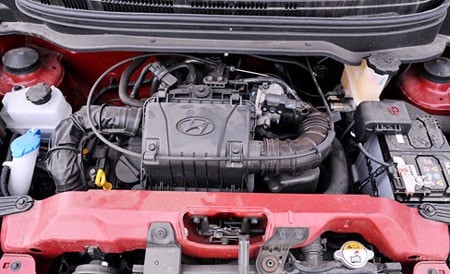 |
Noise is a natural physical phenomenon; it's not predetermined by the manufacturer. Therefore, it's difficult to detect problems for inexperienced drivers. Engines always make noise, but drivers often don't pay much attention to it.
One common type of noise is a screeching sound when the car accelerates, which could be caused by a slipping power steering system or fan belt.
A clicking sound indicates that the engine is running with too little oil, a loose valve, or some other faulty component. Noise coming from the exhaust pipe may be due to engine overheating, carbon buildup in the combustion chamber, or low fuel. Additionally, the clicking sound of the relay can help identify an improperly installed camshaft bearing, incorrect fuel delivery, or engine overheating.
According to OtoFun
| RELATED NEWS |
|---|