

10 interesting things about the Hong Kong Special Administrative Region
(Baonghean.vn) - Magnificent skyscrapers and cramped, impoverished residential areas are what tourists remember most when returning from Hong Kong, but there are many more interesting things that few people know about this place. On the occasion of the 20th anniversary of Hong Kong's handover to China, let's explore the fascinating aspects of this small land.
1. Asia's shopping paradise
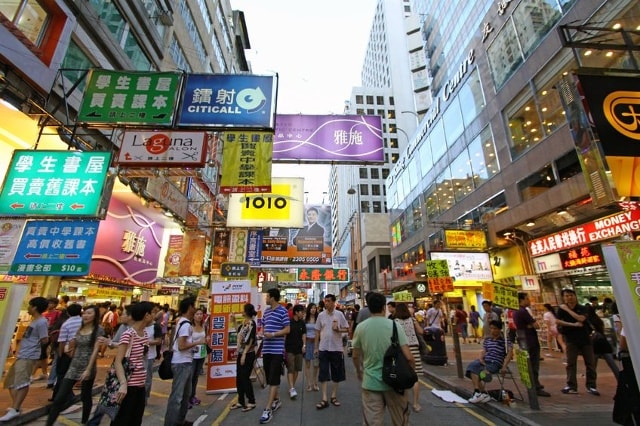 |
| For centuries, Hong Kong was a bustling port where Western merchant ships traded goods manufactured in Europe for Chinese tea, medicinal herbs, spices, and silk. The port was so prosperous, and the trade was so lively, that in Chinese, Hong Kong means "fragrant harbor." Today, Hong Kong still retains that reputation and is a unique "shopping paradise" in the world. |
2. The land of skyscrapers
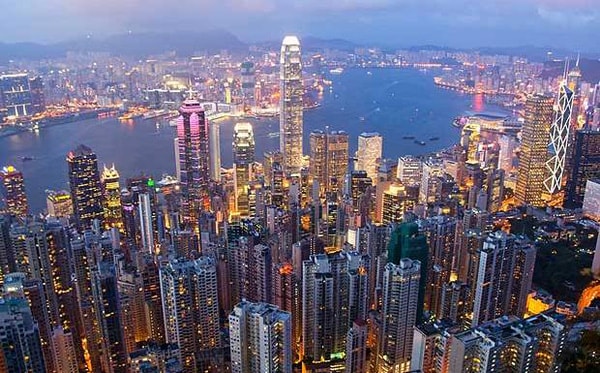 |
| Hong Kong is overcrowded: In Mong Kok, Yau Tsim Mong district, the population density reaches 130,000 people per square kilometer.2and the average density is 6,480 people per square kilometer.2These skyscrapers are concentrated mainly in urban areas. With 8,000 high-rise buildings on a land area of just 1,103 square kilometers, Hong Kong has the highest concentration of skyscrapers in the world. |
3. Always shine brightly in the darkness.
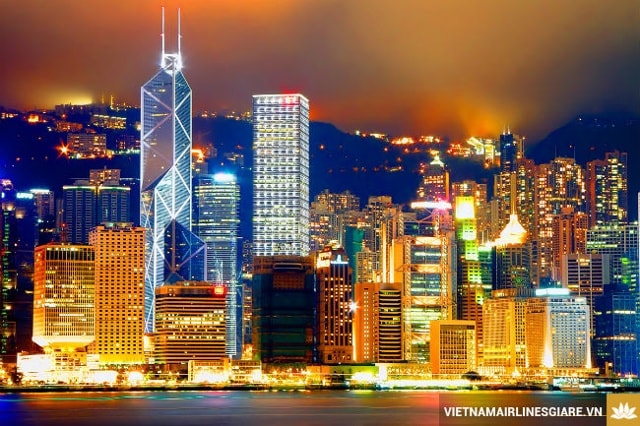 |
| Hong Kong glows brightly at night with spectacular light shows and shops and buildings illuminated throughout the night. Known as one of the cities that never sleeps, Hong Kong is teeming with bars, clubs, and night markets. Food lovers should visit Temple Street Market, or experience Aqua Spirit, a rooftop bar in one of the city's skyscrapers. |
4. Housing area for the poor
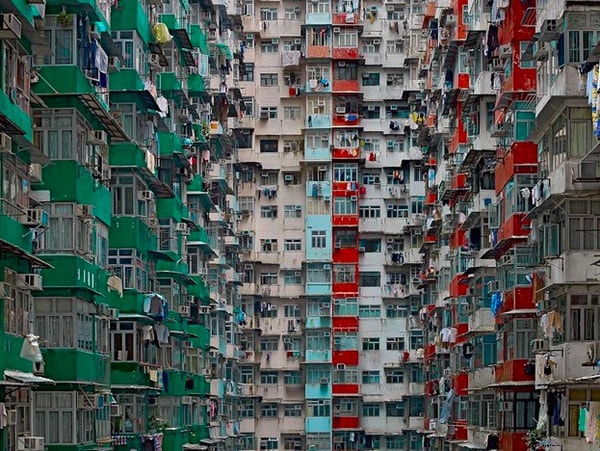 |
| It's impossible not to mention the infamous slums in Hong Kong with their unbelievable density; each "apartment" here is only about 4-6 square meters, some even half that size. |
5. Octopus smart card
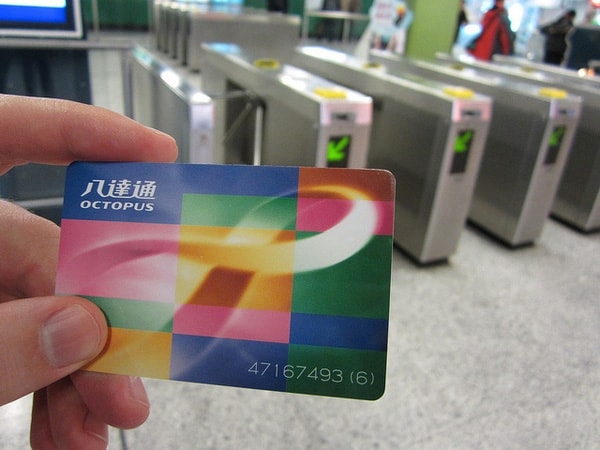 |
| Hong Kong people rarely use cash. They only use their Octopus smart card to pay for everything, from bus tickets, groceries, restaurants, parking, and vending machines. |
6. Advertising signs
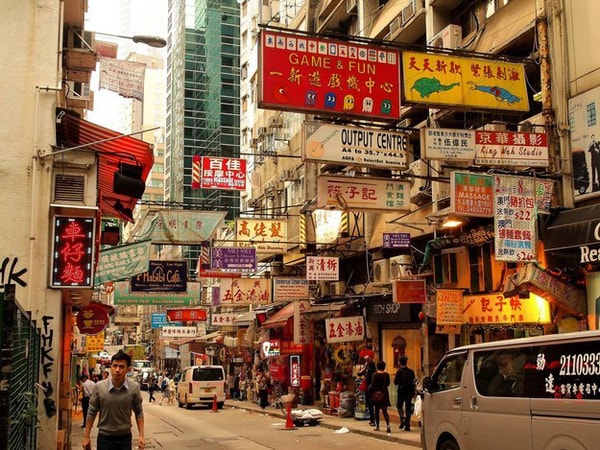 |
| In Hong Kong, there are a lot of signs. Each shop will have to put up as many signs as possible, sometimes even layering them on top of each other. |
7. Double-decker bus
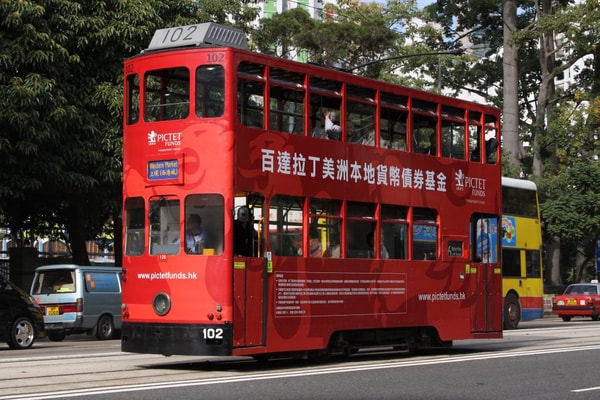 |
| London's double-decker buses are nothing compared to Hong Kong's bizarre double-decker trams; these ridiculously thin, towering vehicles always give the impression they could tip over at any moment. Interestingly, no two double-decker trams in Hong Kong are alike. |
8. Feng Shui has a significant influence on architecture, commerce, and life.
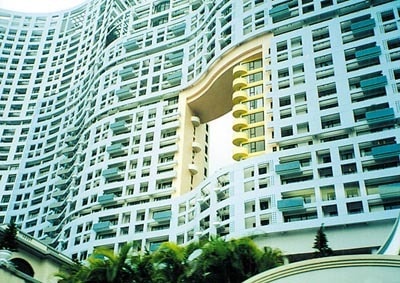 |
| Feng shui plays a very important role in the architecture, commerce, and lives of Hong Kong residents: to the point that the government has to compensate residents living around apartment building projects for disrupting their feng shui. Even the mass media in Hong Kong actively promotes feng shui by inviting experts in physiognomy to talk about destiny, appearance, and astrological signs. Therefore, Hong Kong residents are extremely fond of and believe in feng shui. |
9. Peak Tram is the world's first cable-stayed tram line.
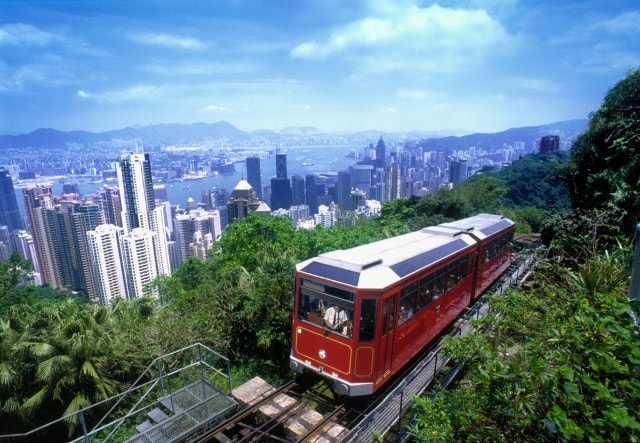 |
| The Peak Tram was Asia's first cable car, operating since 1888, and remains one of the oldest and steepest rail systems in the world. Approximately 11,000 people use the system daily. |
10.鴛鴦花 (Yuanyang Milk Tea) and Dimsum are iconic Hong Kong cuisine.
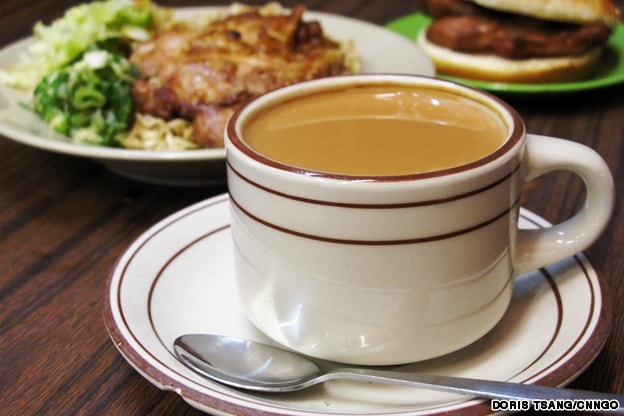 |
| Drinking tea is an indispensable part of life for Hong Kong residents, and the most popular type of tea is milk tea, with many different variations. Dim sum is a breakfast dish, and for fans of Hong Kong TVB dramas, it's a very familiar sight. During family and friends gatherings, Hong Kong people often enjoy hot cups of milk tea and small, delicious pieces of dim sum. |
Peace
(Synthetic)
| RELATED NEWS |
|---|