
Early detection of kidney stones from colicky pain.
Renal colic occurs when a stone enters the ureter and obstructs the flow of urine, especially when the stone moves. It can be easily confused with many other types of pain; however, renal colic is usually acute and requires emergency treatment.
Renal colic occurs when a stone enters the ureter and obstructs the flow of urine, especially when the stone moves. It can be easily confused with many other types of pain; however, renal colic is usually acute and requires emergency treatment.
The pain is "easily mistaken for something else".
The underlying causes of renal colic can include urinary stones, blood clots in the ureter, or tumors compressing the ureter from the outside. These conditions cause acute obstruction of the urinary tract, leading to hydronephrosis and distension of the renal pelvis. Only sudden distension can trigger renal colic.
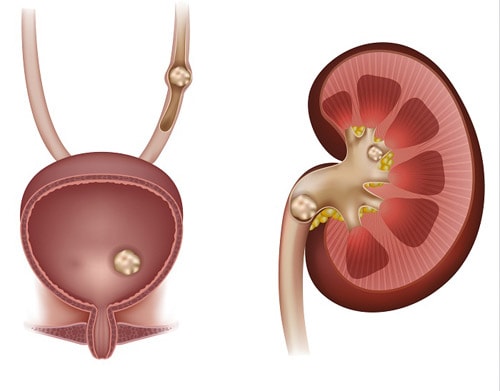 |
| The underlying cause of kidney colic may be urinary stones. (Illustrative image) |
Ureteral stones are the most common cause. These stones cause urinary retention, increasing pressure in the renal pelvis and calyces, damaging the ureter and leading to gross hematuria. To diagnose ureteral stones, a renal X-ray is needed to detect stones along the ureter. Ultrasound of the urinary tract showing dilated renal pelvis is an indirect sign of ureteral stones.
Renal pelvis hemorrhage, periureteral stricture, renal pelvis stones, ureteral tumors, bladder tumors causing stenosis of the ureteral orifice into the bladder… are also causes of renal colic.
However, renal colic is often mistaken for acute appendicitis. In some cases diagnosed as appendicitis, the pain persists after surgery, and X-rays reveal a ureteral stone in the lower third.
Renal colic can easily be confused with hepatic colic caused by gallstones or acute gastroduodenal pain.
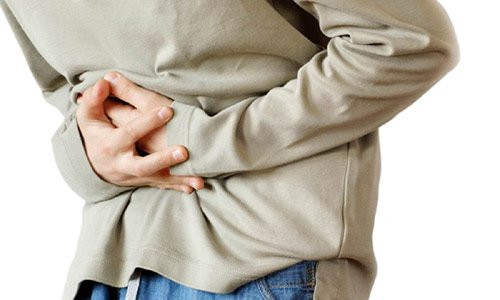 |
| Differential diagnosis of renal colic. (Illustrative image) |
Kidney stone prevention
To prevent kidney stones, urine and blood tests are necessary to determine the nature of the stones and risk factors for stone formation. Drinking plenty of water helps increase urine flow to limit stone formation. It is recommended to drink more than 2 liters of water per day.
If the kidney stones are calcium, the patient needs to eat a low-salt diet and avoid eating too much meat. They should eat a diet rich in calcium and may consider taking calcium supplements.
If the stones are urate, it is necessary to reduce the amount of uric acid in the blood by using medications that increase uric acid excretion, such as alkalinizing the urine or using drugs that reduce uric acid synthesis (allopurinol).
According to VNN
| RELATED NEWS |
|---|