
iOS 11 will 'kill off' the iPhone 5, 5c, and iPad 4.
Apple will stop supporting devices and software using the 32-bit platform starting with iOS 11, which will be released this fall.
Apple will stop supporting devices and software using the 32-bit platform starting with iOS 11, which will be released this fall.
This means that tens of millions of iPhones and iPads currently on the market may no longer receive security updates, upgrades, or new app installations in the near future.
In the recently released iOS 11 developer beta, Apple has removed 32-bit-enabled apps from the App Store. Users will no longer see them appearing in search results as they did in iOS 10 and earlier versions.
Apple began using 64-bit processors in its mobile devices in 2013 with the first model, the iPhone 5s. This is also the lowest-spec smartphone that will be eligible for the upcoming iOS 11 upgrade. Apple explained that the switch to a 64-bit platform, replacing 32-bit, helps applications and devices run faster and better.
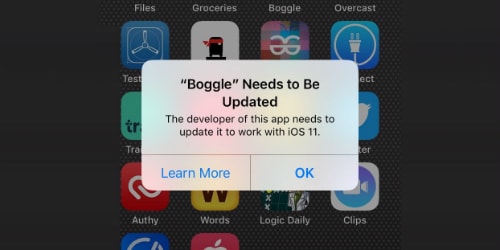 |
Before phasing out older 32-bit devices like the iPhone 5, iPhone 5c, and iPad 4, Apple spent a considerable amount of time preparing for this change for both users and developers. Starting with the iOS 10 update released late last year, the device announced potential slowdowns if users continued to install 32-bit applications. Following this, the company added a feature to detect "outdated" applications in the Settings menu.
According to the BBC, after iOS, Apple will also be transitioning its macOS operating system for personal computers from 32-bit to 64-bit. macOS High Sierra was the last version to support the 32-bit platform, and from June 2018, all applications on the Mac App Store will be required to support 64-bit.
According to VNE
| RELATED NEWS |
|---|