
How to preserve vitamin B1 in food
Vitamin B1 plays a crucial role in the metabolism of carbohydrates (glucose). It is also necessary for the synthesis of acids involved in genetic processes. A deficiency in vitamin B1 can occur due to a poor diet, low in animal products (meat, fish, eggs, etc.), or certain digestive abnormalities, potentially leading to beriberi. Therefore, it is essential to supplement daily with foods rich in vitamin B1.
Vitamin B1 plays a crucial role in the metabolism of carbohydrates (glucose). It is also necessary for the synthesis of acids involved in genetic processes. A deficiency in vitamin B1 can occur due to a poor diet, low in animal products (meat, fish, eggs, etc.), or certain digestive abnormalities, potentially leading to beriberi. Therefore, it is essential to supplement daily with foods rich in vitamin B1.
Whole grains are a rich source of vitamin B1. However, B vitamins in general, and vitamin B1 in particular, are found in the outer layer of the grain. Therefore, excessive milling of grains (rice, noodles) significantly reduces the amount of vitamin B1. 100g of milled white rice contains 0.12mg of vitamin B1; 100g of moderately milled white rice contains 0.1mg of vitamin B1; and if the rice is milled very finely to make it very white, it only contains 0.02mg of vitamin B1.
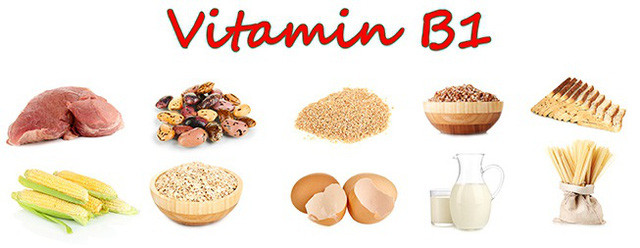 |
| It is necessary to include foods rich in vitamin B1 in daily meals. |
Furthermore, when preparing rice, avoid rinsing it too thoroughly as this removes the bran layer which is rich in vitamin B1. When cooking rice, only add enough water; don't add too much water that you have to drain, as this can lead to a loss of vitamin B1 (up to 60%). In rural and mountainous areas where rice is cooked over a wood fire, bring the water to a boil before adding the rice. Do not add rice when the water is still cold, because the sudden exposure to boiling water causes the outer layer of the rice grain to cook quickly, forming a sticky layer that prevents vitamin B1 from dissolving in the water and being broken down.
Meat, beans, fish, eggs, etc., are also rich in vitamin B1. Some freshwater and saltwater fish, and shellfish (shrimp, crab, mussels, clams, etc.) contain the enzyme thiaminase, which breaks down vitamin B1. However, this enzyme is not stable and is destroyed during cooking; it only exists and causes problems when consuming large quantities of raw shrimp or fish. According to research, 100g of pork contains 0.53mg of vitamin B1, 100g of beef contains 0.2mg of vitamin B1, 100g of chicken contains 0.15mg of vitamin B1; 100g of eel contains 0.15mg of vitamin B1; 100g of chicken egg yolk contains 0.32mg of vitamin B1, 100g of duck eggs contains 0.54mg of vitamin B1; and 100g of mung beans contains 0.72mg of vitamin B1.
Therefore, in mountainous and rural areas with difficult economic conditions, supplementing vitamin B1 through cereals and green vegetables is extremely important. To prevent vitamin B1 deficiency, it is necessary to pay attention to the following: excessive milling and processing of rice; proper storage of rice (avoiding dampness and mold); and the storage of fresh vegetables such as amaranth, lettuce, bean sprouts, garlic, etc., and legumes such as soybeans, mung beans, black beans, white beans, peanuts, sesame seeds, etc. Foods rich in vitamin B1 should be stored at room temperature and consumed immediately after harvesting or purchase due to their heat sensitivity. Furthermore, the vitamin B1 content will gradually decrease if stored in the refrigerator for too long.
According to Health & Life
| RELATED NEWS |
|---|