

How to eat instant noodles to minimize harm to your health.
Instant noodles primarily provide carbohydrates and plant-based protein. Eating them regularly can lead to nutritional imbalances and seriously affect your health.
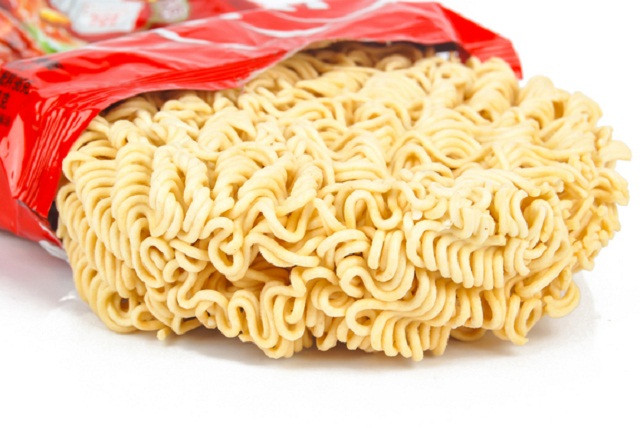 |
| Eating instant noodles regularly has many negative effects on health. |
Nowadays, with busy lives, many people choose instant noodles as a regular breakfast, and sometimes even as a main meal for the whole family. However, the main component of instant noodles is carbohydrates, while the human body needs six essential nutrients for good health: protein, fat, carbohydrates, minerals, vitamins, and water. A deficiency in any of these six nutrients can easily lead to fatigue, and prolonged deficiencies can cause serious illnesses.
Eating instant noodles frequently and in large quantities will not provide the body with sufficient nutrients, even premium varieties. Below are some of the harmful effects of instant noodles that can cause health problems:
Causes obesity
Many people habitually prepare noodles according to their preferences, and the accompanying foods can lead to an excessive intake of carbohydrates and fats, resulting in high fat and calorie levels, which in turn causes obesity and increases the risk of obesity-related diseases such as cardiovascular disease, diabetes, and high cholesterol. The most noticeable initial symptoms include dizziness, fatigue, and rapid heartbeat.
Accelerated aging process
The fat in regular instant noodles usually contains added antioxidants, but these only slow down the oxidation rate, prolonging the time before the noodles spoil. Prolonged consumption of excessive antioxidants can negatively impact the endocrine system and accelerate aging.
A burden on the stomach and digestive system.
Instant noodles are a type of food that is dried after being fried in oil. They contain a lot of flavorings and additives, and eating them frequently can not only diminish your sense of taste but also put pressure on your stomach during digestion. Regular consumption of instant noodles can lead to stomach dysfunction, causing symptoms such as bloating and stomach pain. Children who frequently eat instant noodles are especially prone to developing anorexia.
Causes cancer
Numerous studies have assessed the toxicity of instant noodles, with additives such as food coloring, salt, saturated fats, etc. Long-term consumption of instant noodles can easily cause constipation, with stool remaining in the colon for extended periods, which is also a factor leading to cancer, most notably colorectal cancer.
Causes diabetes and cardiovascular disease.
Regular consumption of instant noodles increases your risk of cardiovascular diseases such as high blood pressure, atherosclerosis, and stroke. This is due to the fat content in most instant noodles. These fats, including trans fats and saturated fats, are extremely harmful to health, especially for the elderly or those with a history of cardiovascular disease.
Kidney damage, causing kidney stones.
One ingredient present in every packet of instant noodles that not everyone easily recognizes is salt. Instant noodles are often seasoned with a lot of salt, and with such high salt content, you are unknowingly harming your kidneys when you eat them; in fact, frequent consumption can even cause kidney stones.
In addition, instant noodles are also full of phosphate, a substance that enhances the flavor of food. While it makes you feel good, this substance can lead to osteoporosis, bone loss, and weakening teeth if consumed frequently.
Eating noodles the right way
- Absolutely do not eat instant noodles; instead, boil the noodles, discard the first batch of water, and cook them again with the second batch of water and other ingredients.
- You should throw away the seasoning packet, as it contains a lot of oil and fat, and consuming it can easily lead to obesity and cardiovascular problems.
- Add more green vegetables to minimize excess fat intake.
- Each bowl of noodles should be supplemented with 25-30 grams of protein such as beef, pork, or shrimp...
According to Science and Technology
| RELATED NEWS |
|---|