(Baonghean.vn) - Due to climate change and erratic weather patterns, many Asian countries such as China, Bangladesh, India, and Vietnam have suffered from severe floods recently.
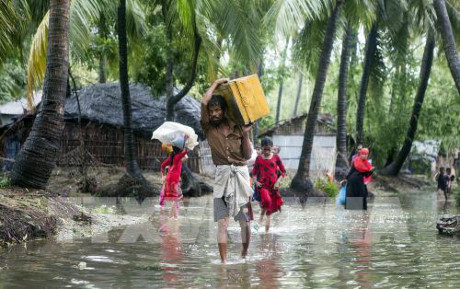 |
| Cyclone Mora made landfall in Bangladesh on the morning of May 30, 2017, with winds reaching 135 km/hour. The storm destroyed thousands of homes and forced the evacuation of more than 500,000 people in coastal villages. In the photo: Bangladeshi residents evacuate to avoid Cyclone Mora in Cox's Bazar district, Chittagong province, on May 30. Photo: EPA/VNA. |
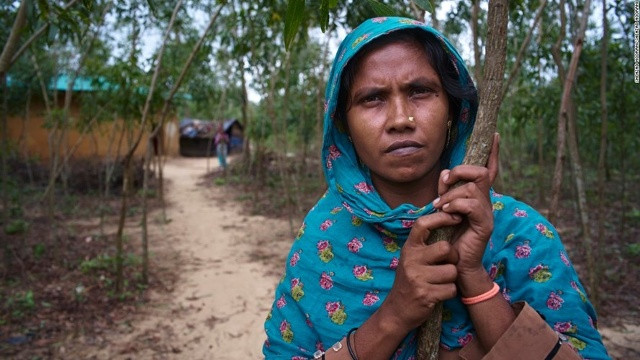 |
| Khorsheeda Khatun, 28, and her two daughters were forced to leave their home and evacuate to the Kutupalang Makeshift settlement in Bangladesh due to Cyclone Mora. Khorsheeda's house was severely damaged by Cyclone Mora. Photo: CNN. |
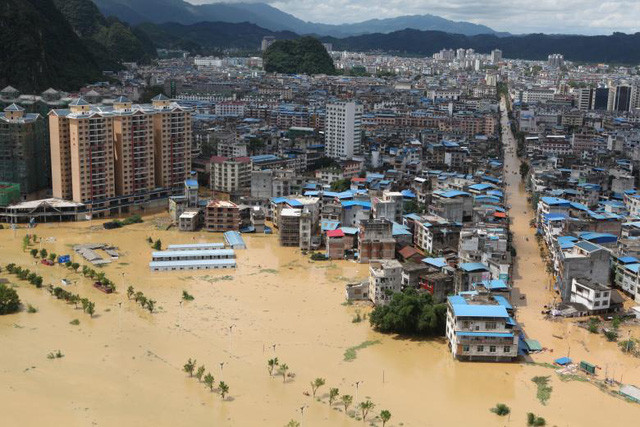 |
| On July 3, 2017, heavy rains caused floods that submerged cities in central and southern China, including Hunan, Hubei, Anhui, Sichuan, and Guizhou. Authorities confirmed 33 deaths and 15 missing. The photo shows flooding in Liuzhou, Guangxi province. (Photo: Reuters) |
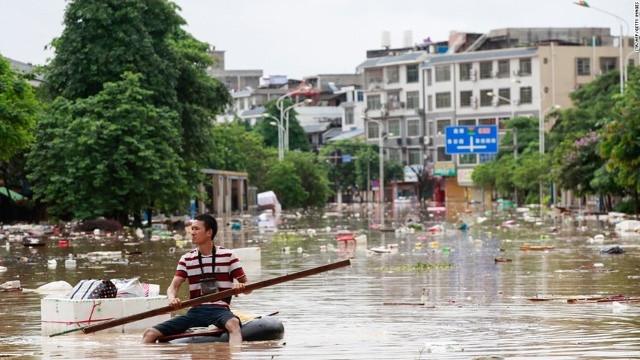 |
| Increasingly extreme weather, caused by climate change, is leaving hundreds of millions of people in South Asia vulnerable to dangerous natural disasters. The image shows flooding in Liuzhou, Guangxi in July 2017. (Photo: CNN) |
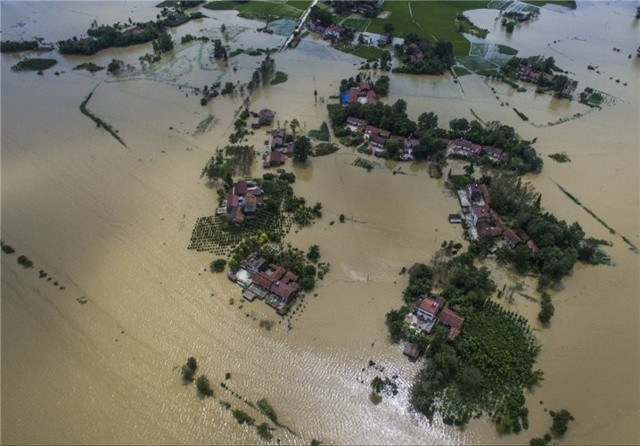 |
| Experts believe that installing early warning systems is perhaps the best investment a country and a city can make to avoid unnecessary losses from flooding. [Image caption: Houses submerged in floodwaters in China. Photo: Tasnim.] |
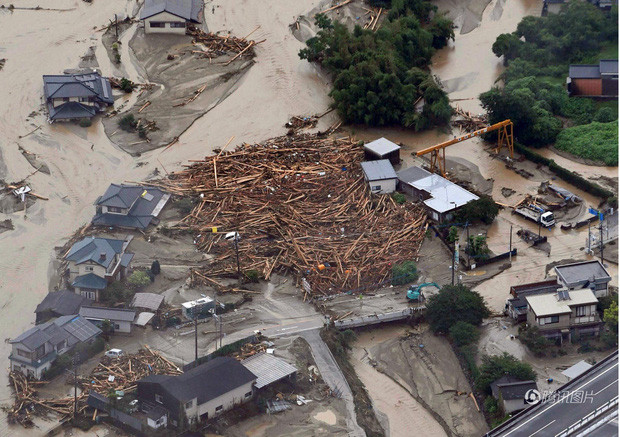 |
| Heavy rains in early July 2017 caused river levels to rise, resulting in flooding and landslides. Several homes in Kyodo, Japan, were swept away by the floodwaters, dozens of people were trapped in the flooded areas, and more than 430,000 people in the affected region were ordered to evacuate and seek shelter. |
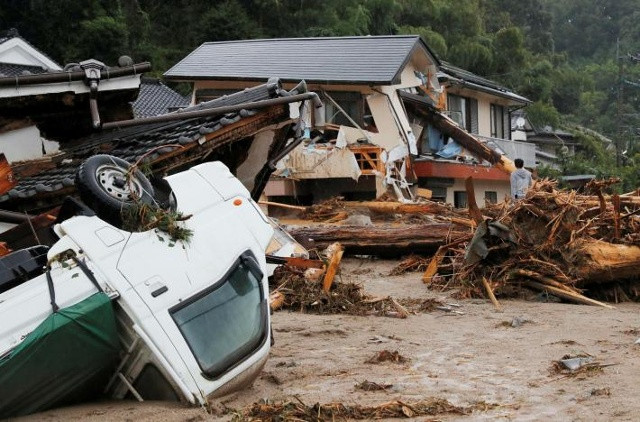 |
| At least 10 people are missing and 400,000 others have been forced to evacuate after record-breaking rains hit southwestern Japan, causing rivers to overflow. (Image caption: Flooding devastates the Asakura area in Fukuoka Prefecture. Photo: Internet) |
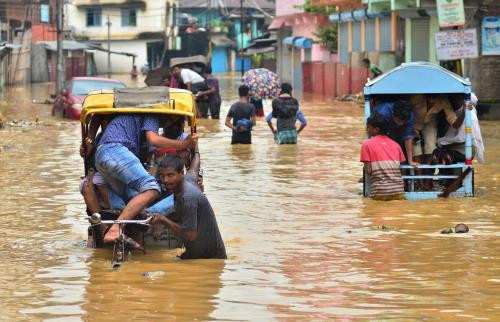 |
| In July 2017, heavy monsoon rains caused severe flooding in several states in northeastern India. In Assam, 52 people have died and more than 1.75 million have been affected by the floods. 26 out of the state's 33 districts remain submerged. Last week, heavy rains in Gujarat caused flooding, killing 7 people and leaving 3 missing. |
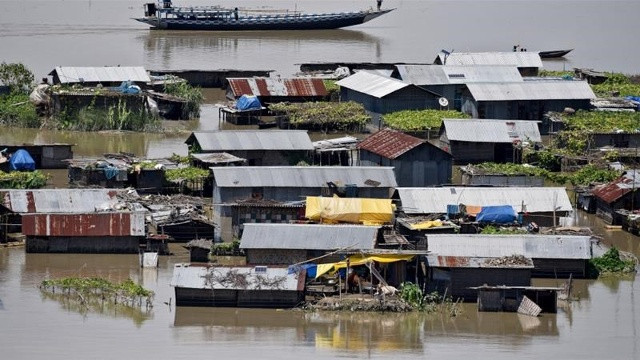 |
| Flooding is concentrated in three major Himalayan rivers in South and East Asia: the Ganges, Brahmaputra, and Yangtze. Approximately 500 million people, equivalent to 50% of the population in India and Bangladesh, and about 300 million people, representing about 25% of China's population, live in the river basins of these three rivers. Flooding in India has submerged thousands of homes. Photo: Reuters. |
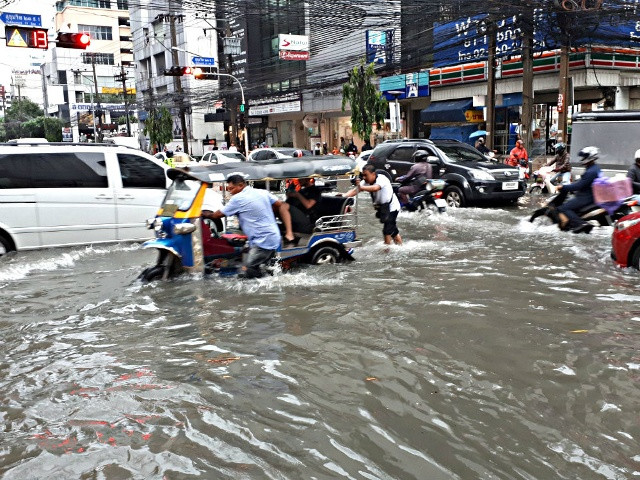 |
| At noon on May 27, 2017, a heavy rainstorm hit Bangkok, causing widespread flooding in many areas of the city, as the drainage system was unable to cope with the torrential downpour. (Image: Internet) |
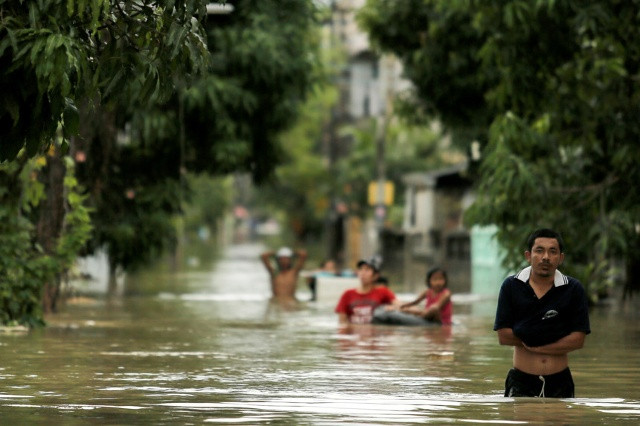 |
| The rainy season in Thailand typically runs from June to November. The flooding occurring in early January is considered an unusual weather phenomenon. Thailand is facing significant difficulties due to unseasonal floods in the southern region. The floods in January 2017 claimed 40 lives. The image shows flooding in Thailand earlier this year. Photo: Reuters. |
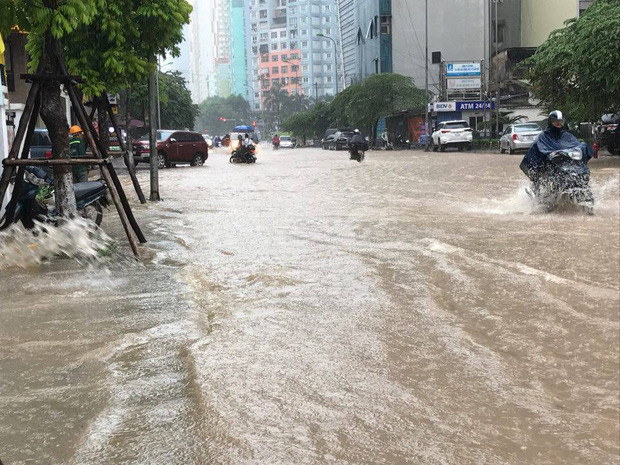 |
| On the morning of July 17, 2017, due to the impact of Typhoon No. 2, heavy rain poured down on Hanoi, causing many roads and streets to be deeply flooded. The weather made it difficult for people to travel, and in some places, workers had to take advantage of the flooded roads to carry out their daily activities. |
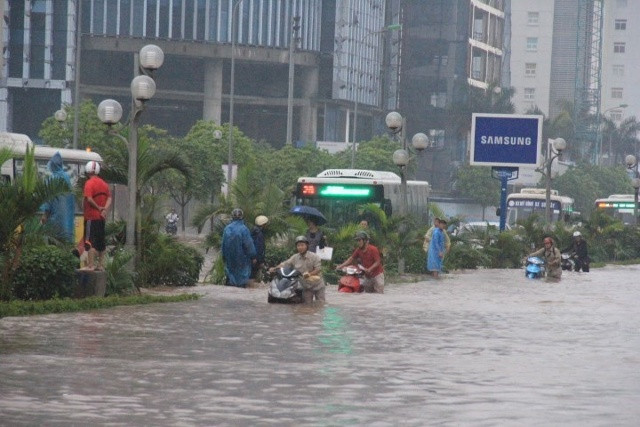 |
| Heavy rains cause unusually high water levels in a single day or hour, increasing the likelihood of flooding. Of course, heavy rainfall alone doesn't cause flooding; it mainly depends on the topography and infrastructure of the city. (Image caption: Flooding on Duong Dinh Nghe Street, Hanoi. Source: Kien Thuc.) |
Kim Ngoc
(Synthetic)
