

How to use electrical appliances safely during the rainy and stormy season.
(Baonghean.vn) - During the rainy season, household electrical appliances can leak due to dampness from walls or rainwater, leading to various hazards. Below are some precautions to ensure safety when using electrical appliances.
Check your home's electrical system before it rains.
To avoid electrical leaks and short circuits caused by damp walls or flooding due to rainstorms, you should check your household electrical wiring if it has been in use for many years. It is advisable to install separate circuit breakers or power switches for each floor for better control of the power supply.
Disconnect power to unnecessary devices.
When there are signs of unusual storms, check all electrical appliances in the house and immediately disconnect any unused power sources. Computers, phones that are charging, televisions, electric kettles, etc., are all devices that are very susceptible to electrical interference and have a high risk of damage, or even fire, during a rainstorm. The power supply to outdoor electrical equipment (signs, billboards, etc.) should also be disconnected during heavy rain and strong winds. In addition, before leaving the house, you should turn off electrical appliances that are not frequently used to ensure safety.
Pay attention to underground electrical wiring in your house.
Currently, most households use underground electrical wiring. However, during prolonged periods of rain and flooding, walls easily absorb moisture, leading to seepage into the electrical wiring, especially older wiring, resulting in leaks and short circuits.
In addition, electrical connectors also pose a hazard as they are susceptible to water damage, and we cannot control the moisture levels.
To avoid this problem, it is best to ensure that when designing underground electrical wiring, both the wires and electrical outlets are located at a high elevation, avoiding low positions where they could be flooded or become damp during heavy rain.
If the household electrical system has been in use for many years, during severe and prolonged flooding, users should switch off all circuit breakers to avoid danger.
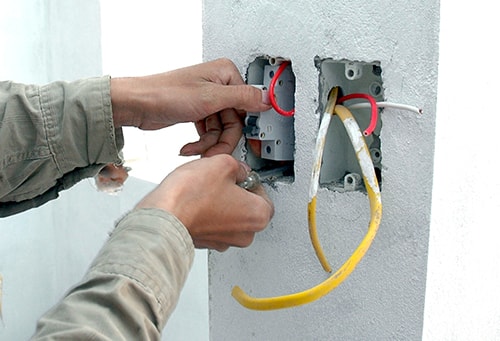
After rain and flooding, check electrical connections and sockets to see if water and moisture have affected them. If so, dry them thoroughly before switching on the circuit breaker to use electricity.
 |
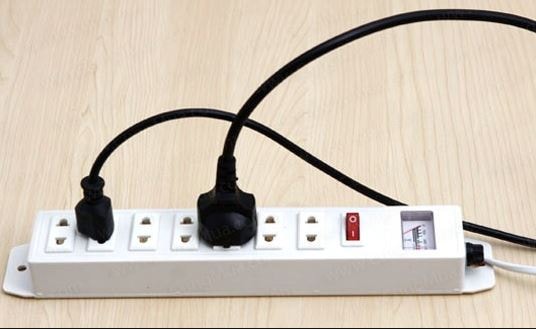
Do not use electrical outlets located low down.
This is another lurking danger during the rainy and stormy season, especially if your family lives in a flood-prone area.
At this time, it is best not to use and to cover these low-lying electrical outlets. If you need to use them, use outlets in higher or drier locations. Note that electrical wires should also be placed in a high position to avoid electrical leakage and potential hazards when exposed to water.
 |
Install electrical equipment in a high and dry location.
It is necessary to position electrical wiring, power outlets, and electrical appliances in the house above flood level to avoid dampness, and install appropriate residual current circuit breakers (ELCBs). In case electrical equipment gets damp or waterlogged, immediately disconnect the power and dry the equipment.
Grounding for household electrical appliances
Many large or inconveniently movable household appliances are difficult to move to dry areas after flooding, such as washing machines, water heaters, dryers, and stoves. Therefore, after rain or dampness, users should carefully check these appliances before using them. Ideally, dry the power cords and sockets before use.
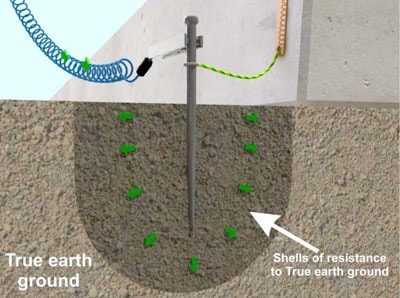
Additionally, users should also connect a separate ground wire for these appliances (washing machines, water heaters) to ensure safety during use.
 |
Use lightning protection devices.
Currently, the market offers many lightning rods and lightning protection devices. These are essential equipment that should be installed to ensure that your household electrical appliances are protected from damage.
* In addition, thunderstorms frequently occur during the rainy season. Therefore, the risk of endangering human lives and causing property damage due to lightning strikes is very high.
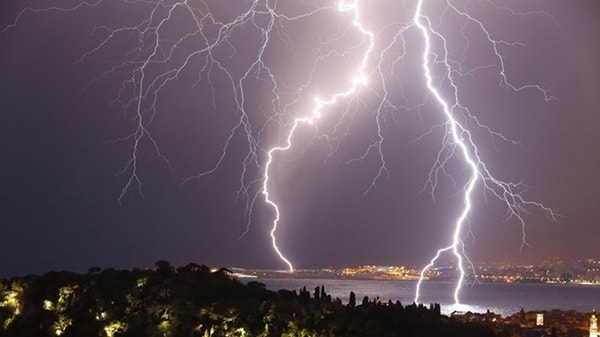 |
The extent of damage depends on the strength of the generated current and the proximity of the location to the lightning strike. In most cases, household appliances are damaged by lightning surges from power lines rather than direct lightning strikes, especially in urban areas.
Therefore, when there is a risk of lightning, the following lightning protection measures should be applied:
- For antennas and telephone lines:To minimize damage, it is necessary to quickly cut off the power supply when thunderstorms begin. Additionally, surge protectors can be installed on telephone lines.
- For household appliances such as televisions, washing machines, refrigerators, and air conditioners:Disconnect all power to household electrical appliances, and ensure all electrical equipment is properly grounded to prevent electrical discharge caused by electromagnetic induction from lightning.
- For computers and modems:You should unplug the power cord and internet signal cable from the modem, or you can purchase a surge protector for each network connection to your personal computer.
Ngoc Anh
(Synthetic)
| RELATED NEWS |
|---|