

10 money-saving tips for freshmen
(Baonghean.vn) -Balancing studying, living, and socializing with a tight budget is always a challenge for students living far from home.
For many young people, attending university far from home means having their own life. Therefore, they have to learn how to balance studying, living, and socializing with friends within a tight budget. Below are some ways to help students live more economically.
1. Borrow or request textbooks.
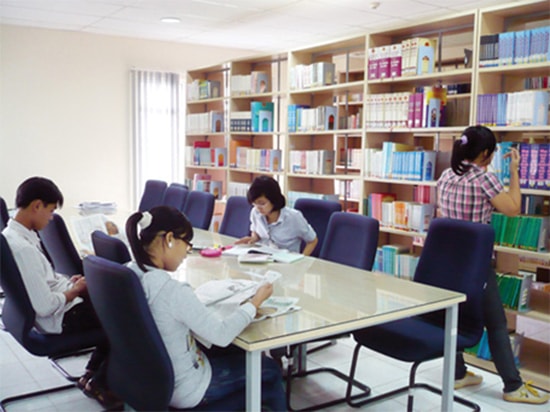
A unique aspect of university studies is that some courses are only taken for one semester and are never needed again. Therefore, take advantage of the library's resources. Most university libraries lend out textbooks and a wide variety of reference materials. Doing this can save you a significant amount of money each semester, especially at the beginning of the academic year.
Additionally, you can also ask senior students for study materials. Most seniors have books and materials they've kept, so you can utilize this resource to save money and learn effective study methods from those who came before you.
 |
2. Make a shopping list.
Before shopping, you should make a list of what you need to buy. Set a rule for yourself: don't buy anything outside of that list. This will help you save money to a minimum.
3. Only buy things you really need.
Absolutely do not buy things you don't need or won't use often. If you hesitate before buying something, put it down and think carefully about whether you really need it. If your shoes are new, don't go to the shoe store; don't buy a dress you'll only wear once... money will gradually disappear from your pocket if you spend it on things that aren't worthwhile.
 |
4. Don't get too caught up in discounted items.
Sometimes you buy something just because it's on sale. Whether it's cheap or not, you shouldn't spend money on something if you know you'll never use it.
5. Don't be afraid to bargain.
If you're hesitant to haggle, you've already lost a significant amount of money. Haggle to save even more.
6. Cook your own meals.
Cooking your own meals can cut your food expenses in half. You can buy a cookbook and practice making various dishes to suit your taste. Cooking your own meals is not only cheaper but also healthier.
7. Learn how to repair things.
When household items like computers, faucets, light bulbs, etc., break down, don't rush to call a repairman or throw them away and buy new ones. Instead, try to see if you can fix them yourself.
Most repairs aren't as difficult as you might think; with a little research, you can save yourself some money.
8. Don't chase after technology.
If you already have a smartphone, laptop, camera, etc., make the most of it and don't replace them unless they're broken. Remember, you can never afford to keep up with technology.
9. Perseverance
Stick to your savings plan. Don't save for a long time only to squander your savings. It's not a wise choice to spend three years gathering firewood only to burn it in an hour.
 |
10. Find a part-time job.
Taking advantage of your free time to do a side job will not only help you earn extra income but also reduce the time you spend spending money.
Ngoc Anh
(Synthetic)
| RELATED NEWS |
|---|