

3 common digestive disorders during Tet (Lunar New Year)
Bloating, abdominal distension; constipation; food poisoning, and acute diarrhea are three common digestive disorders that many people experience during the Lunar New Year holiday.
Bloating, abdominal distension
This is the most common ailment during Tet (Lunar New Year), mainly due to a diet high in protein and fat, and the habit of drinking a lot of carbonated drinks. These cause the bacteria in the gut that break down food to produce more gas than waste, leading to bloating, stomach rumbling, and flatulence.
To avoid this, you should eat slowly and chew thoroughly, and avoid talking while eating to minimize inhaled air. Limit your consumption of beer, wine, and sugary drinks. You can drink less than 200ml of red wine to stimulate digestion.
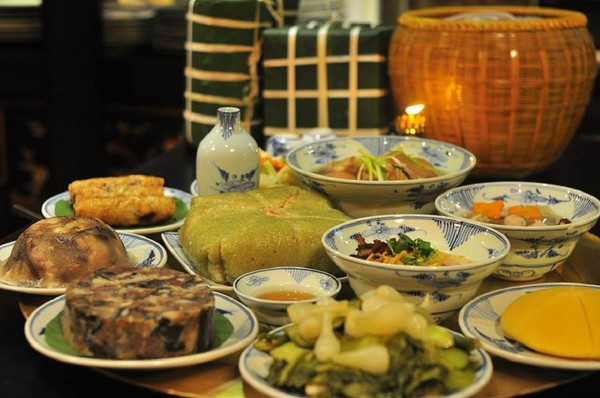 |
| Tet feasts are high in protein and fat, but low in fiber, which can easily lead to digestive problems. |
Constipation
Constipation has symptoms quite similar to bloating, but causes more discomfort and restlessness. Each bowel movement is often painful, and the anus may crack and bleed. The main causes of constipation are primarily a diet lacking in fiber, high in sweets and sugary drinks, and irregular eating habits, as well as a lack of exercise, which is common among many young people.
Many people with constipation find it uncomfortable and choose laxatives as a quick fix. These medications should not be overused, as they affect the growth of beneficial bacteria in the gut. Instead, they should drink plenty of water (1.5-2 liters per day), eat more vegetables (25-30g of fiber per day), and increase physical activity.
Food poisoning, acute diarrhea
Food poisoning causes many people to suffer from symptoms such as vomiting and diarrhea. In mild cases, patients only experience nausea and abdominal pain. Severe cases involve vomiting accompanied by acute diarrhea, high fever, and dehydration, posing a life-threatening risk. Those suffering from food poisoning often experience both physical and mental fatigue.
The main causes are food allergies, unhygienic eating habits, contaminated environments, and the reuse of spoiled food, allowing parasites, bacteria, viruses, and toxins to enter the digestive tract. The best way to prevent this is to eat cooked food, drink boiled water, maintain good food hygiene, and avoid letting food spoil.
When diarrhea occurs, rehydration with electrolyte solutions or salted rice porridge is recommended to prevent excessive dehydration, which can lead to fatigue and weakness.
During Tet (Vietnamese New Year), you may also experience other digestive disorders such as heartburn, gastritis, stomach ulcers, and abdominal pain, which can detract from the enjoyment of Tet meals and dampen your festive mood. It's best to prevent these by keeping some digestive disorder medications readily available at home. Herbal remedies are generally more gentle on the digestive system than Western medicine.
According to VNE
| RELATED NEWS |
|---|