Leg cramps usually occur in the back of the lower calf and mostly happen while you are sleeping or when you first wake up.
 |
| Muscle cramps are sudden, painful contractions of a muscle, rendering it impossible to continue moving. While any muscle can cramp, they most commonly occur in the calves, thighs, hands, feet, and abdominal muscles. Cramps can be dangerous if you are swimming, sitting near a fire, or driving. |
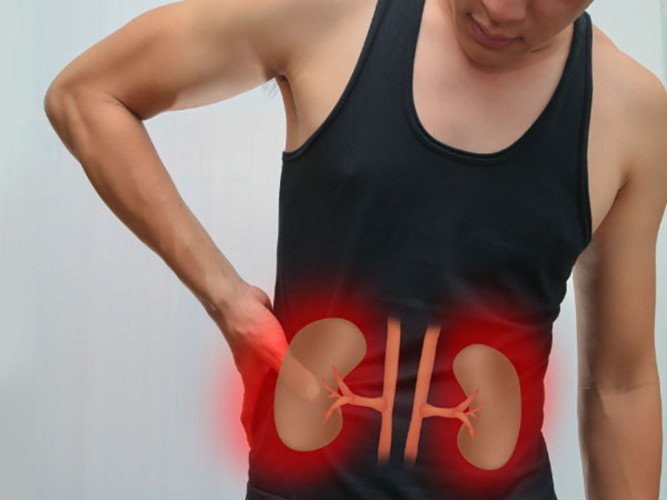 |
| Kidney disorders:When a person has kidney dysfunction, phosphorus can build up in the body, leading to low calcium levels. Low calcium levels are often a major cause of muscle cramps. Additionally, some medications for kidney disease cause calcium to be flushed out of the body, leading to cramps. |
 |
| Electrolyte imbalance:One major cause of muscle cramps is dehydration. Sweating during exercise depletes the body of fluids, leading to the loss of certain minerals such as potassium, sodium chloride, and magnesium. This results in electrolyte imbalance and dehydration, ultimately causing muscle cramps. |
 |
| Overtraining:Performing strenuous exercises continuously over a period of time can lead to overuse of muscles. Athletes often experience sudden muscle cramps during training, because during running, the leg muscles are overworked, causing them to contract abruptly. |
 |
| Excessive physical activity can also cause lactic acid to accumulate in the muscles, leading to a disruption in signal transmission between nerves and muscles. Therefore, even though the brain wants the muscles to relax after movement, they continue to contract, causing pain. |
 |
| Side effects of the medication:Medications used for patients with kidney disease can cause fluid loss in the body, leading to muscle cramps. Medications for high blood pressure and asthma also cause muscle cramps because they reduce the body's levels of potassium, calcium, and magnesium, leading to electrolyte imbalances. |
 |
| Hormonal imbalance:Women going through menopause may experience frequent muscle cramps due to low estrogen levels in their bodies at that time. Low estrogen levels lead to muscle fatigue and cramps. |
According to VOV

