

The horrifying truth that causes the deaths of astronauts.
A recent study has uncovered a worrying fact: astronauts have a higher risk of developing cardiovascular disease after prolonged exposure to radiation.
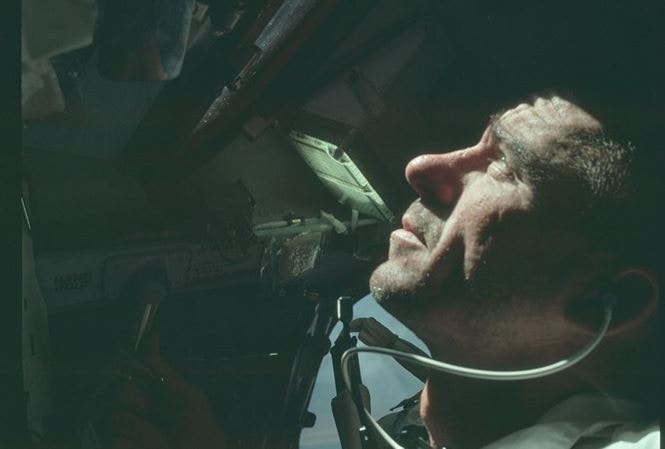 |
| Energy rays in space and energetic particles ejected from solar storms are the causes of radiation. |
Scientists are preparing to send humans into space on longer and deeper missions. Mars is a target for both private companies and state space agencies. And those pioneers undertaking such expeditions will expose their bodies to dangerous radiation conditions in space.
A recent study has uncovered a worrying fact: astronauts have a higher risk of developing cardiovascular disease after prolonged exposure to radiation.
The first study to investigate the deaths of astronauts aboard the Apollo missions—the most far-reaching manned spacecraft ever to venture into space, including the moon landing—showed that nearly half of them died from cardiovascular diseases.
The research team, whose study was published in the scientific journal Nature in mid-2016, evaluated the health records of seven astronauts (out of a total of 24) who had participated in the Apollo missions and subsequently passed away.
The research team compared deceased individuals with astronauts who had only flown in low Earth orbit and those who had recently completed their training but had not yet left Earth. The results showed that those who had flown deep into space had a 43% higher risk than the other groups.
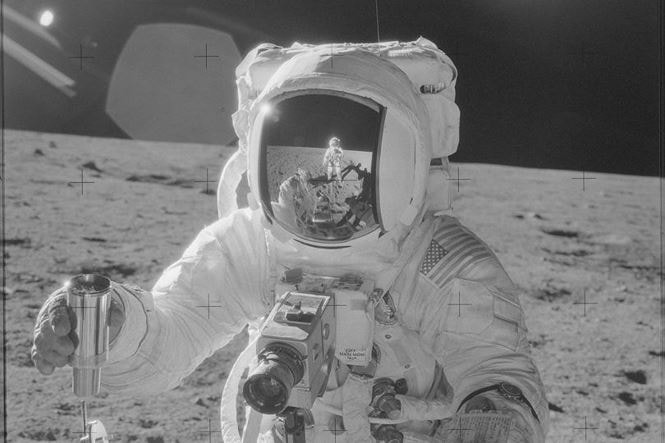
The cause is believed to be cosmic radiation. Energy rays in space and energetic particles ejected from solar storms are the cause of this radiation.
High-energy forms of rockets pose a challenge to future long-term missions. The US space agency NASA calls this a "significant threat."
In 2013, NASA's Lunar Reconnaissance Orbiter spacecraft measured radiation levels on the Moon and discovered that even low levels of radiation can cause significant harm when inhaled into the body.
To test the radiation theory, scientists conducted experiments on 44 mice to see the long-term effects of weightlessness and radiation simulating conditions in space on the cardiovascular system. The experiment lasted 6 months, with the mice's weight and body size equivalent to that of a human spending 20 years in space.
The results showed that comparable radiation conditions in space caused vascular endothelial cell dysfunction.
Furthermore, many studies have shown that it can cause astronauts to suffer hearing and vision damage, kidney stones, lung dust, immune system disorders, and many other problems.