

Causes of gas cylinder explosions
(Baonghean.vn) - A large explosion recently occurred at a hotpot and grill restaurant on Tran Phu Street, Vinh City, possibly caused by an industrial gas cylinder used in the restaurant. Some seemingly minor incidents can have very serious consequences. Below are the main causes of gas cylinder explosions today.
1.WireplaceThe gas cylinder and stove are leaking.
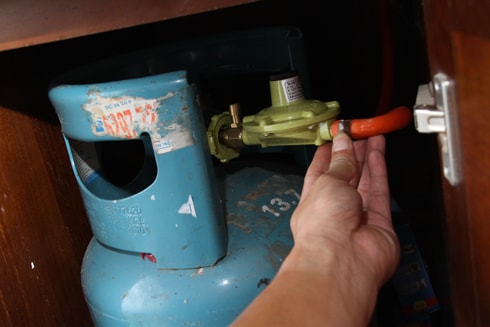 |
| After prolonged use, or if using low-quality hoses, the connecting hose between the gas cylinder and the gas stove may crack, break, or become damaged, causing gas leaks. This is considered the most common cause of gas explosions. |
2.Not turning off the stove properly.
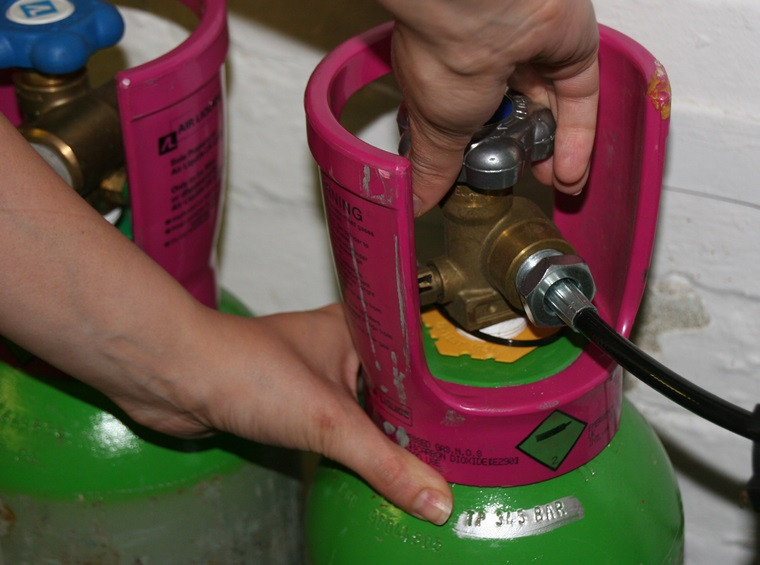 |
| Due to usage habits, many people, after using the stove, only turn off the gas valve and do not close it properly, or close it incorrectly, leading to gas remaining in the pipes. In some cases, people only close the valve but skip turning off the stove; if not properly closed, this can lead to gas leaks and cause fires or explosions. |
3.Installing a gas stove in an unsuitable location.
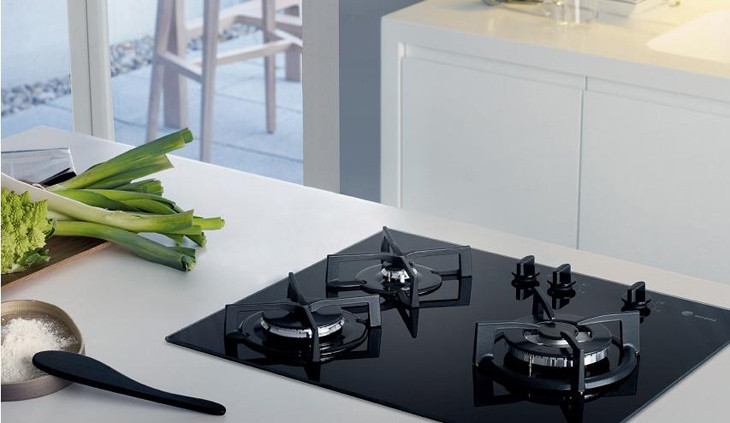 |
| Some users arbitrarily choose the location for their gas stove for convenience. This can sometimes create hidden dangers if the installation location is unsuitable, such as the risk of fire or explosion if placed near flammable materials, or gas leaks that are difficult to detect... |
4. Leaving the gas cylinder in an overly enclosed space.
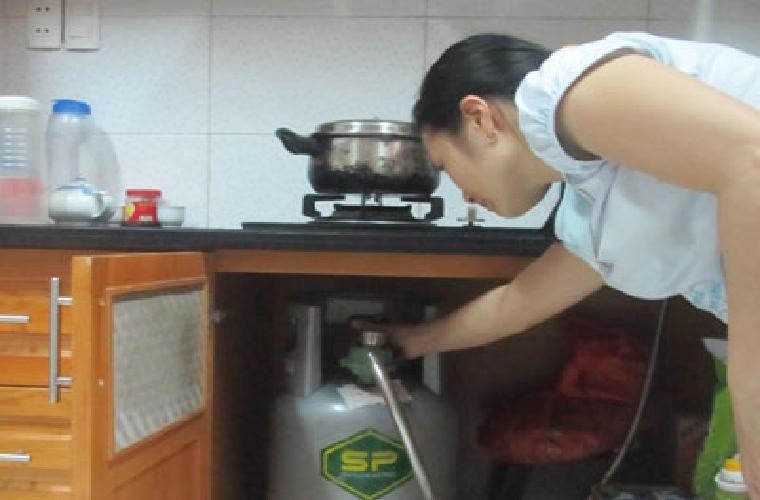 |
| If a gas cylinder is placed in a closed cabinet, gas will have difficulty escaping if there is a leak, making it difficult to detect and increasing the risk of fire and explosion when the stove is turned on. Both the stove and the gas cylinder need a well-ventilated location for use. The gas hose connecting the cylinder and the stove should also not be too long to avoid cracking or leaking gas midway. |
5. Avoid using the stove near electrical appliances or flammable materials.
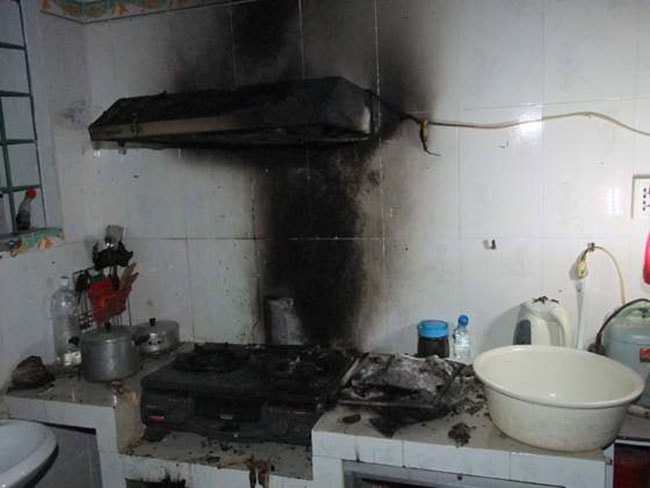 |
| Flammable materials such as fabric, paper, wood, and alcohol should be kept away from ignition sources like gas stoves (at least 15 cm) to prevent fires and explosions during use. And it's not just flammable materials; even electrical appliances like microwaves, ovens, and electric kettles are unsafe when used near gas stoves. They are not only susceptible to damage from the heat emitted by the gas stove but also risk short circuits and fires if gas leaks occur. |
6. Not cleaning the kitchen regularly.
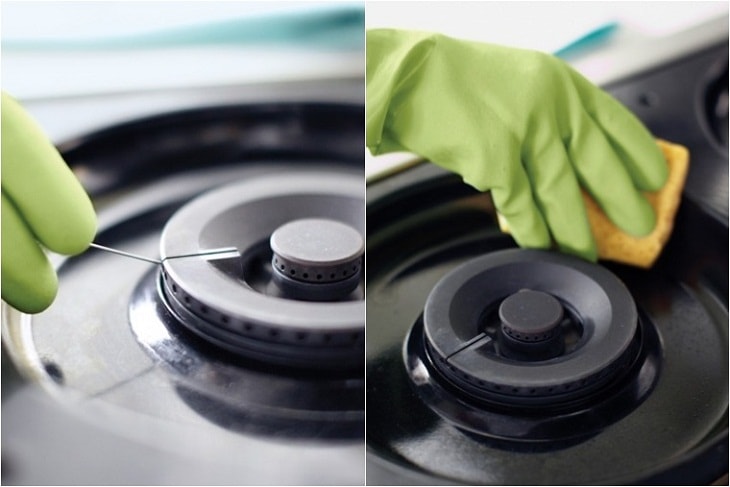 |
| Cleaning not only helps keep your gas stove looking new for longer, but it also contributes to its safety. Cleaning the stovetop, burner grates, and frame ensures they are free of dust and grease, minimizing rust and preventing gas leaks after prolonged use. |
7.Using an old, rusty gas stove.
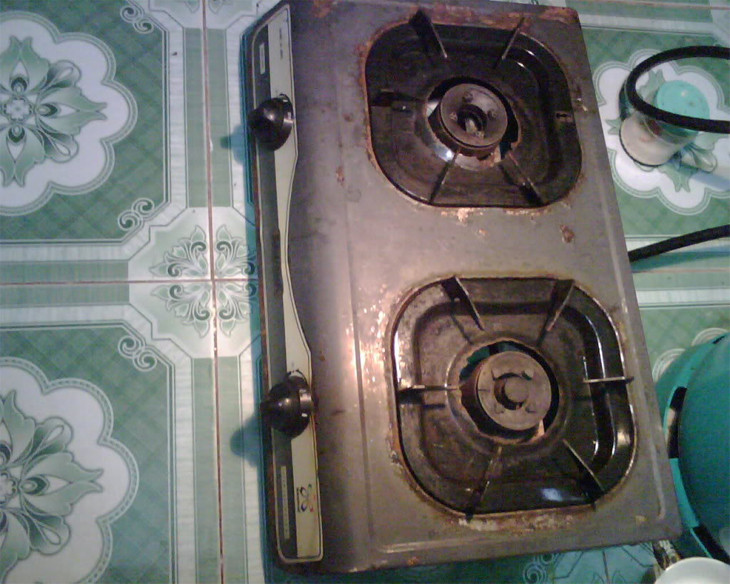 |
| Besides rust spots that easily cause gas leaks during use, some very old stoves require manual ignition to burn, significantly increasing the risk of gas escaping and causing fires/explosions. When your gas stove is too old, don't hesitate to invest in a new one. This not only ensures the safety of your family but also helps save gas by preventing leaks during use. |
8.Failure to conduct regular kitchen safety inspections.
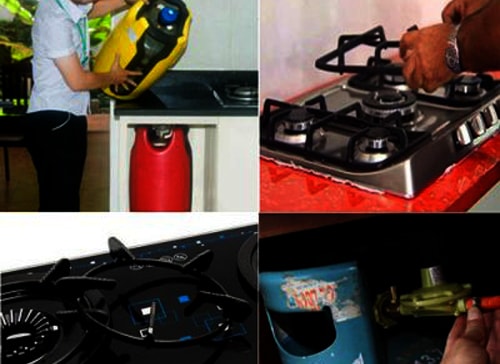 |
| Regular safety inspections help users detect unsafe areas, damaged stoves or pipes, so that corrective action or replacement can be taken to increase safety during use. Alternatively, purchasing genuine gas leak detection devices can further enhance safety. |