

Secrets to mixing soil for growing clean vegetables on the rooftop.
(Baonghean.vn) - Growing clean vegetables on rooftops is now commonplace for housewives. Caring for plants is not only a daily chore but also a hobby for rooftop farmers. However, not everyone knows how to mix soil, add nutrients, or improve the soil after each harvest... Below are simple steps to improve the soil.
1. What constitutes clean, nutrient-rich soil?
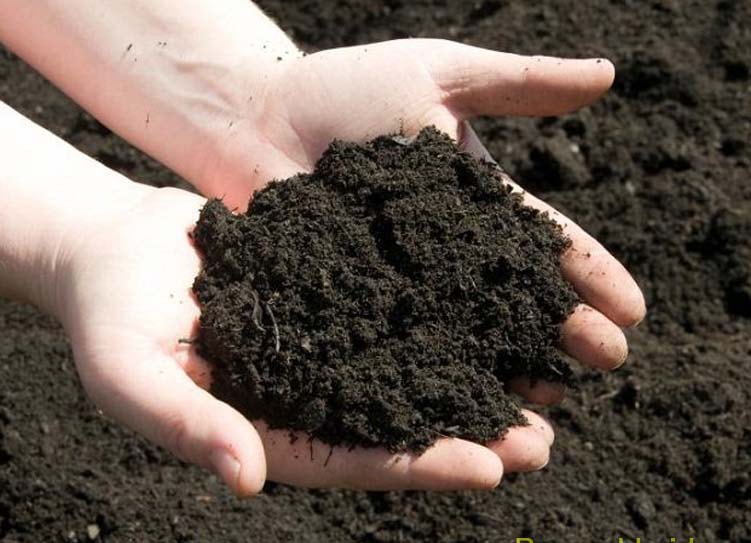 |
Clean soil is soil that does not contain heavy metals, pathogens, pests, chemical fertilizers, or pesticide residues.
Suitable soil for growing your own clean vegetables at home is soil that contains macro, micro, and trace elements, as well as organic matter that helps vegetable plants grow.
To identify clean, nutrient-rich soil, look for the presence of earthworms beneath the topsoil after cultivation; this indicates the soil is free of chemicals and suitable for growing organic vegetables.
2. How to mix soil for growing vegetables
This is a very important step, directly affecting the growth and development of the plants.
There are many types of soil suitable for growing vegetables on balconies and rooftops, such as sandy loam, clay soil, garden soil, or alluvial soil.
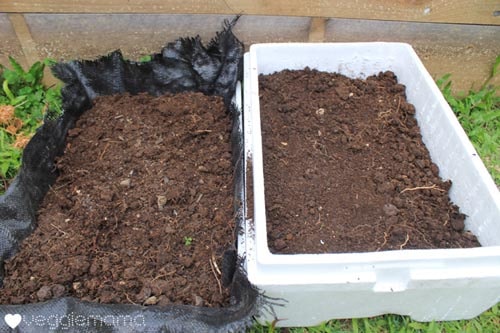 |
Preparation phase:Plastic trays, styrofoam containers:It's best to use plastic trays with a smart mesh layer for optimal drainage and to prevent waterlogging of vegetables.
- Land plots:Treated alluvial soil or potting mix free of pathogens; pre-packaged Tribat nutrient soil from stores can be used, with the addition of sawdust, coconut coir, or rice husk ash.
- Fertilizer:Organic fertilizers should be used to provide additional nutrients; green manure, well-rotted cow manure, vermicompost, and microbial fertilizers can be used.
- After preparing all the necessary tools, proceed with mixing the soil: Different types of plants require different mixing ratios; for leafy vegetables, mix in the ratio: 5 parts base soil + 3 parts porous growing medium + 2 parts fertilizer... For best results when planting in trays or pots, the soil depth should be 10-13 cm.
- NoteIf using soil taken from fields or construction sites, it needs to be dried, crushed into small pieces, and treated with lime powder before mixing to eliminate pathogens and weeds;
- After mixing, level the surface of the soil, then press it down gently, paying attention to pressing at the corners of the pot.
- 3. Methods for improving agricultural soil
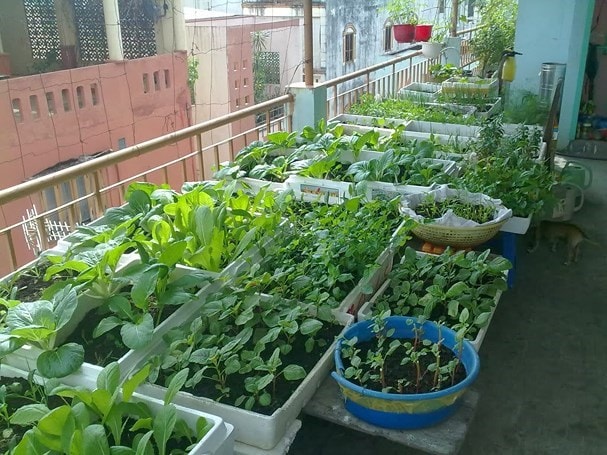 |
After planting, the soil's nutrient levels gradually decrease, causing it to become compacted, so it's necessary to replenish nutrients and improve soil aeration.Soil improvement offers many benefits, including: providing nutrients for faster plant growth; helping plants resist pests and diseases, increasing germination rates and yields; and ensuring product quality.
To improve soil for vegetable cultivation, one of the following three methods can be used:
ButUse organic fertilizers:DThe soil has become depleted, so use processed cow manure; this type of fertilizer helps to loosen the soil and enrich it with nutrients.Mix in the following ratio: 1 bag of cow manure (10dm³) + 1 bag of Tribat soil (10dm³) is enough for approximately 5 large vegetable pots, 8 small pots, or 5 styrofoam containers.
- Use microbial fertilizers:Microbial fertilizers do not cause soil heat, so they should be applied in the correct proportions to stimulate root development; this type of fertilizer is very safe for plants.Mixing ratio: 1 bag of 10dm3 microbial fertilizer + 1 bag of Tribat fertilizer is used for 9 large vegetable pots, 15 small pots, and 10 styrofoam containers.
- Use vermicompost:This type of fertilizer will break down any remaining organic matter from the planting and harvesting process; vermicompost is rich in nutrients, meaning that no other fertilizers need to be added when planting...Mixing ratio: 1 bag of 10kg vermicompost + 1 bag of Tribat soil is enough for 10-12 large plastic pots, 15 small pots, 10 styrofoam containers, etc.