

10 tips to extend the lifespan of your car.
(Baonghean.vn) - Improper car care can reduce the lifespan of your vehicle, and in reality, not all drivers do it correctly... Below are some small but very effective tips that can help increase the lifespan of your car.
1. Park properly.
 |
| Proper parking isn't easy, especially for new drivers. In fact, many drivers shift from D to R without completely bringing the car to a stop. Experienced drivers advise against this habit, as it can damage parts of the car and lead to costly repairs. The best approach is to come to a complete stop before parking and only shift gears afterward. |
2. Avoid sudden acceleration and braking.
 |
| Sudden acceleration and braking are very harmful to a car. This action can damage many different parts and systems in the vehicle. Specifically, the gearbox and engine are severely damaged, brake pads and discs are also at risk of premature failure, reducing braking effectiveness, and this can make the driver more prone to accidents. |
3. Don't neglect to observe the symbols on the dashboard.
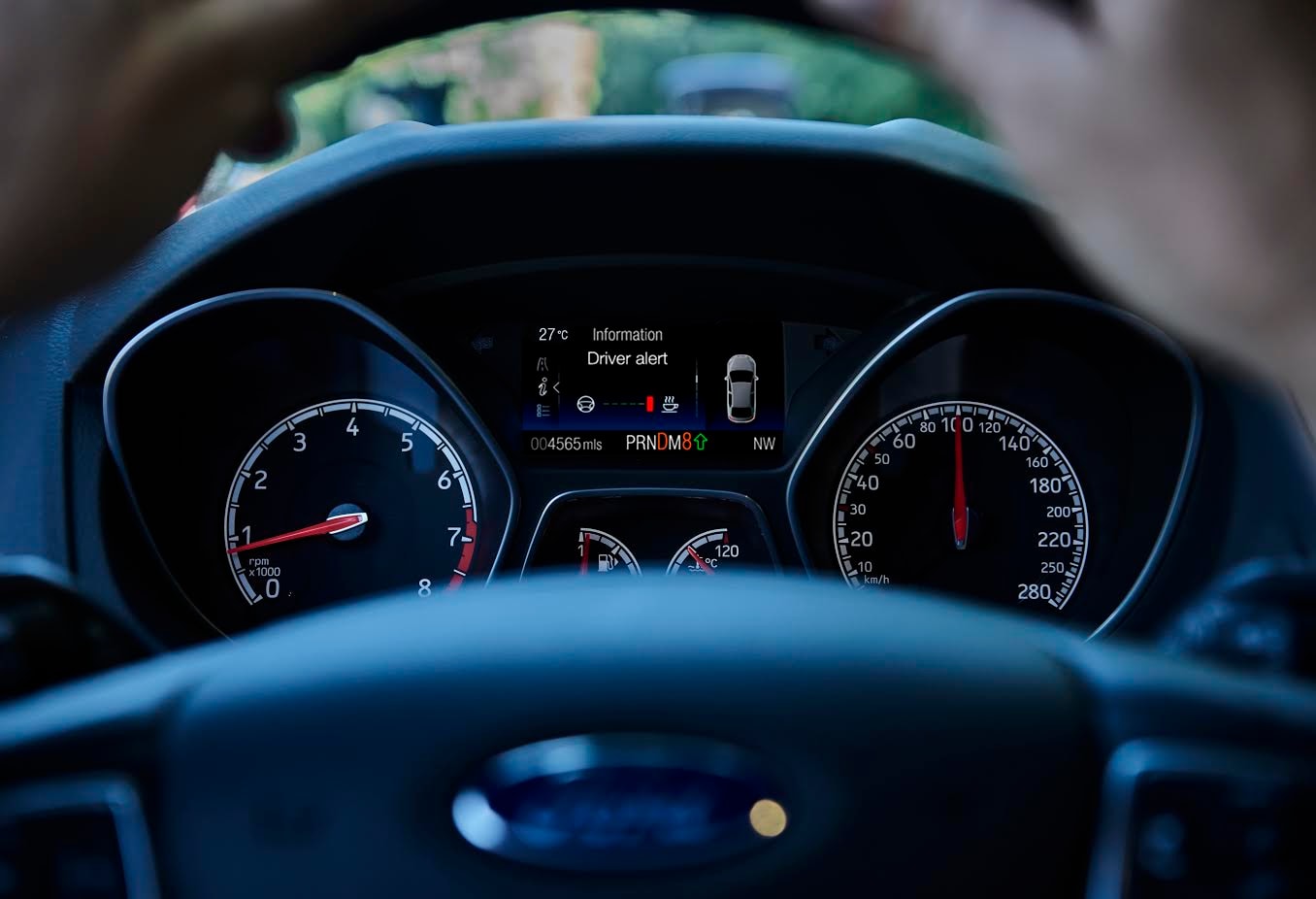 |
| Observing the symbols on your car's dashboard can warn you of problems that are occurring or about to occur. For example, if the engine temperature is too high, it means there's a problem with the electrical system or the brake fluid level is too low. When you notice this signal on the dashboard, you should go to an auto repair shop as soon as possible. This will help you avoid costly repairs or even an unexpected accident on the road. |
4. Avoid having tire pressure that is too low or too high.
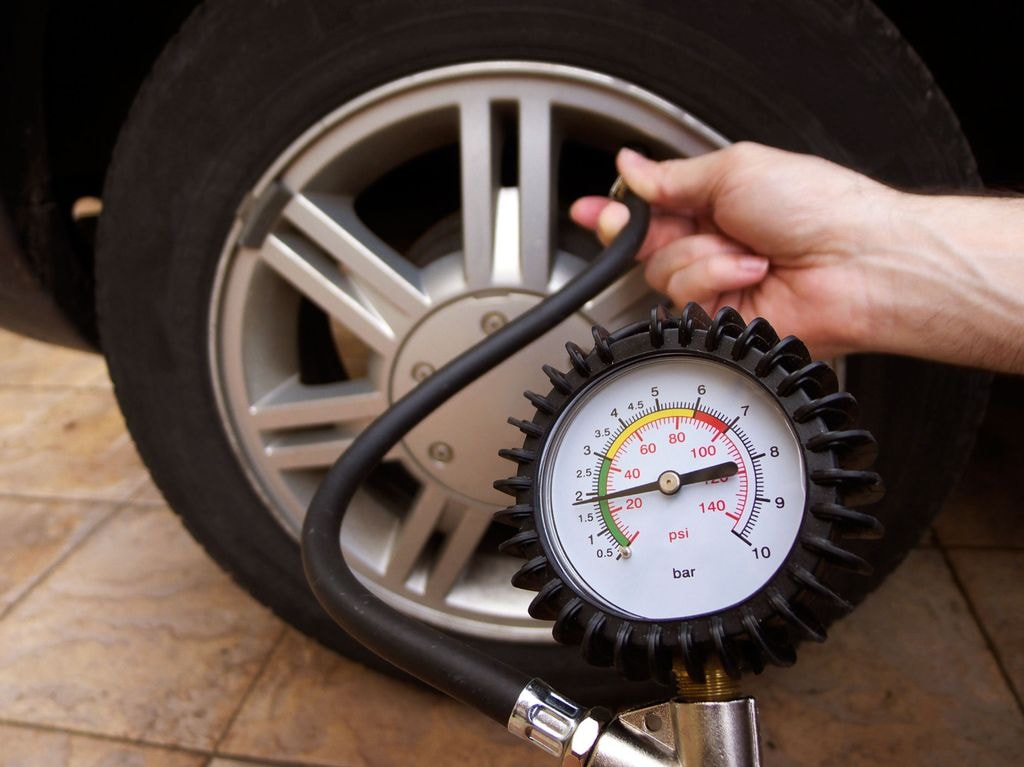 |
| This is something drivers must always pay attention to if they don't want to spend money on repairs or encounter unexpected accidents. According to experts, regularly keeping tire pressure too low or too high can increase fuel consumption and negatively affect driving ability, leading to skidding or unexpected accidents. To avoid these problems, the best way is for drivers to replace their tires promptly. Remember to change tires appropriately according to the season. In addition, rotating your front and rear tires at least once a year is essential to correct uneven wear between the tires. |
5. Check the types of liquids.
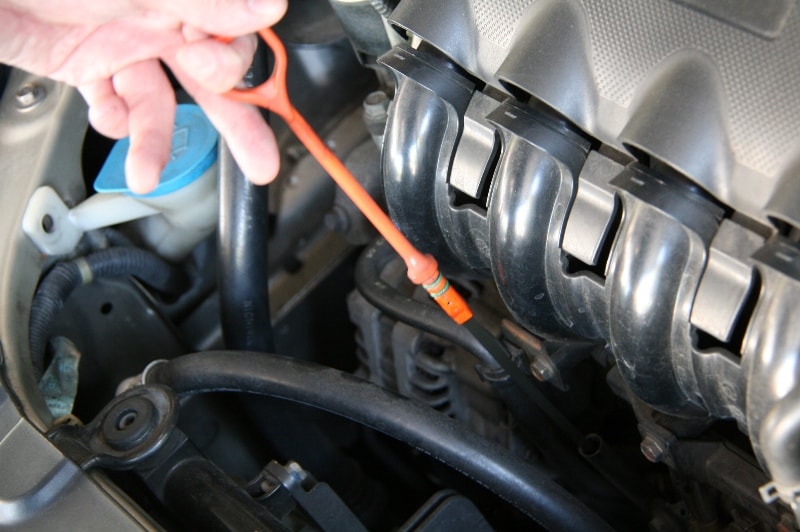 |
| To make this process easier to remember, every time you buy gasoline or oil, you should check the fluid levels in the coolant reservoir, lubricating oil, transmission fluid, power steering fluid, and brake fluid. In addition to checking the high and low levels of these fluids, you should also observe for leaks. Excessive leakage could be a sign of damage to a related component. |
6. Clean the engine cooling system.
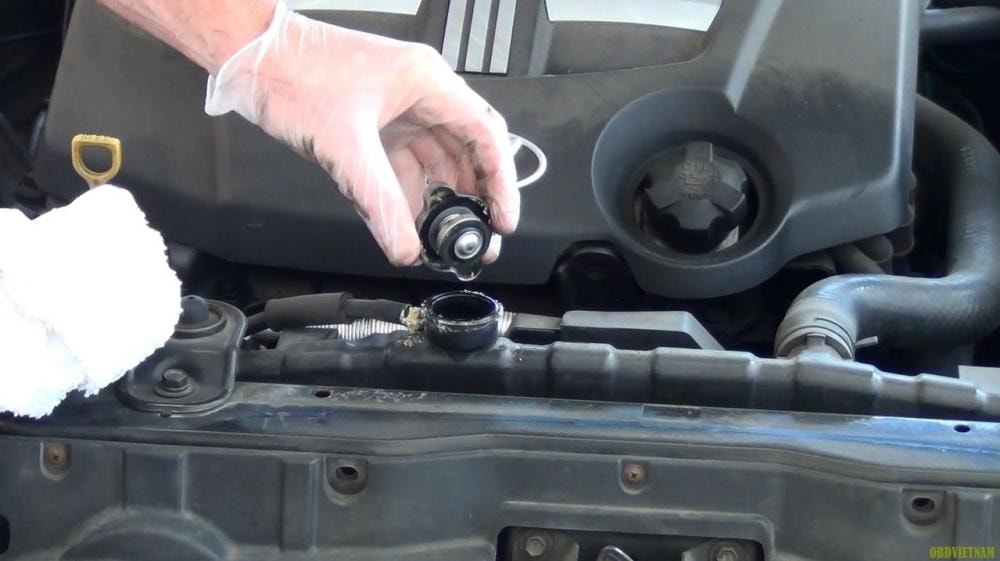 |
| This is an inexpensive task that helps prevent engine damage. The cooling system should be cleaned every two years or every 38,000 km for most vehicles. You need to clean this system with a specialized solution, not just plain water. Try to remove all stubborn dirt, grease, and other deposits. Then fill it with a 50/50 mixture of coolant and water. If you live in a harsh climate, increase the coolant ratio to about 70%. |
7. Avoid overloading the clutch assembly.
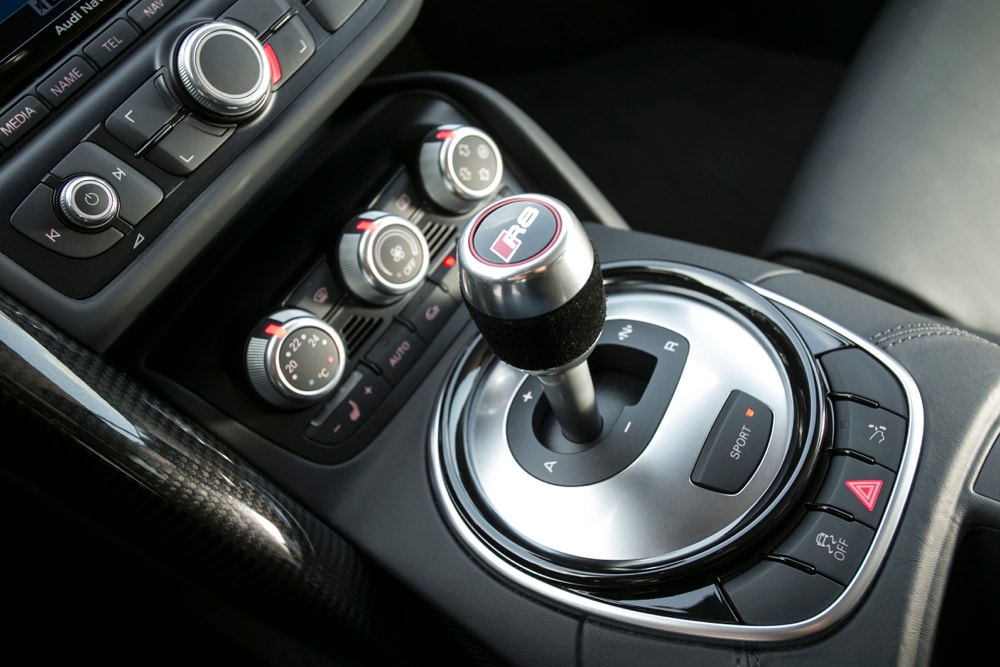 |
| Many drivers make this mistake. You shouldn't keep the clutch engaged while stopped at traffic lights or in long traffic jams. This can reduce the lifespan of your vehicle's drivetrain. For short stops, shifting to neutral (N) is the best option. |
8. Avoid cramming too many things into the car.
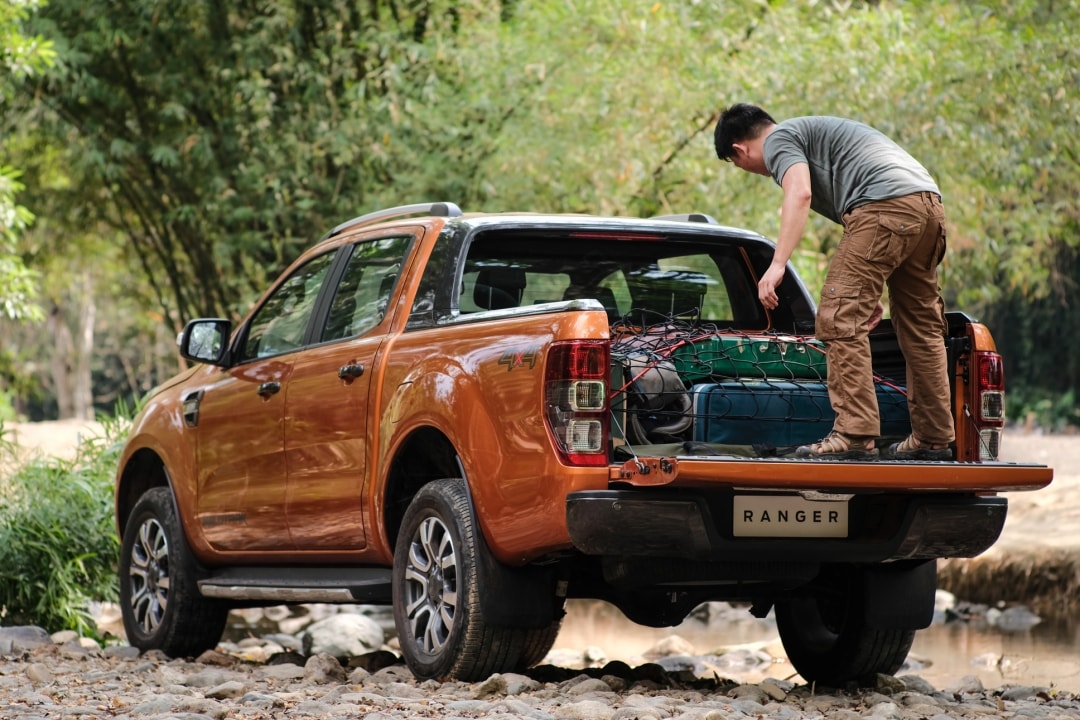 |
| Overloading your vehicle with too much luggage can damage its systems, such as the steering wheel, transmission, tires, and engine. Furthermore, this bad habit can increase fuel consumption and negatively impact your vehicle's handling on the road. To avoid this, drivers should adhere to the vehicle's maximum load capacity. Carrying only what's necessary and limiting the amount of luggage can reduce the risk of damage to your car. |
9. Repair malfunctions promptly.
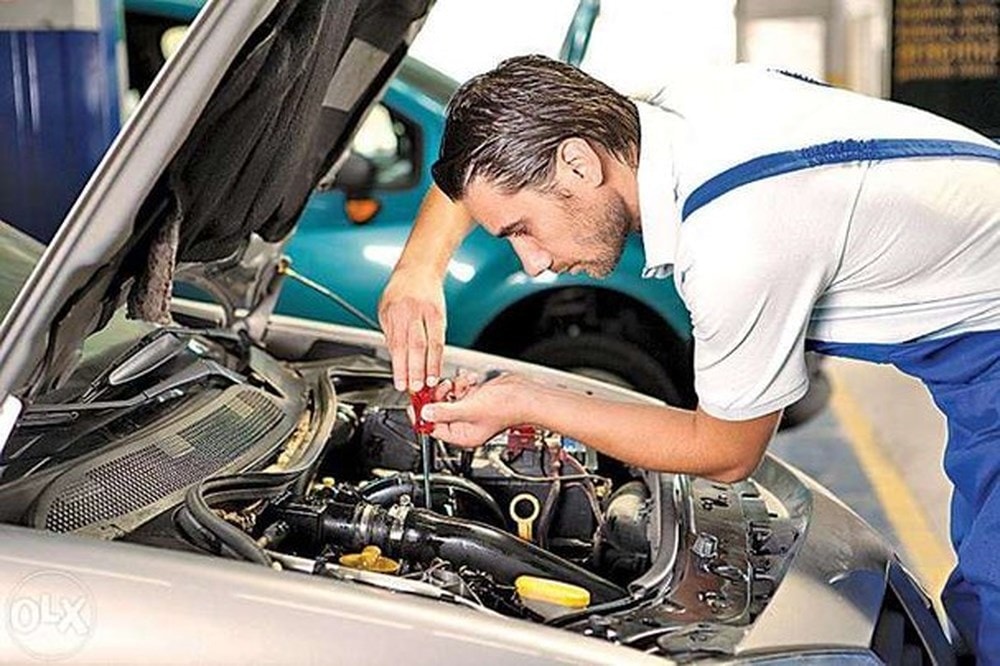 |
If you notice any unusual noises or signs, from minor body damage to engine problems, you should take your car to a garage for inspection and repair immediately. The mistake most people make is ignoring these signs and driving until the car is completely inoperable before taking it in for inspection.Attempting to drive in this situation could be dangerous if the vehicle suddenly breaks down, or you may incur additional repair costs due to related engine component failures. |
10. Don't forget the maintenance deadline.
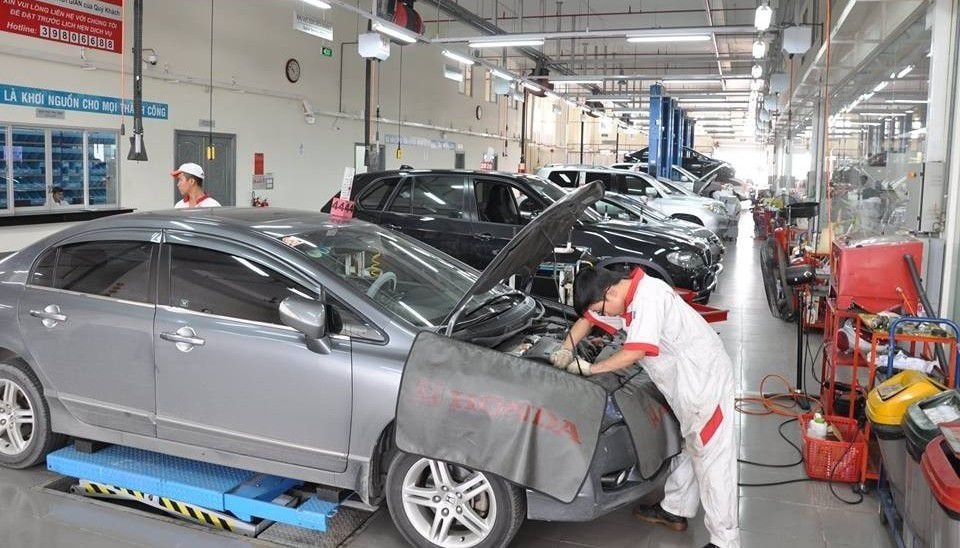 |
| One of the most common reasons for car brake failure is drivers forgetting or neglecting maintenance schedules. Regular maintenance and inspections can save a lot of money on repairs. Experts recommend that drivers check their vehicles (such as tire pressure, engine oil level, brakes, etc.) in the morning before driving, and note that maintenance also depends on the season and mileage. |