

How to distinguish coffee that is not adulterated or dyed.
(Baonghean.vn) - Coffee is a familiar beverage loved by many. However, not everyone knows how to distinguish real coffee from those that have been mixed with many impurities or dyed with harmful chemicals.
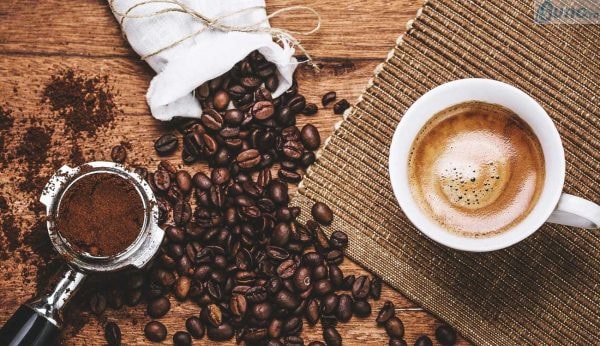 |
| Users can be poisoned if they drink coffee mixed with manganese dioxide powder (the black coloring agent) found in battery cores. (Illustrative image, source: internet) |
The manganese dioxide powder (the black coloring agent) in the battery core, used to mix with coffee powder, will leach into the water during brewing. Users may experience poisoning if ingested; more seriously, this substance can harm the nervous system, lungs, kidneys, and cardiovascular system.
So how can you tell if the coffee you buy is pure and free from harmful ingredients?
Here are some extremely simple ways to distinguish between real and fake coffee that you should keep in mind:
How to distinguish real coffee that isn't adulterated with harmful battery acid dyes.
Prepare a glass of room-temperature water. Slowly pour one teaspoon into the water, observe, and then add a second teaspoon.
 |
| If it's pure coffee, real coffee powder will be very light and float on the surface of the water. (Image from the internet) |
If it's pure coffee, real coffee powder will be very light and float on the surface of the water, not sinking immediately but gradually. Then stir vigorously; if the coffee powder sinks and the coffee water turns dark brown, it's unroasted coffee and safe for consumption.
If the coffee contains only a small amount of impurities, after about 20 seconds, the coffee powder will begin to sink in the water. This is because the impurities are heavier than the coffee, so they will gradually fall off in clumps.
In particular, if the coffee powder is fake and contains many harmful impurities, it will sink immediately when you put it in the cup because pure coffee powder is very light, porous, loose, and relatively uniformly fine.
In addition, from a visual perspective, the following methods can help us distinguish between genuine and fake products:
Moisture content of coffee powder
Genuine coffee powder absorbs less water because the moisture content of real coffee beans after roasting is quite low. Adulterated, impure coffee powder will be wetter, and may even clump together if it's heavily coated with caramel for coloring.
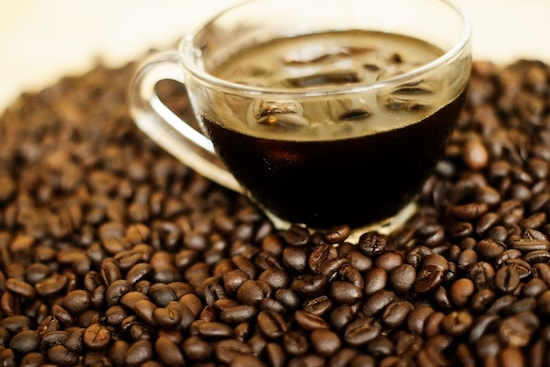 |
| When pure ground coffee is mixed with water, it will not turn black but rather a reddish-brown or dark brown color. (Image for illustration purposes only, source: internet) |
The color of coffee
When pure ground coffee is mixed with water, it's not black as many people think; it's always a reddish-brown or dark brown color. When ice is added, it turns amber brown. When viewed in sunlight, the iced coffee will appear a light brown.
The smell of coffee:
If you're familiar with it, you'll easily recognize the very pleasant, appealing, and distinctive aroma of the powder.real coffeeMany people are still confused and appreciate the smell of chemical flavorings added to the drink. However, this is perhaps the most difficult point to distinguish. It could be said that you can only tell the difference by the smell of the drink itself.pure coffeewith the smell of chemical flavorings when you've often and regularly drunk pure coffee.
The taste of coffee
When coffee is roasted for the right amount of time and at the appropriate temperature, it yields a cup of coffee with a clean bitterness mixed with a subtle acidity, a very delicate flavor due to the hidden acidic components behind the bitterness in the coffee bean. If you understand the properties of coffee, you won't insist on a dark, intensely bitter cup of burnt, over-roasted coffee beans flavored with all sorts of pungent aromas. You will choose the right taste for yourself.
 |
| Typical coffee foam is fairly uniform in size, more opaque and appears "thicker," but it collapses quickly. (Image source: internet) |
Coffee foam:
Coffee itself, when whipped with sugar, creates a small amount of light brown foam that looks quite nice. However, some consumers have misconceptions and unreasonable demands for a beautiful foam in their coffee. To meet customer demands, some manufacturers add surfactants to the coffee to create foam. Therefore, you also need to know how to distinguish between these two types of foam. If the foam is thin, has a rainbow sheen, fills the entire cup, and takes a long time to dissipate, making the coffee look quite beautiful, it is definitely soap foam. Typical coffee foam is quite uniform in size, more opaque, and looks "thicker," but it collapses quickly.
Above are some ways to distinguish pure coffee, making it easier for you to identify real and fake coffee. Ideally, you should buy coffee with a clear origin from reputable stores or well-known brands to protect your health.