

10 things you need to know to avoid being ripped off when buying a used car.
(Baonghean.vn) - When the cost of buying a new car is too high, many people choose to buy a used car. However, this cost-saving measure can come with risks if you don't have enough knowledge to inspect the vehicle... The basic suggestions below will help you avoid making regrettable mistakes.
1. The origin of the car
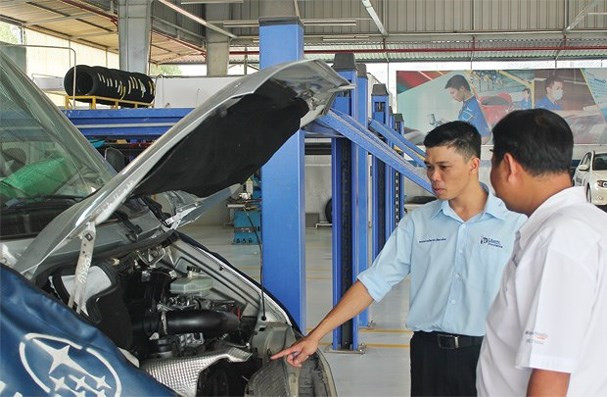 |
This is the number one important issue for a used car, such as the registration certificate, complete inspection records, insurance policy (if any), etc. It not only reveals the previous owners but is also related to a series of issues in the process of legalizing the car for the new owner and is a condition for the car to be legally driven later on.
Typically, buyers of used cars will have to pay additional fees (registration tax, calculated based on the value of the used car as determined by the tax authorities) to legally transfer ownership, and the amount can vary significantly depending on the location of the vehicle registration.
2. The number of kilometers traveled on the odometer.
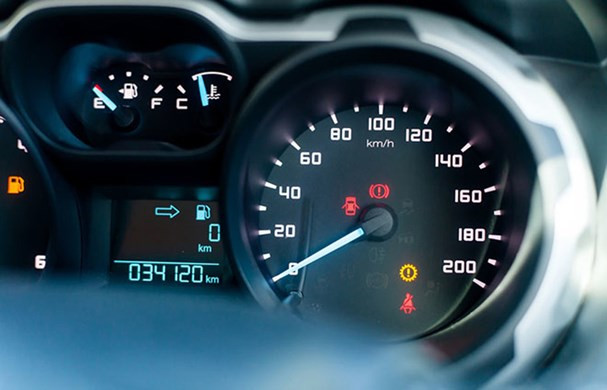 |
This is important and should be considered first. Based on the mileage, you can determine the value of the car and think about whether it's worth the money. According to experts, for European brands like BMW and Mercedes, you should choose cars that are no more than 7 years old; for Japanese and Korean cars, you shouldn't choose cars that have traveled more than 18,000 km because this is when problems begin to appear.
3. Inspect the engine block.
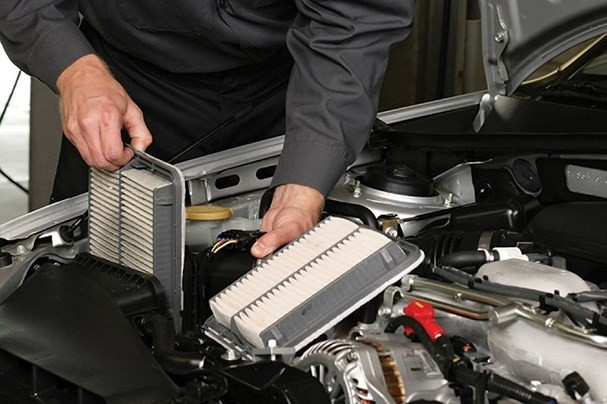 |
When buying or selling a used car, check for oil leaks under the engine block. If there are leaks, it's most likely due to worn gaskets, but in many cases, sellers have anticipated this and replaced the oil with a thicker type, reducing piston ring leaks and preventing black smoke.
Buyers should communicate clearly with the seller, and to ensure the best results for the vehicle, it's best to choose the appropriate type of oil, as specified by the manufacturer.
4. Windshield
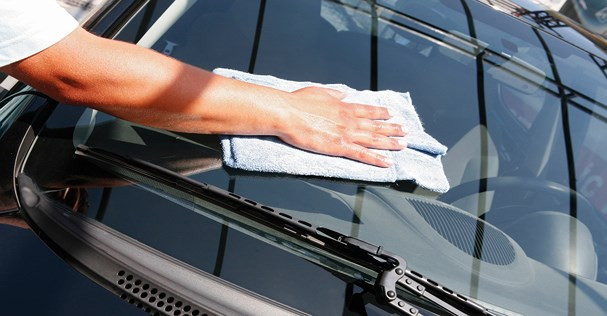 |
To assess the quality of a used car, you need to inspect all windows and windshields, both front and rear, to determine if the car has been involved in any past accidents. Even minor scratches, scuffs, cracks, or loose parts should be carefully examined, as these could indicate that the car has been involved in an accident or suffered damage that was not repaired or maintained by the previous owner.
5. The door
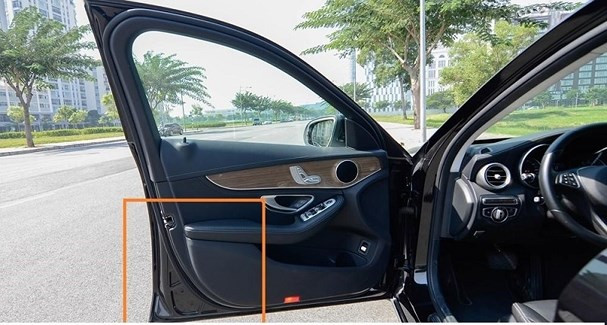 |
Used cars often have gaps or warping at the edges of the doors when closed, due to collisions or other malfunctions that the previous owner didn't fix. Depending on the severity of the damage, you can decide whether or not to choose it.
6. Steering wheel
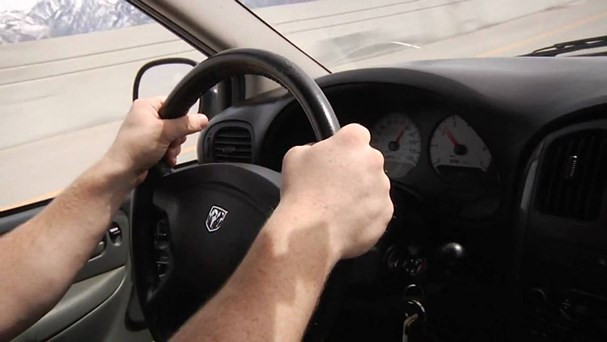 |
The simplest way to assess whether a used car's steering wheel is functioning properly is to test drive it. You should test drive a car you're interested in at least two or three times; first, test it on a quiet road to see if the engine runs smoothly, then expand the testing area.
The best time to test drive a car is over half an hour, and doing so on various types of roads will give you the best assessment of the car's handling in different situations.
7. Brakes
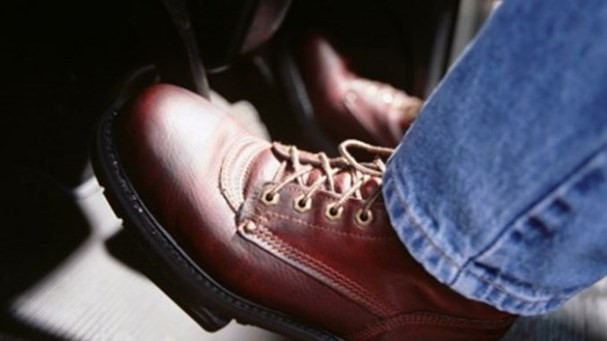 |
The braking system plays a crucial role – you should check it carefully when buying a used car. First, step on the brake pedal. If it feels loose, vibrates, shakes the steering wheel, or makes squeaking, grinding, or metallic sounds, it's very likely that the brakes are low on fluid or leaking.
Sometimes, some cars have brake discs that are excessively worn or not properly maintained, which can cause many problems in the future if purchased, or even if repaired, they may not function reliably.
8. Check the tripod legs.
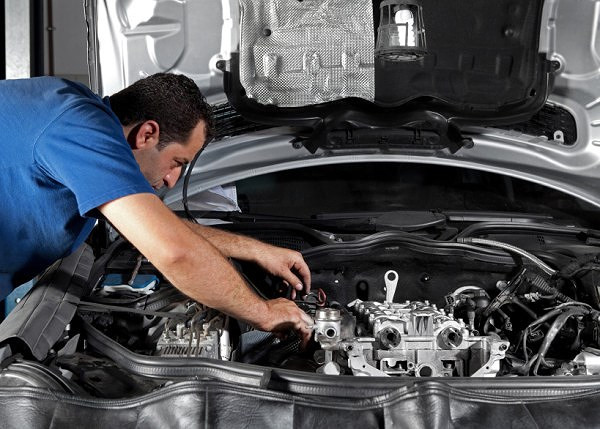 |
Replacing engine mounts can be very expensive if they break. There are a total of four rubber engine mounts. To check them, open the hood, shift to first gear, and press the accelerator. If the engine jerks violently backward or upward, it's time to replace them. The rubber mounts are also quite easy to spot with the naked eye. Most older cars have this problem.
9. Control Panel
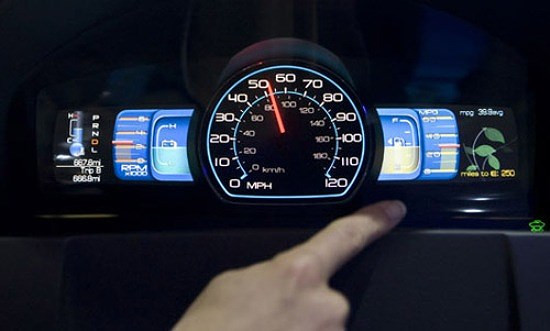 |
A well-functioning instrument panel on a used car should provide accurate and complete information about the vehicle's status and journey, whether through buttons or touchscreens. Test all the buttons, even the smallest ones, to ensure everything is working smoothly; otherwise, you might encounter problems.
10. Brand Issues
 |
When buying a used car, you may need to replace some parts before you can use it. Therefore, the price of parts is also a factor to consider. For example, Japanese and Korean cars (Toyota, Honda, etc.) have a wide variety of readily available parts at different price points. In contrast, Mercedes and BMW cars have significantly more expensive parts. The process of replacing parts in luxury cars is also quite costly.