

4 ways to tell if your car's brake pads are worn.
(Baonghean.vn) - Brake pads for cars are equipped to ensure safety and stability when the vehicle starts moving. They also help the car avoid collisions and sudden braking in unexpected situations while driving. Therefore, knowing when to replace brake pads is essential knowledge for your driving skills.
1. Unusual noise
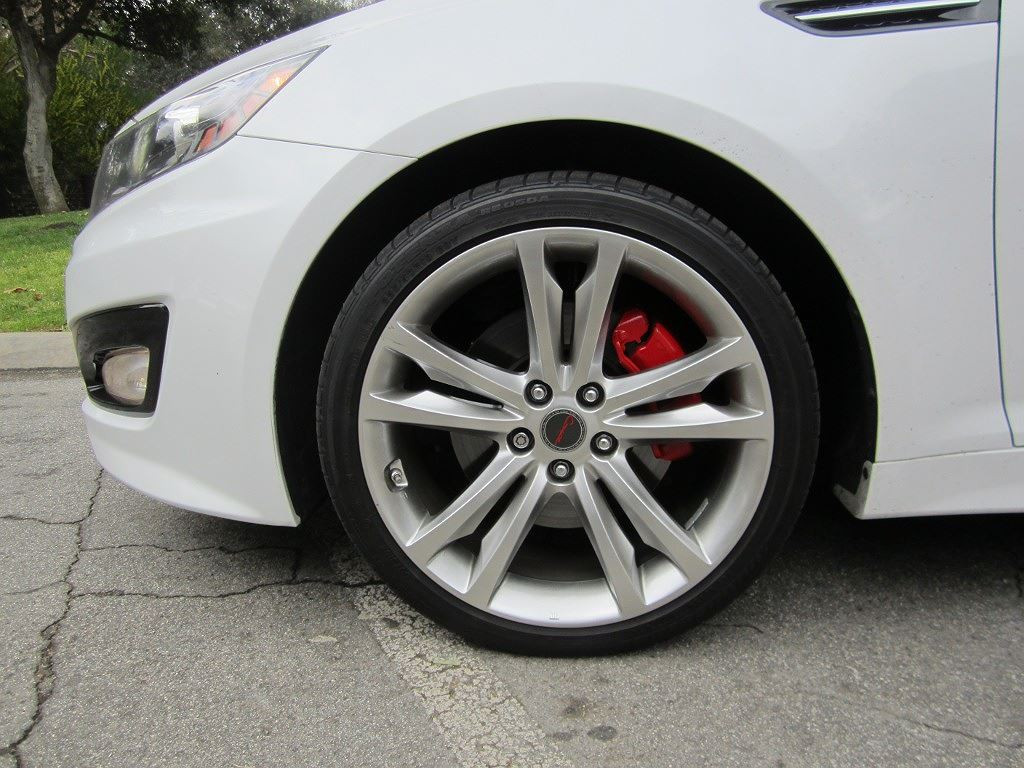 |
Good drivers rely on the smooth coordination of their feet, hands, and eyes. Another important thing is to use your ears to listen for unusual sounds or noises coming from your car. Squeaking or grinding noises when braking are a clear sign that the brake pads are worn and need replacing immediately.
2. The car swerves from side to side when braking.
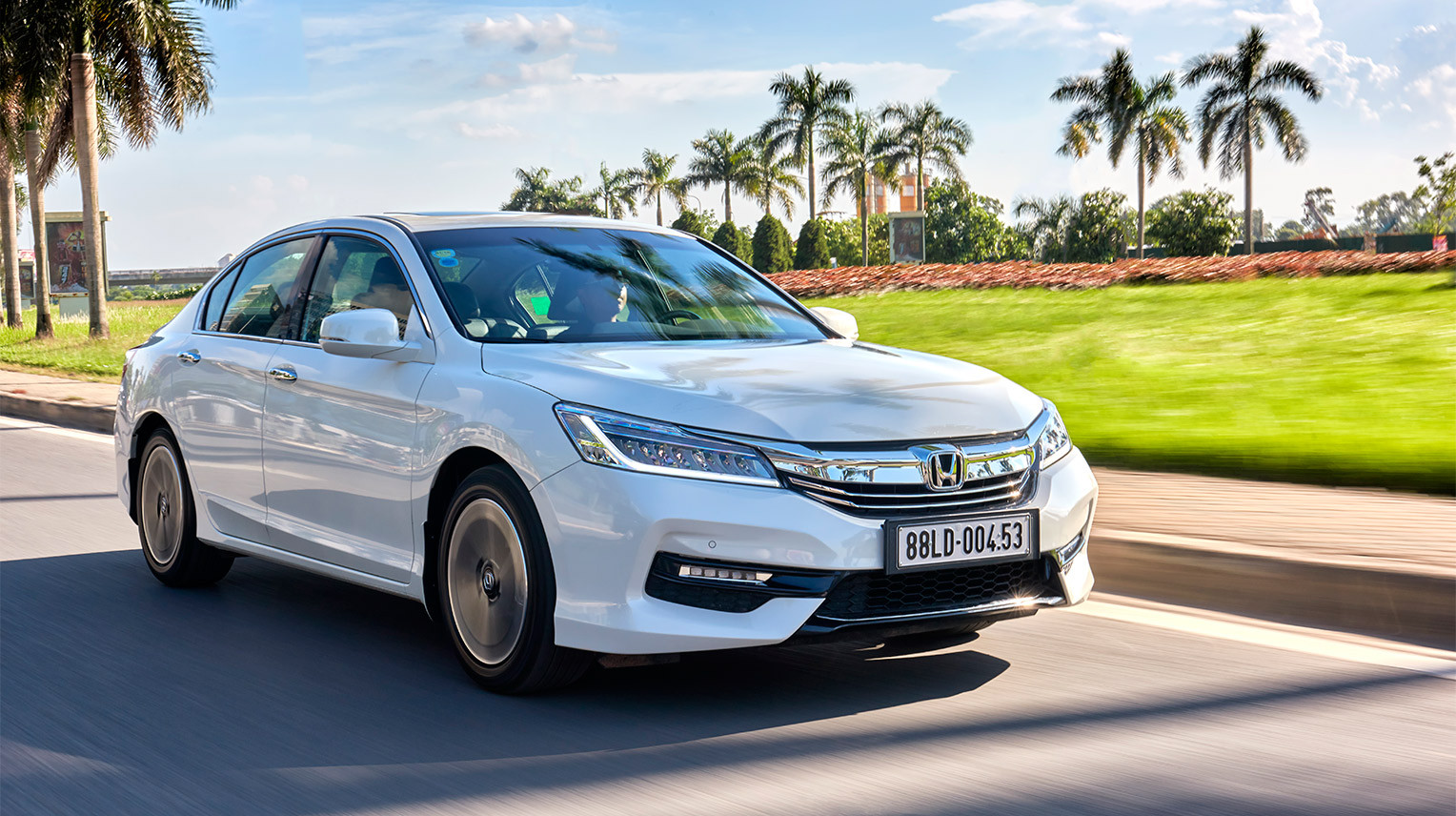 |
When braking, if you feel a pulling force causing the car to swerve erratically to the left or right, or if the car jerks when you stop, you should have your brakes checked immediately.
3. Sensations in the legs
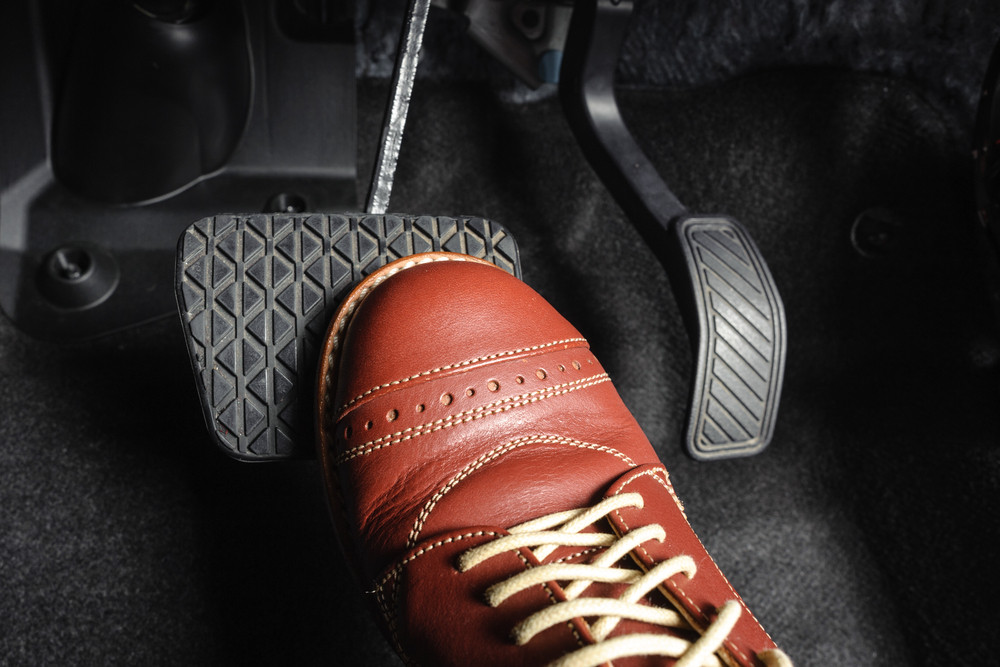 |
Besides the noise, another sign is that the brakes will not work as well as usual, and the braking distance will increase. You will find it more difficult to control the vehicle, especially when traveling at high speeds and suddenly having to stop due to an obstacle. At that point, even when the brake pedal is almost touching the floor, the brakes may not be very effective.
You might also notice the pedal feels lighter, and the pedal's free travel seems greater than usual...This is the time to replace your brake pads.
4. Wear sensor
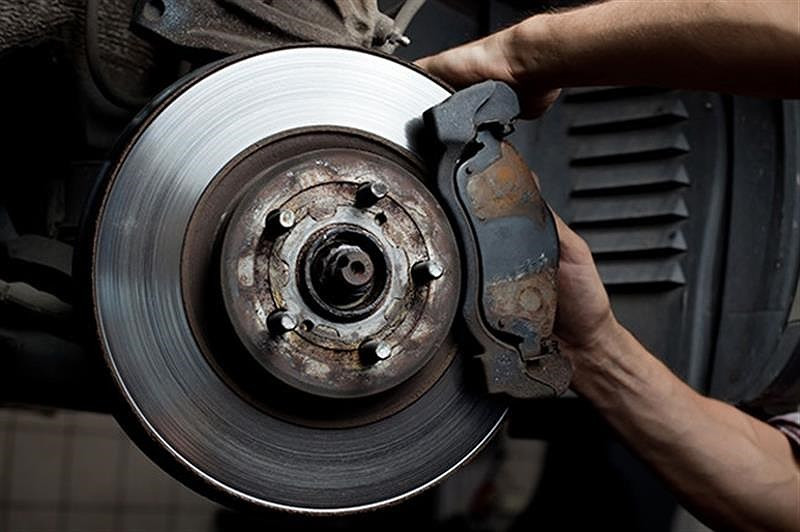 |
There are two types of sensors:
- Brake pads on a vehicle have a steel plate attached to help dissipate heat. When the brake pads wear down, they will come into contact with the brake caliper and brake disc, causing squeaking noises.
- The brake pads on your vehicle are equipped with sensors that detect wear, causing them to come into contact with the brake caliper and brake disc, resulting in the brake wear warning light on the dashboard illuminating. Please refer to your vehicle's owner's manual for more information on related issues.
When should you replace your car's brake pads?
According to automotive experts, the braking system should be checked along with the oil change; brake pads should be replaced when their thickness is only 2-3mm. Reduced brake pad thickness leads to decreased friction; this reduced friction results in less effective braking, which can be dangerous when braking suddenly or sharply in critical situations.
- When replacing brake pads, always replace both pads together. Replacing only one side will result in uneven wear. The brake discs should also be resurfaced after replacing the pads.