

Contracting these terrible diseases due to the habit of using plastic products.
Exposure to toxic substances from plastics can cause abnormalities in sperm, eggs, and fetal development, leading to cancer, premature puberty in children, and many other dangerous diseases.
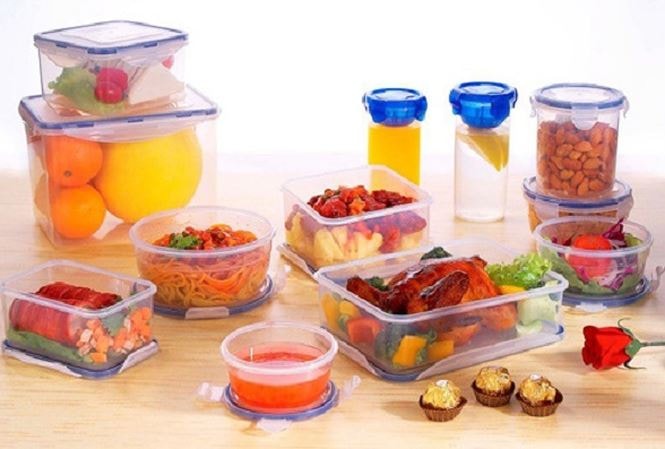 |
Think back to everything you've eaten today. Perhaps you chose a healthy lunch, but the food was in a plastic container. Maybe you ate yogurt – healthy – but the yogurt container is also plastic.
You drink water from a glass, but the water is poured from a large plastic container. Salads or fruit are also kept in plastic containers. In particular, if you eat an apple, wrapping it in plastic film is a trick to prevent it from browning.
A very high percentage of what you eat today is packaged in plastic bags, stored in plastic containers, heated, served in bowls and plates, and even served with plastic spoons and chopsticks. And most of these utensils are made from polycarbonate plastic, some containing bioactive chemicals such as bisphenol A (BPA) and phthalates.
These man-made chemicals can leach from plastics and contaminate food and drinks—especially when heated. Research earlier this year showed that over 90% of bottled water from leading global brands is contaminated with microplastics. And this finding has drawn particular attention from the World Health Organization (WHO).
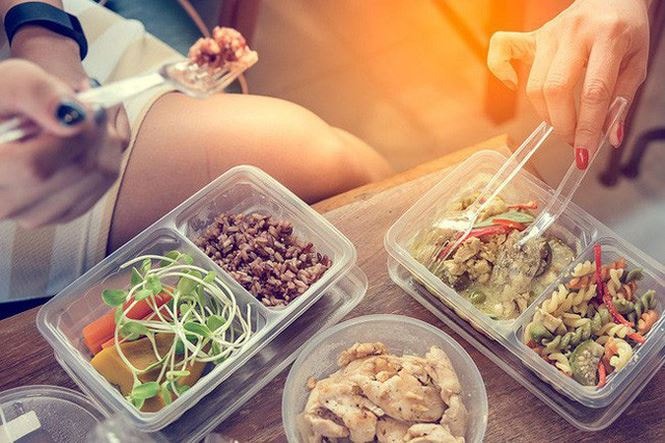 |
Food containers made from recycled plastic pose a significant health risk to users. (Illustration: Internet) |
According to Associate Professor Dr. Nguyen Van Khoi from the Institute of Chemistry, the quality of plastic on the market today is uncontrolled. Products used for food storage made from recycled plastic are very dangerous. Although the exact level of toxicity is unknown, if the product is made from waste plastic, users are at high risk of bacterial contamination.
Furthermore, we have no control over the additives used in the production of recycled plastics, such as limestone powder and plasticizers. In addition, plastic made from waste contains many toxic peroxides, impurities, and is unsanitary and harmful to human health. According to Mr. Khoi, plastic can be recycled, but the purpose of recycling is crucial. If recycled from waste to make tableware, it must undergo rigorous testing.
Impact on fertility
Scientists have demonstrated that BPA in plastic can cause chromosomal abnormalities in fetuses and lead to birth defects.
Furthermore, chemicals in plastic can disrupt sex hormones like estrogen, leading to premature puberty in children. Many studies show that people who use low-quality bottled water may have an increased risk of prostate cancer, breast cancer, and impaired fertility.
Infection
In reality, bottled water is not entirely hygienic. Bacteria can contaminate it if the sterilization and bottling process is not properly maintained. The design of the bottle also plays a crucial role. Bottles with elaborate designs are often difficult to clean. You should pay attention to the characteristics of plastic bottles when deciding to regularly use bottled drinking water in your family.
Increased risk of cancer
Experts advise against using plastic bottles to store warm water. High temperatures can catalyze chemical reactions between the water and the bottle's components, creating carcinogenic compounds. You should use glass or high-quality metal bottles to store drinking water.
Experts advise consumers not to use styrofoam or plastic containers to hold hot food and drinks, oily foods, or boiling water. They should also avoid using them to store pickled foods like pickled cucumbers, salad dressings, or lemonade. Therefore, to ensure their health, consumers should minimize the use of these products for food storage.