

The desire to become mothers among women with HIV.
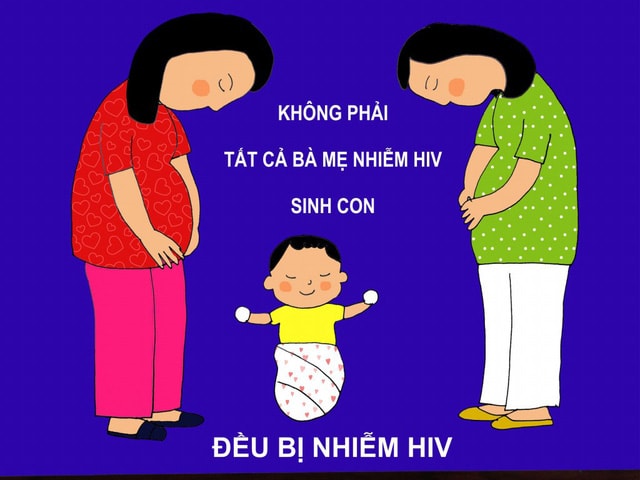
(Baonghean) - Becoming a mother is the wish of all women, including those infected with HIV. In Nghe An, since 2007, the program to prevent HIV transmission from mother to child has brought happiness to many families.
At over 40 years old, Ms. Nguyen Thi H. became a mother again and was even happier when her baby boy was born safely, despite having been HIV-positive for nearly 20 years. The birth of her child also became a bond between her and her second husband, giving her renewed strength to live.
Previously, she had a happy family. But then, misfortune struck when she gave birth to her first daughter and soon after received the devastating news that both mother and child had contracted HIV from her husband. After her husband's death, there was a time when she and her daughter faced great difficulties, constantly fearing social ostracism. However, for the sake of her child, she persevered and even became an active peer educator, helping people with HIV in Vinh City.
Here, she also met her current husband and began pursuing her dream of having a complete family filled with the sounds of children. Sharing her journey of giving birth to a healthy child, she said: "For many years, I have been taking ARV medication regularly and my health has been completely normal. Therefore, when they learned that I wanted to have a child, the staff at the HIV/AIDS Prevention and Control Center supported and guided me throughout the process before, during, and after childbirth. My child is now almost one year old, and after multiple tests, all indicators have been negative."
 |
Ms. H's story has also become an inspiration for many mothers with HIV/AIDS in the province. Ms. H, as a peer educator and assistant at a clinic for HIV-infected patients, shared her experience with many other women who dream of becoming mothers after successfully giving birth.
At the Obstetrics Department of Nghe An Obstetrics and Pediatrics Hospital, we also met a father from Thanh Chuong district who shared his joy because his newborn child was safe after testing negative for the virus. This is also the first case in Nghe An where a newborn's ARV treatment was switched from tablets to syrup, and it has initially shown comparable effectiveness. The father also said: Due to the family's remote location, his wife mainly received ARV treatment at the district hospital during her pregnancy. But thanks to the doctors and nurses' advice on monitoring and caring for the fetus, and on nutrition, the couple felt quite reassured and successfully went through the 9 months of pregnancy and gave birth safely.
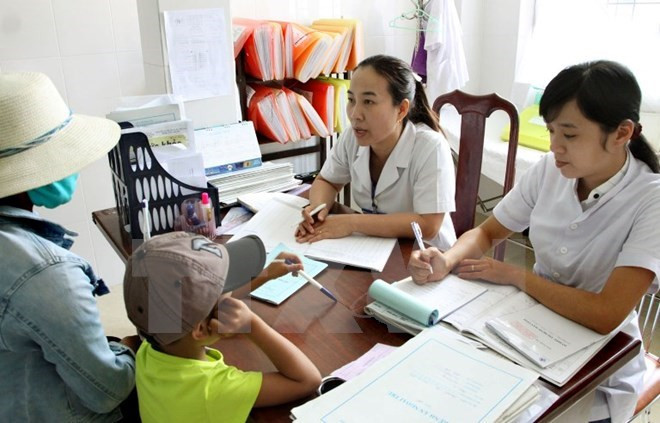 |
| Providing counseling and health check-ups for HIV/AIDS patients. (Illustrative image) |
2018 marked the 11th year of the HIV mother-to-child transmission prevention program in Nghe An province, yielding very positive results. For example, at Nghe An Obstetrics and Pediatrics Hospital – one of the first units to implement the program – all 270 HIV-infected pregnant women treated were successful. According to Dr. Nguyen Thanh Hung of Nghe An Obstetrics and Pediatrics Hospital, HIV-infected women still have the opportunity to give birth safely by using ARV drugs.
"In HIV/AIDS patients, the HIV virus invades the body, destroying the immune system and creating opportunities for other infections. If patients receive regular ARV treatment, it helps suppress the virus, and when it reaches normal levels, the chances of a safe pregnancy are very high," Dr. Hung said.
According to Dr. Hung, the rights to prevent HIV transmission from mother to child are increasingly being expanded. Specifically, according to Decision No. 5418 dated December 11, 2017, of the Ministry of Health on the issuance of guidelines for HIV/AIDS treatment and care, all pregnant women infected with HIV are indicated for treatment to prevent HIV transmission from mother to child as early as possible. Furthermore, the Law on HIV/AIDS Prevention and Control includes a separate article regulating the prevention of HIV transmission from mother to child, and HIV-infected women are facilitated in accessing free, high-quality prevention services, especially antiretroviral drugs (ARVs).
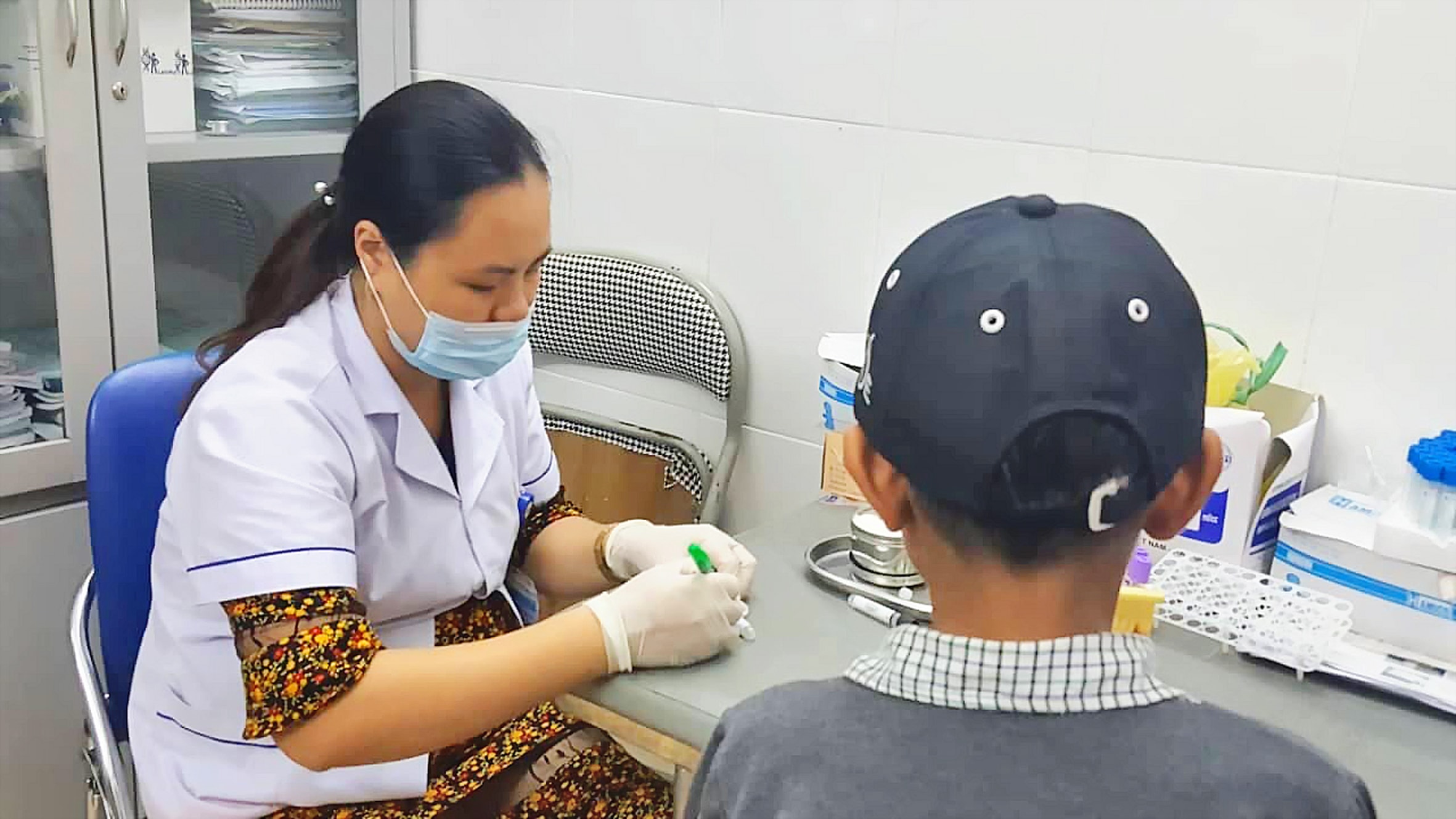 |
| A health check-up for a pediatric patient at the clinic for people with HIV/AIDS, Nghe An Obstetrics and Pediatrics Hospital. Photo: Song Hoang. |
With these benefits, pregnant women who know they are HIV-positive, or HIV-positive women who want to become pregnant and give birth, need to receive counseling and must strictly adhere to HIV transmission prevention measures. In Nghe An, since the HIV transmission prevention program was implemented, all provincial and district-level obstetric facilities have provided comprehensive services to prevent HIV transmission from mother to child.
According to Dr. Trinh Hung Tien, Deputy Director of the HIV/AIDS Prevention and Control Center: If women with HIV take ARV medication regularly and receive proper care according to the three-stage protocol – before pregnancy, during labor, and after birth – the success rate can reach 98%.
Despite its advantages, preventing HIV transmission from mother to child still faces many difficulties, especially in screening and detecting HIV-infected mothers. At the pediatric HIV clinic at Nghe An Obstetrics and Pediatrics Hospital, we encountered quite a few children with HIV whose mothers had not been diagnosed beforehand. Ms. Tran Thi L (Le Loi ward, Vinh city) said: “My first child was healthy and developed normally. When I gave birth to my second child, the pregnancy was stable, so I wasn't too worried. But when my child was 1 year old, he got sick, had to be hospitalized, and only then did I find out he was infected with HIV from his father… Currently, my husband has passed away, my son is in the 3rd grade, and the family still has to keep it a secret from everyone. As for my son, every few months, I take him to Nghe An Obstetrics and Pediatrics Hospital for medication and health check-ups.”
Regarding this issue, Dr. Trinh Hung Tien also expressed concern because, despite awareness campaigns, the number of HIV-positive women giving birth unsafely remains quite high due to the following reasons: Currently, in rural and mountainous areas, most people still give birth at health centers. Meanwhile, the medical equipment and facilities there are insufficient for preventive testing for HIV/AIDS patients...
According to statistics from the Department of HIV/AIDS Prevention and Control (Ministry of Health), in 2017, out of more than 2.7 million pregnant women nationwide, only nearly 1.4 million were tested for HIV, accounting for 50.2%. However, the rate of HIV detection among these tested pregnant women was quite high, at 1,108 people.
In Nghe An, according to statistics from the Nghe An Obstetrics and Pediatrics Hospital, if both mother and child receive treatment, the success rate is 100%. Conversely, if neither receives treatment, the failure rate is absolute. Meanwhile, a large number of mothers lack knowledge about HIV and are unaware of their own HIV status, thus transmitting the virus to their children.
This reality also raises many issues in the current work of preventing HIV transmission from mother to child. And, to succeed, in addition to propaganda and mobilization efforts, there are many solutions from the health sector and other departments and agencies to effectively control the HIV infection situation.