

There is a need to raise awareness about social security goals and strategies.
(Baonghean.vn) - This was the content requested by Vice Chairman of the Provincial People's Committee Le Minh Thong at the online conference on the implementation of tasks related to labor, war invalids and social affairs in 2019, held on the afternoon of December 24th.
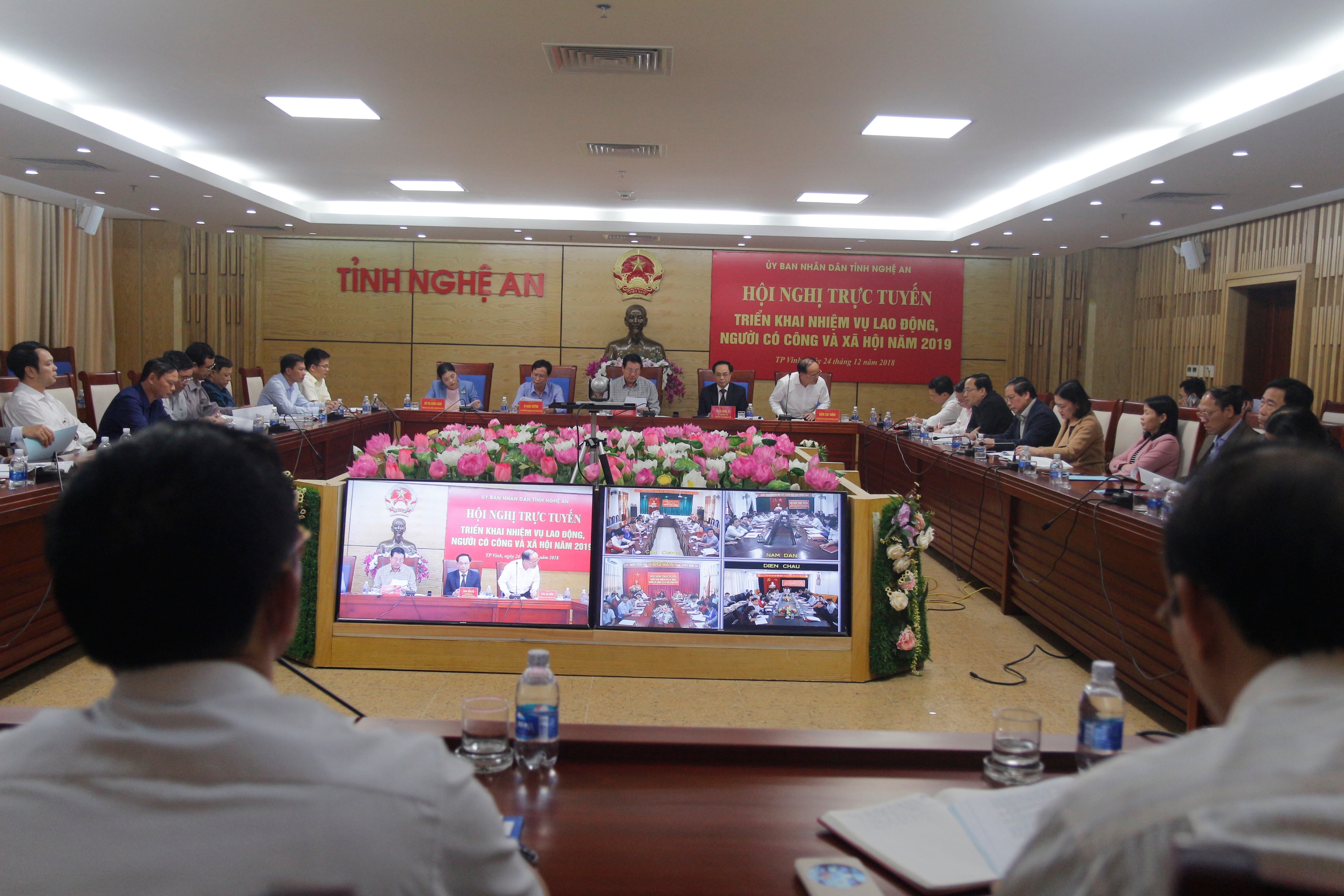 |
| Comrade Le Minh Thong - Member of the Standing Committee of the Provincial Party Committee, Vice Chairman of the Provincial People's Committee - presided over the meeting at the Provincial People's Committee. Participating in the online conference were representatives from the Provincial People's Council, departments, agencies, and 21 locations in 21 districts, cities, and towns. Photo: Thanh Nga |
Providing employment for over 37,500 workers.
According to the report presented at the conference, over the past year, the Department of Labor, War Invalids and Social Affairs has implemented a comprehensive set of solutions to strengthen job creation and promote labor export. The entire province has created jobs for over 37,500 workers, achieving 100.1% of the plan, including over 13,600 workers exported abroad, reaching 100.5% of the plan.
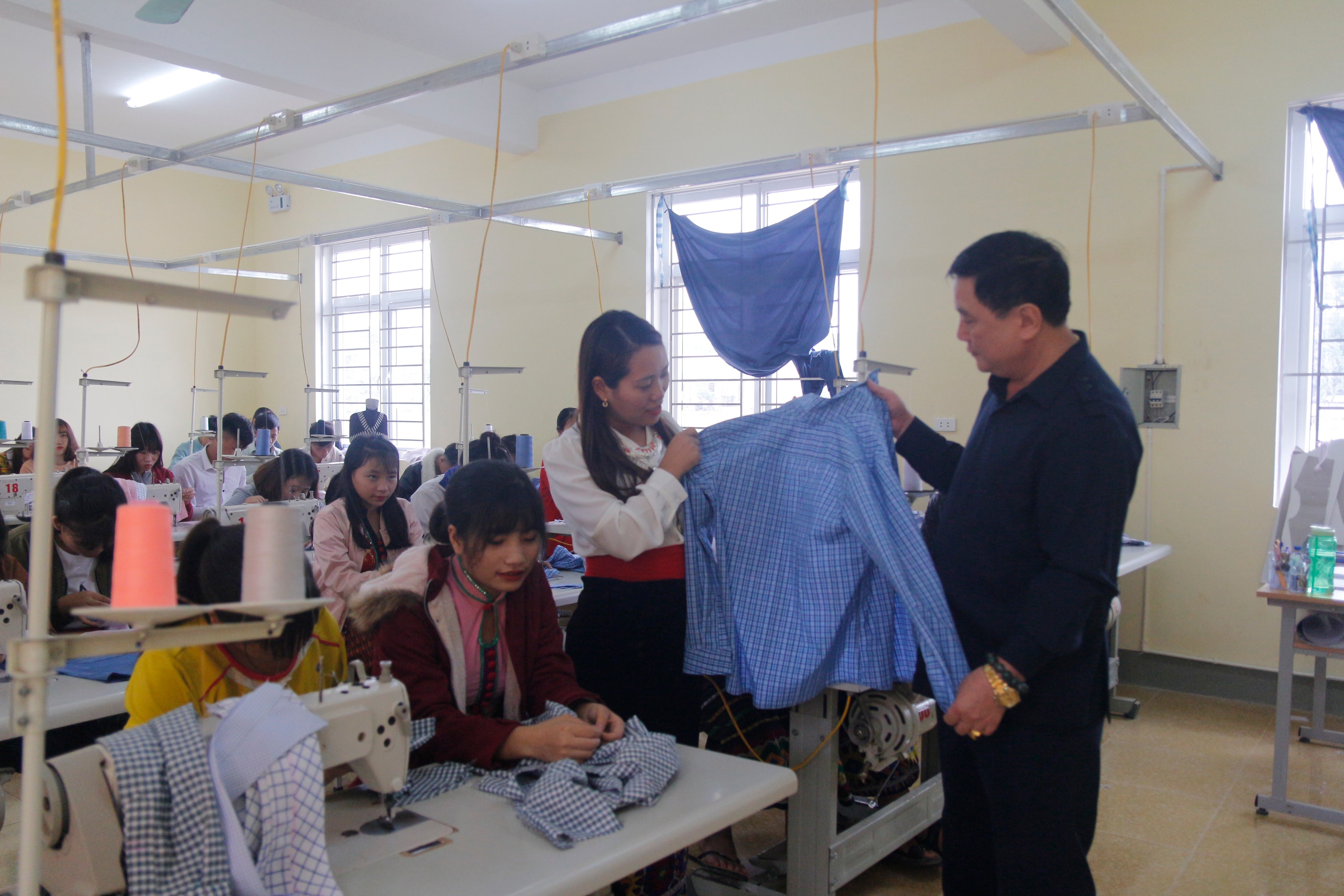 |
| Vocational training in sewing for students from mountainous areas at Con Cuong Ethnic Minority Boarding School. Photo: Thanh Nga |
According to representatives from the Department of Labor, Invalids and Social Affairs, vocational training has been a top priority for the department and relevant agencies in achieving and exceeding job creation targets. Last year, the department enrolled and trained over 72,000 people, reaching 100% of the plan; raising the percentage of trained workers to 55.5%.
However, many argue that some rural workers, after completing vocational training, lack stable employment and earn low incomes. Some vocational schools lack adequate facilities; and there is a shortage of qualified technical teachers and experts in vocational education.
Furthermore, efforts to encourage workers whose contracts have expired in South Korea to return home have not been effective; the rate of illegal residency in South Korea remains high (currently 2,300 workers). Many people hope that the Department will advise the Ministry of Labor, Invalids and Social Affairs to reach agreements with South Korea on the issuance of sufficiently strong sanctions to ensure that workers return home on time.
There are still 9,500 extremely poor households.
 |
| Representatives from the Con Cuong District Party Committee's Mass Mobilization Department visited and encouraged Mr. La Van Bang, a Dan Lai ethnic minority member. (Photo: Archival image) |
According to the sector's report, the implementation of poverty reduction support policies and assistance programs for poor households has been diligently pursued by all levels and sectors to achieve the set goals. Through fundraising programs for the poor and Tet for the Poor campaigns, 132.5 billion VND has been raised, of which agencies and units have continued to support and assist poor communes in the western region with a total budget of over 47.7 billion VND. It is estimated that by the end of 2018, the poverty rate in the entire province will have decreased to 5.54%.
The most discussed issue at the conference was the failure to achieve the expected results in sustainable poverty reduction, despite the concerted efforts of the entire society. Mr. Dang Cao Thang, Deputy Director of the Department of Labor, Invalids and Social Affairs, stated: Currently, the rate of poverty reduction is slowing down, and the number of extremely poor households in the province remains high at 9,500. This is largely due to the impact of Typhoon No. 3 and its remnants in 2018, which caused severe damage to the western region of Nghe An province.
Also at the conference, delegates from all locations agreed with the goals and targets in the report. The goal is to reduce the poverty rate across the province to 4% by the end of 2019; districts with high poverty rates (Kỳ Sơn, Tương Dương, Quế Phong, Quỳ Châu) and communes with poverty rates exceeding 30% should aim for a reduction of 4% - 5% compared to the beginning of the year. Mr. Đoàn Hồng Vũ, Director of the Department of Labor, War Invalids and Social Affairs, requested that districts quickly review the number of poor households, completing the process by December, ensuring accuracy and targeting the correct beneficiaries.
Revoking benefits for war invalids who received them illegally remains a challenge.
Also during the past year, the management and payment of benefits to people who have rendered meritorious services to the revolution were carried out fully and promptly, with nearly 122.68 billion VND per month for more than 75,000 people. The "Gratitude and Repayment" movement was widely socialized, with the entire province raising more than 18 billion VND for the Gratitude and Repayment Fund.
Over the past year, the Department and relevant agencies have also focused on directing and urging the review and supplementation of dossiers of resistance fighters and their children affected by chemical toxins; and implementing housing support for disadvantaged meritorious individuals according to Decision No. 22/2013/QD-TTg dated April 26, 2013, of the Prime Minister.
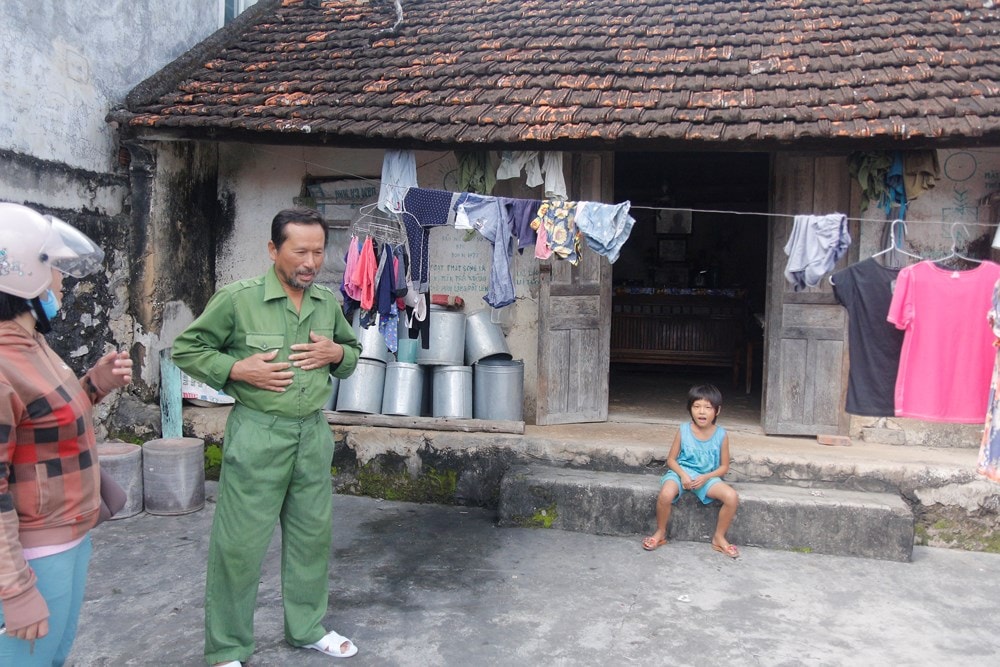 |
| The housing support policy for war veterans could not be fully implemented in 2018. In the photo: Mr. Ho Van Hoat's house in Hamlet 8, Quynh Van Commune (Quynh Luu District) is severely dilapidated, but there is insufficient funding to rebuild it this year. Photo: Thanh Nga |
However, Director Doan Hong Vu also pointed out some difficulties, such as: Currently, the process of recovering benefits from individuals who received benefits incorrectly is facing challenges. Local authorities and departments have held dialogues with these individuals, and they all acknowledge that their files violated regulations. However, recovering the benefits is not easy because these individuals are elderly and frail. Furthermore, many individuals assert that although their files do not meet the standards, they are "genuine people with real circumstances." Therefore, the Department has sought guidance from the Ministry and has received instructions that if the individual is classified as a poor household or is suffering from a serious illness, recovery of benefits will be waived.
At the same time, districts also need to strengthen guidance and support in searching for original documents for those who want to restore their records, avoiding any loss of honor or entitlement for war invalids.
The Director of the Department also requested that districts strengthen the review of individuals affected by chemical toxins, ensuring that the roadmap and targets set by the Ministry are met. Focus should be placed on reviewing, cross-referencing, and supplementing the records of outstanding war invalids and wounded soldiers.
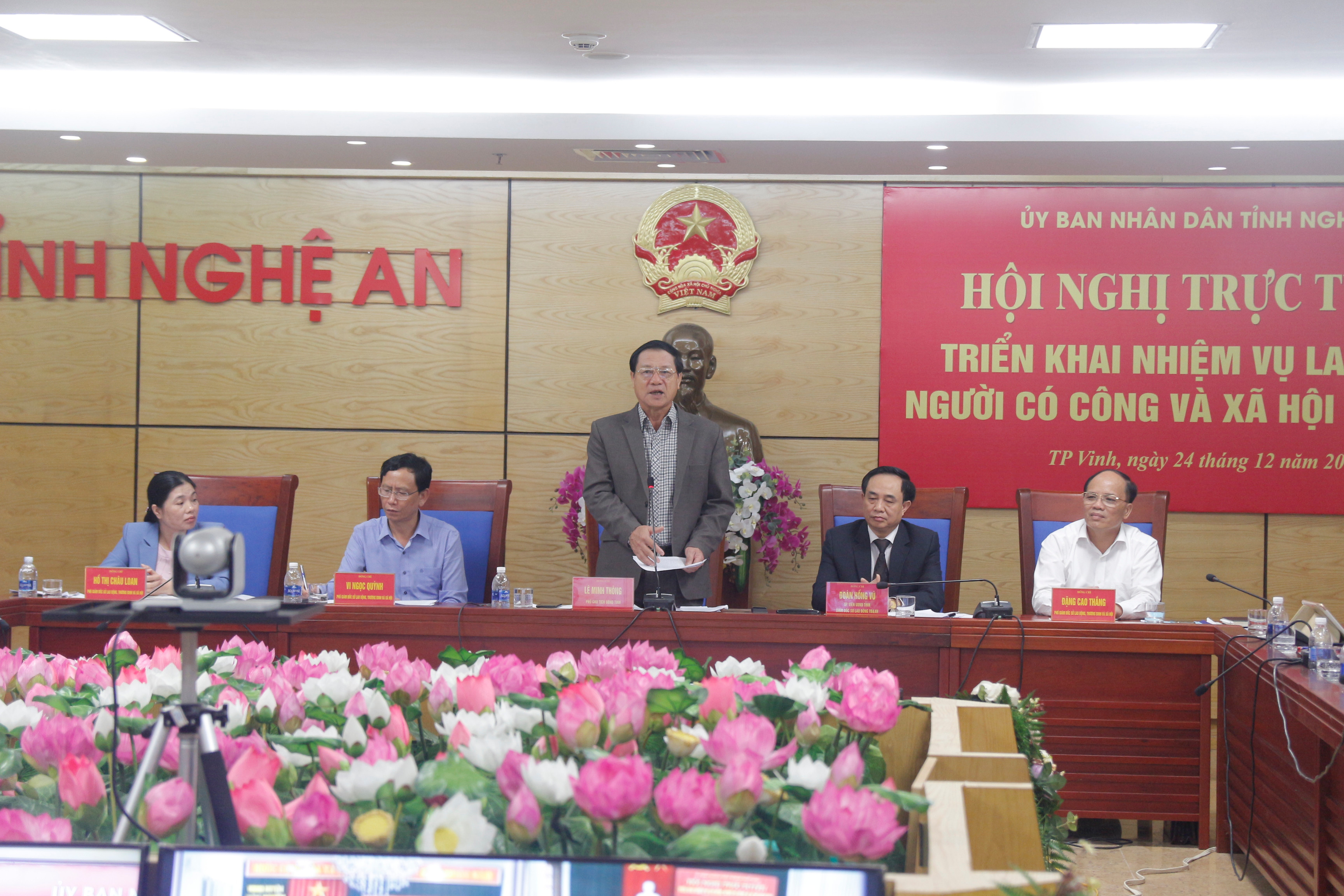 |
| Comrade Le Minh Thong delivered the concluding remarks at the conference. Photo: Thanh Nga |
Concluding the conference, Comrade Le Minh Thong affirmed that over the past year, the Department has strengthened coordination with other departments, agencies, and localities to fully implement and successfully complete the year's goals and targets. He suggested that in the coming period, the sector should continue to promote propaganda work and raise awareness among all levels, sectors, and the people about the strategic goals of social security of the Party and State in the current period.
Effectively implement targets and tasks, especially in sensitive areas; resolve outstanding applications for recognition of meritorious individuals; provide vocational training to meet labor market demands; and repatriate workers residing illegally in South Korea...
In the coming period, departments and agencies need to strengthen external relations to attract investment resources for their respective sectors; enhance coordination in leadership and direction among provincial departments, agencies, and organizations to create consensus in implementing tasks and targets in the field of social security.