

The collective economy contributes nearly 7% to the total product of Nghe An province.
(Baonghean.vn) - After 15 years of implementing Resolution No. 13-NQ/TW, the collective economic sector of Nghe An has undergone positive changes in both quality and quantity.
On the afternoon of April 12th, the Steering Committee for the Development of Collective Economy held a meeting to hear and provide feedback on the draft report summarizing 15 years of implementing Resolution No. 13-NQ/TW of the IXth Central Committee of the Communist Party of Vietnam on continuing to innovate, develop, and improve the efficiency of the collective economy. Comrade Dinh Viet Hong, Vice Chairman of the Provincial People's Committee and Head of the Steering Committee, chaired the meeting.
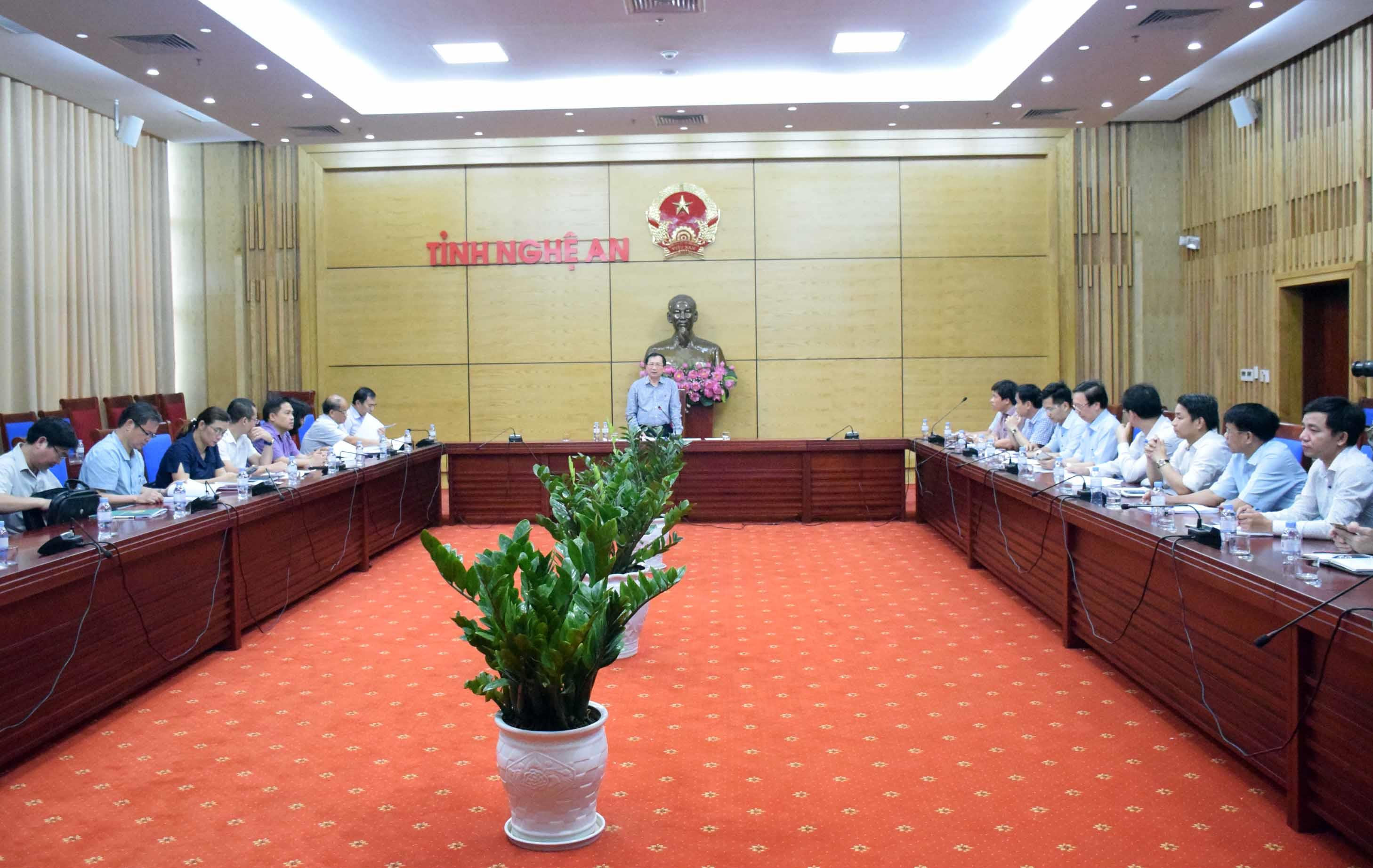 |
| Overview of the meeting. Photo: Xuan Hoang |
After 15 years of implementing Resolution No. 13-NQ/TW, the collective economic sector of Nghe An has undergone positive changes in both quality and quantity.
The contribution of the collective economy to the province's GRDP is increasing (in 2003, the collective economy contributed 4.8% to the province's GRDP; in 2018, it is estimated to reach 6.8%).
The Nghe An Provincial Party Committee and People's Committee have issued numerous documents to concretize and institutionalize Resolution No. 13, conclusions and directives of the Central Committee, the Law on Cooperatives, etc., to organize the development of projects and plans for innovation and development of the collective economy and cooperatives, especially in the agricultural sector; and to apply the State's guidelines and policies on the development of the collective economy in accordance with the province's actual conditions.
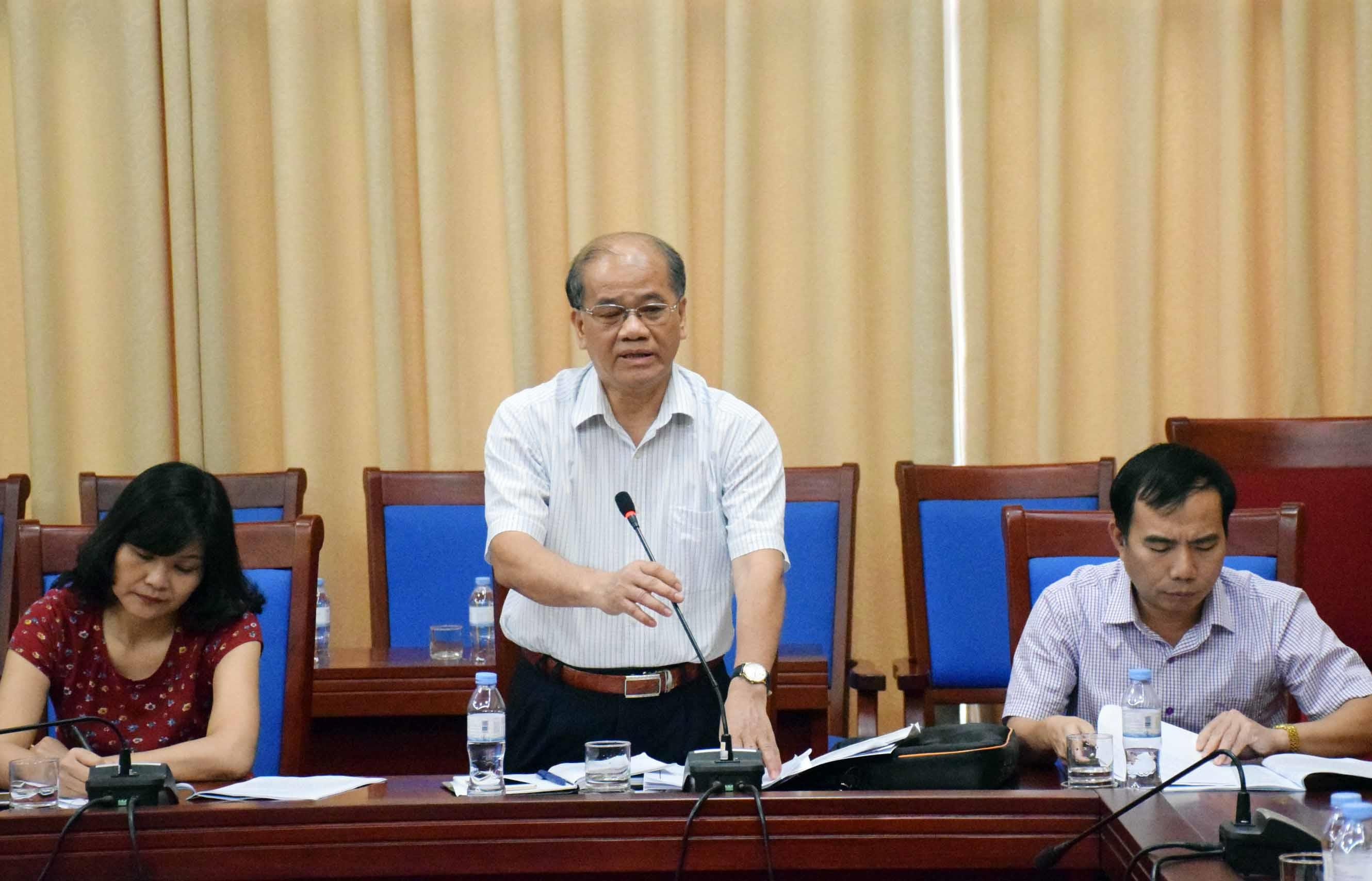 |
| Comrade Le Phuc An - Chairman of the Provincial Cooperative Union - contributed his opinions at the meeting. Photo: Xuan Hoang. |
Service cooperatives better meet the needs of people for production and daily life supplies; credit funds contribute fundamentally to the capital needs for production and business; industrial and handicraft cooperatives continue to maintain traditional trades and develop some new trades.
State management of the collective economic sector has been strengthened, and some difficulties and obstacles facing the collective economy have been addressed by various levels of government. Several mechanisms and policies from the central and local governments continue to be implemented effectively, creating favorable conditions for the development of collective economic models and cooperatives, contributing positively to the construction of new rural areas.
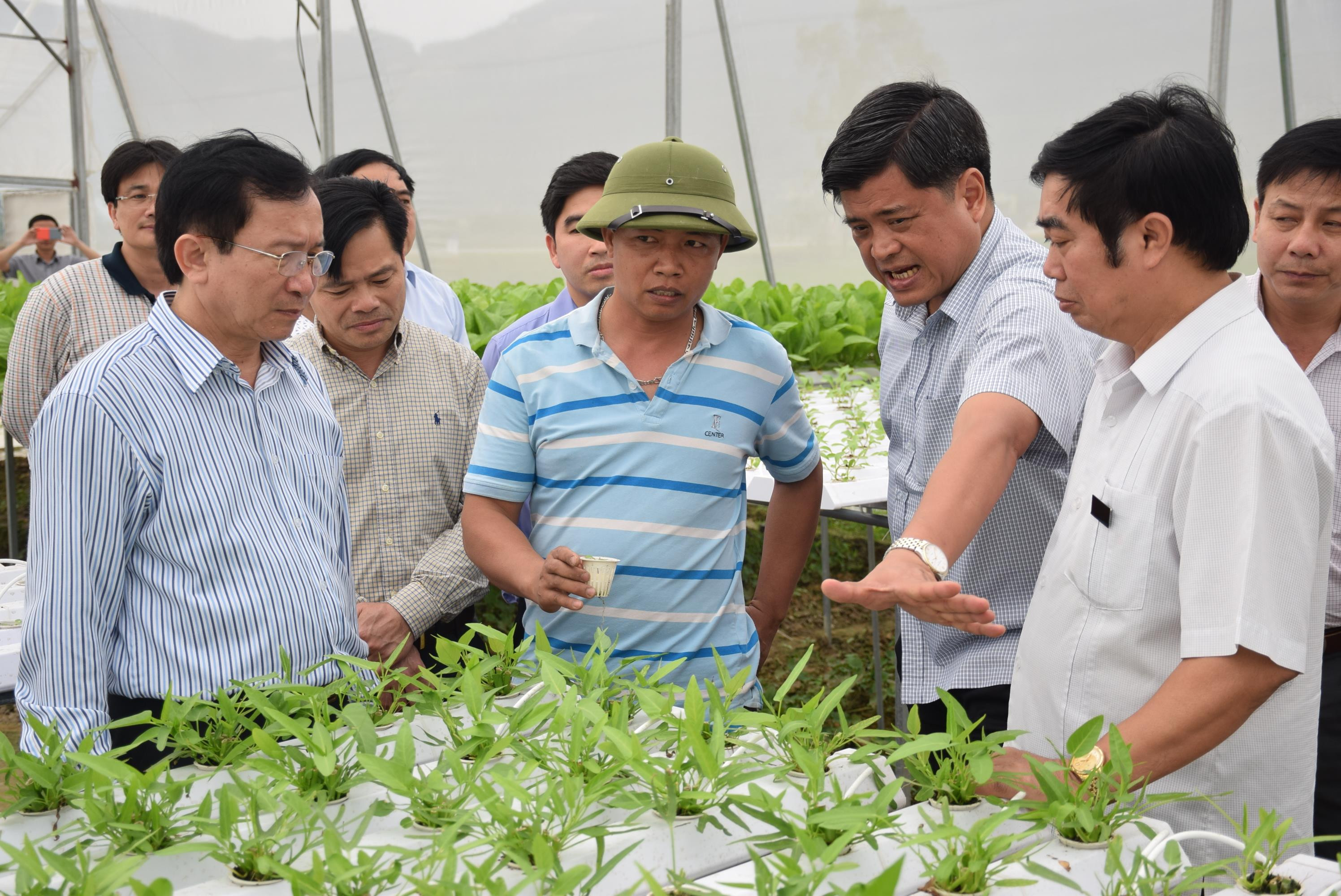 |
| The Deputy Minister of Agriculture and provincial leaders visit a clean vegetable production cooperative in Nam Anh commune (Nam Dan district). Photo: Xuan Hoang. |
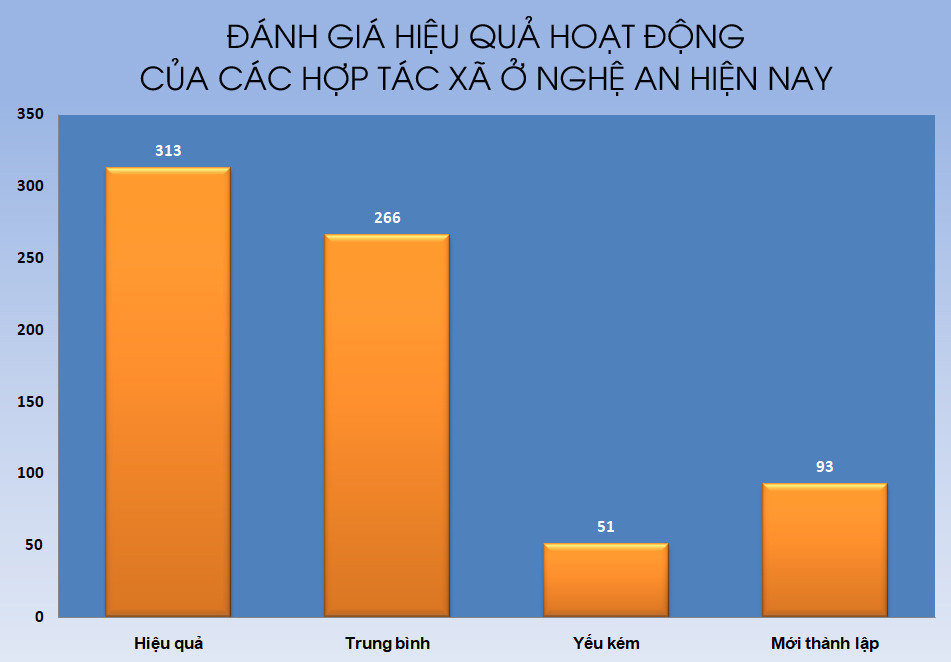 |
| Graphics: Lam Tung |
Concluding the meeting, Vice Chairman of the Provincial People's Committee Dinh Viet Hong requested the Department of Planning and Investment to incorporate the feedback and finalize the draft report, ensuring consistency in data. The report should specifically assess the quality of operations of cooperatives and cooperative groups; highlight difficulties and obstacles that need to be addressed, such as capital, land, infrastructure, and human resources, in order to advise on appropriate support policies that suit the practical realities of their operations.