

To turn Nghe An's culinary culture into a tourism product.
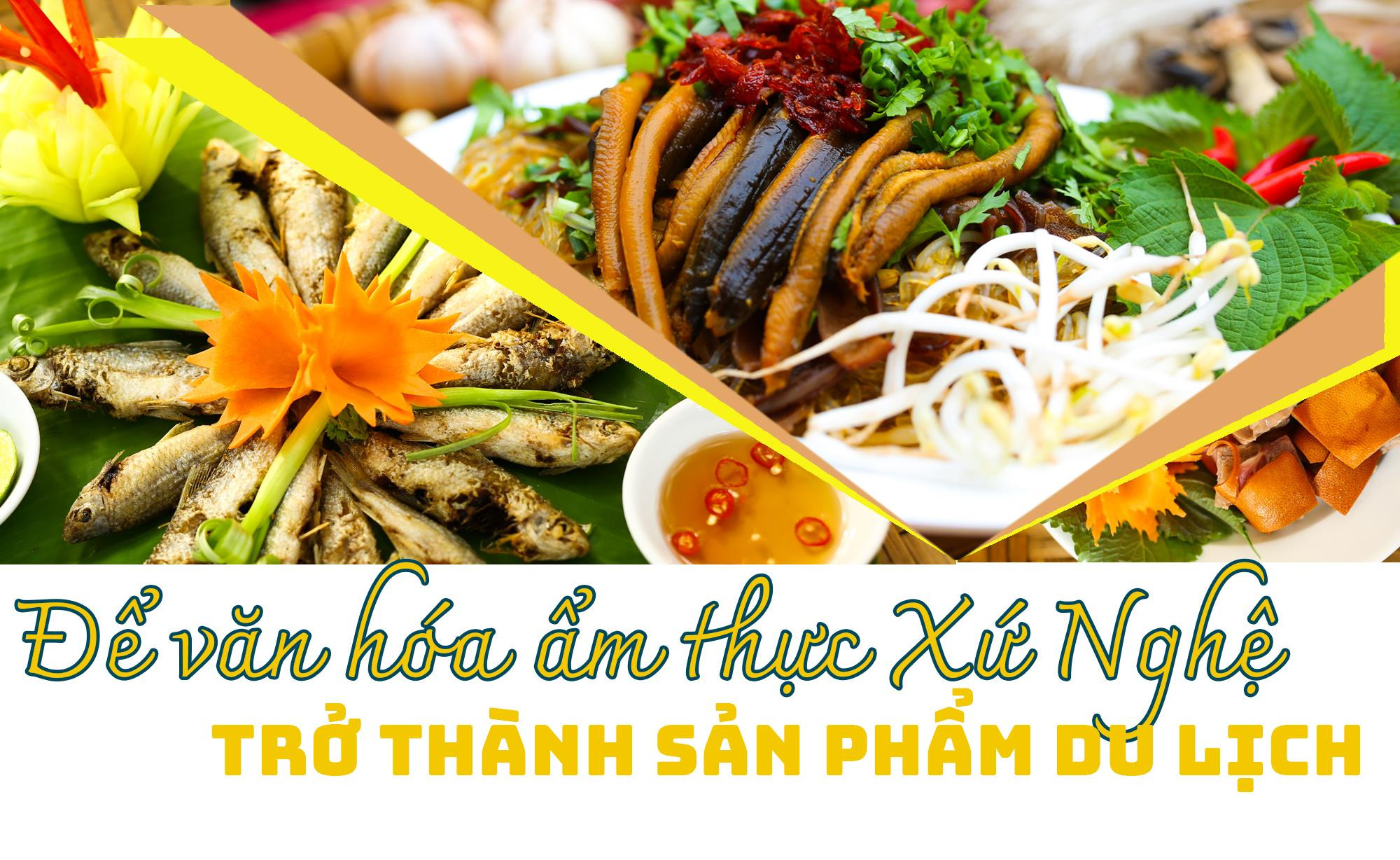
(Baonghean.vn) - Cuisine is one of the important tourism resources, a positive tool in positioning the image and building the tourism brand of a locality. When tourists enjoy a particular dish, they will immediately think of the region that produces that specialty.
 |
To attract tourists and impress them, in addition to improving the quality of services, a very important factor is experiencing traditional and distinctive regional cuisine, which will enhance and increase the value of the trip. Therefore, it is essential to develop the culinary culture of Nghe An province to become a unique tourism product.
Elevating the value of Nghe An cuisine.
The mountainous region of Hong Mountain and the Lam River has long been known for its harsh conditions, thus fostering a strong character and personality in its people. The culinary culture also possesses unique characteristics that reflect the distinct style of the people of Nghe An.
People in Central Vietnam are simple, hardworking, and famous for their everyday, rustic dishes. These include dishes like fermented bamboo shoots and soy sauce – ordinary vegetables, roots, and other common ingredients found everywhere. However, in Central Vietnam, particularly Nghe An, these dishes stand out as unique specialties. Only those who have visited and become attached to this land and its people can truly appreciate the distinctive character of Nghe An's cuisine.
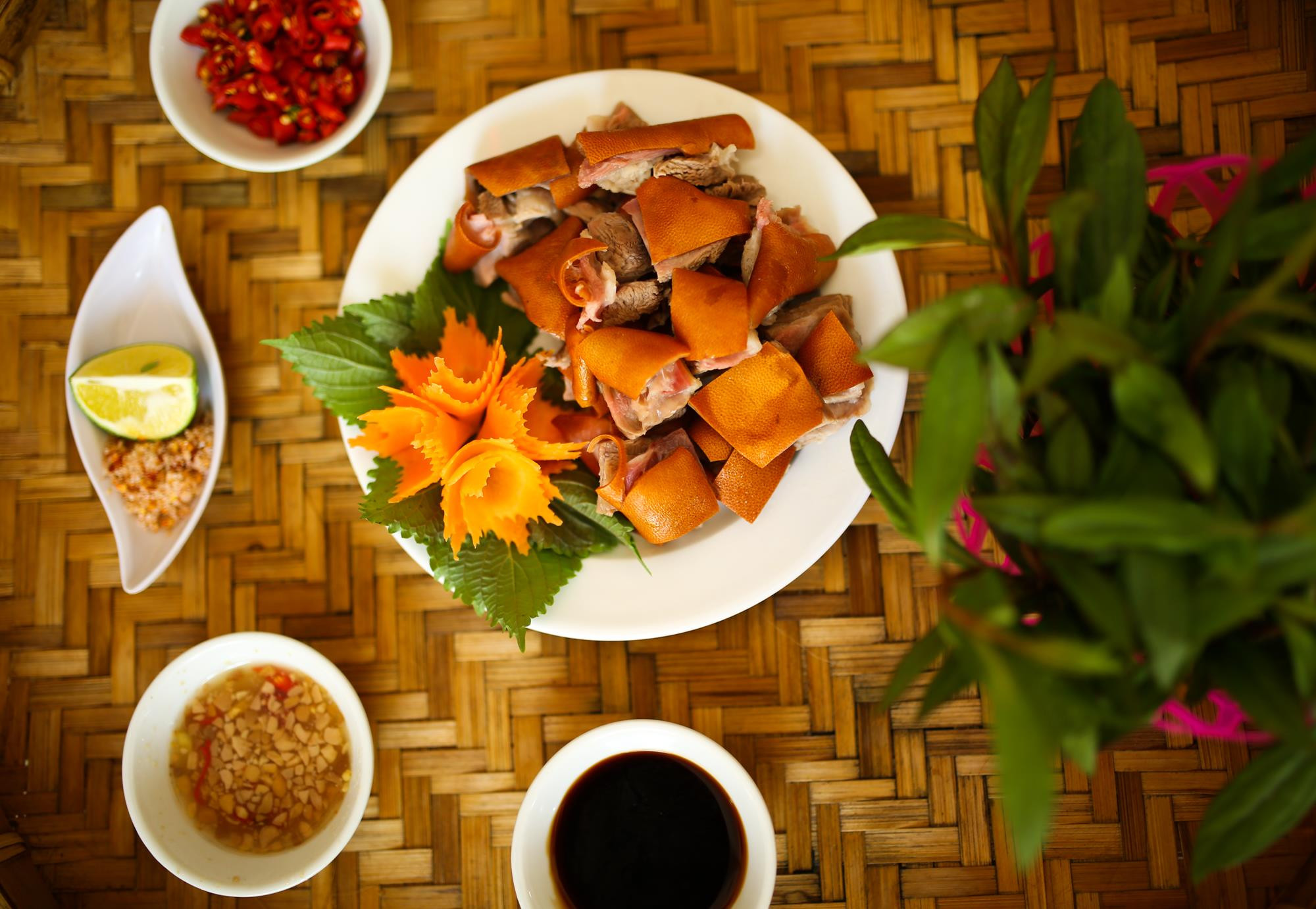 |
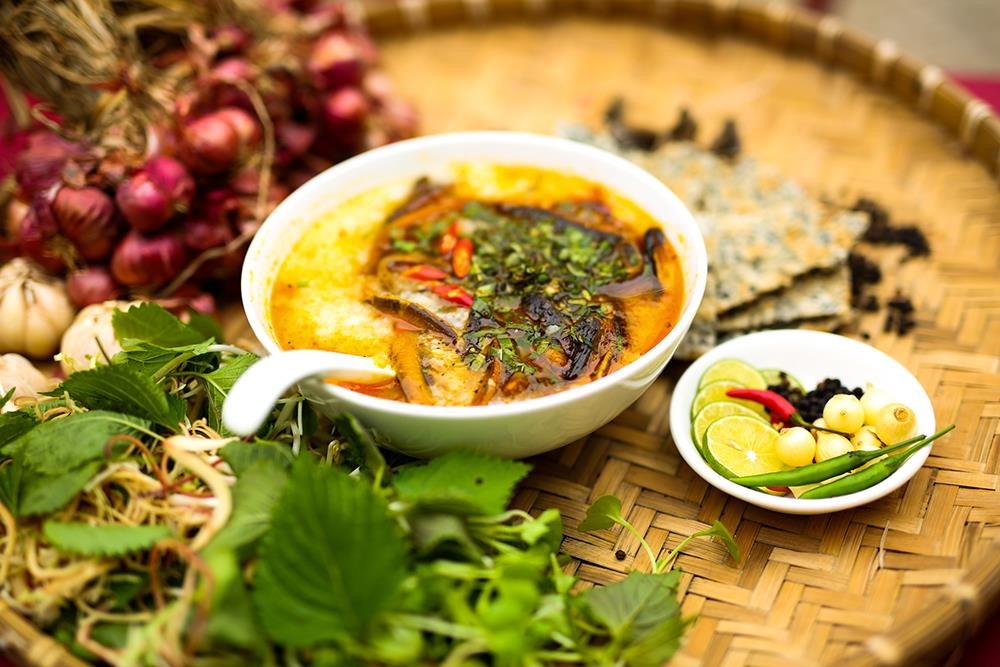
The dishes are not elaborate or fancy in their preparation, but rather simple and down-to-earth, just like the hardworking and diligent people of this region. The most famous dishes in Nghe An are also the simplest ones, such as Thanh Chuong fermented bamboo shoots, Nam Dan soy sauce, eel, beef (with tamarind), goat meat, rice crackers, thorny rice cakes, steamed rice rolls… and many other specialties from the mountains and forests of western Nghe An.
Over the years, using simple ingredients but with the distinctive spices of this land, delicious dishes have been created that leave a lasting impression on diners. Some dishes have even enticed tourists to return to Nghe An a second time or more. Therefore, Nghe An cuisine has been and continues to affirm its place in the hearts of diners.
Eel dishes have been recognized by the Asian Record Organization as one of the 12 Vietnamese dishes to achieve an Asian record, and by the Vietnam Record Book Center as one of the Top 50 famous Vietnamese specialties. Furthermore, eel dishes from Nghe An are available in most eateries and restaurants nationwide.
 |
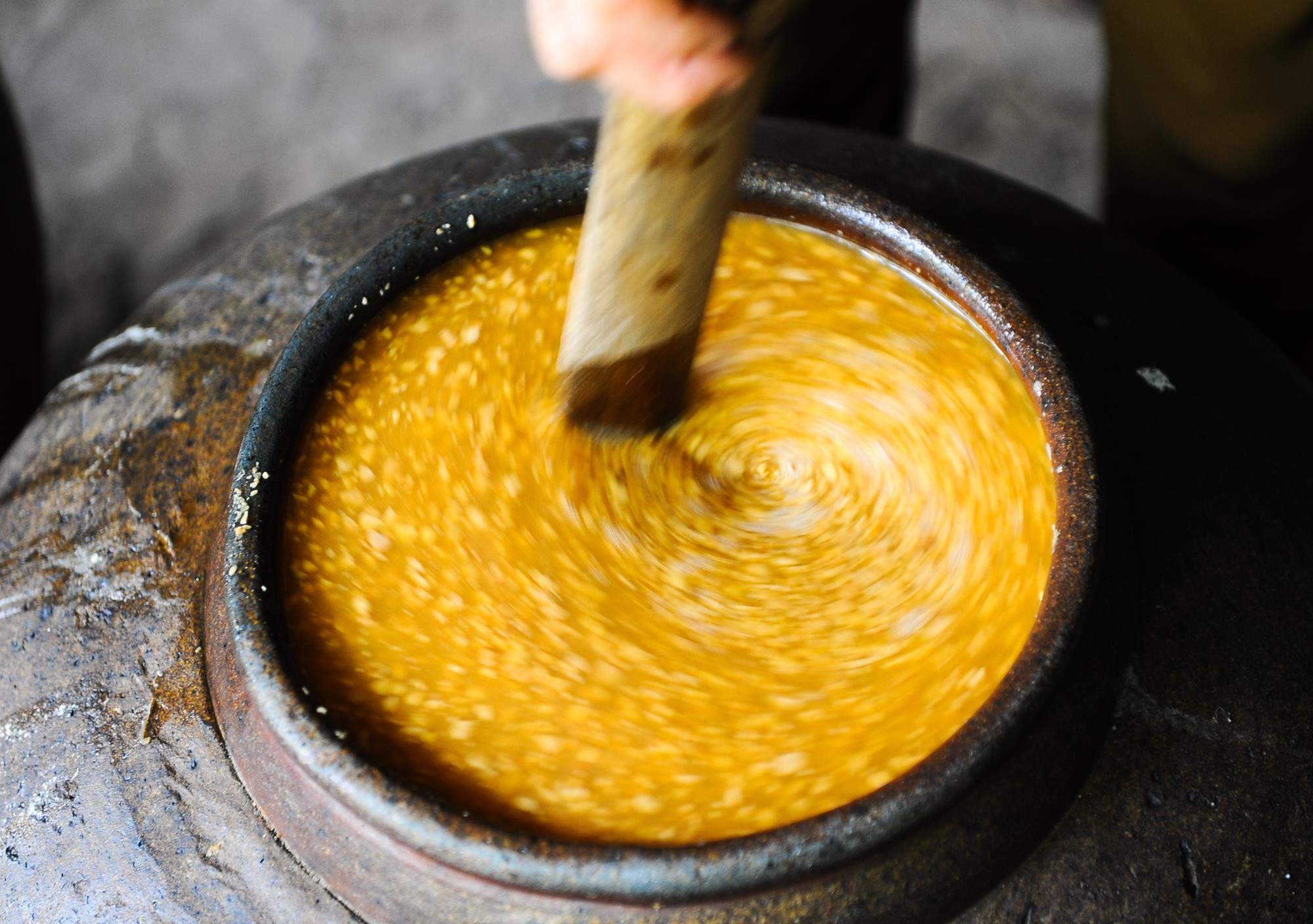
Notably, in 2018, eel dishes from Nghe An were featured in 5-star hotel chains in Ho Chi Minh City. Nam Dan soy sauce was also recognized by the Vietnam Record Organization as one of the Top 10 famous Vietnamese dipping sauces and condiments.
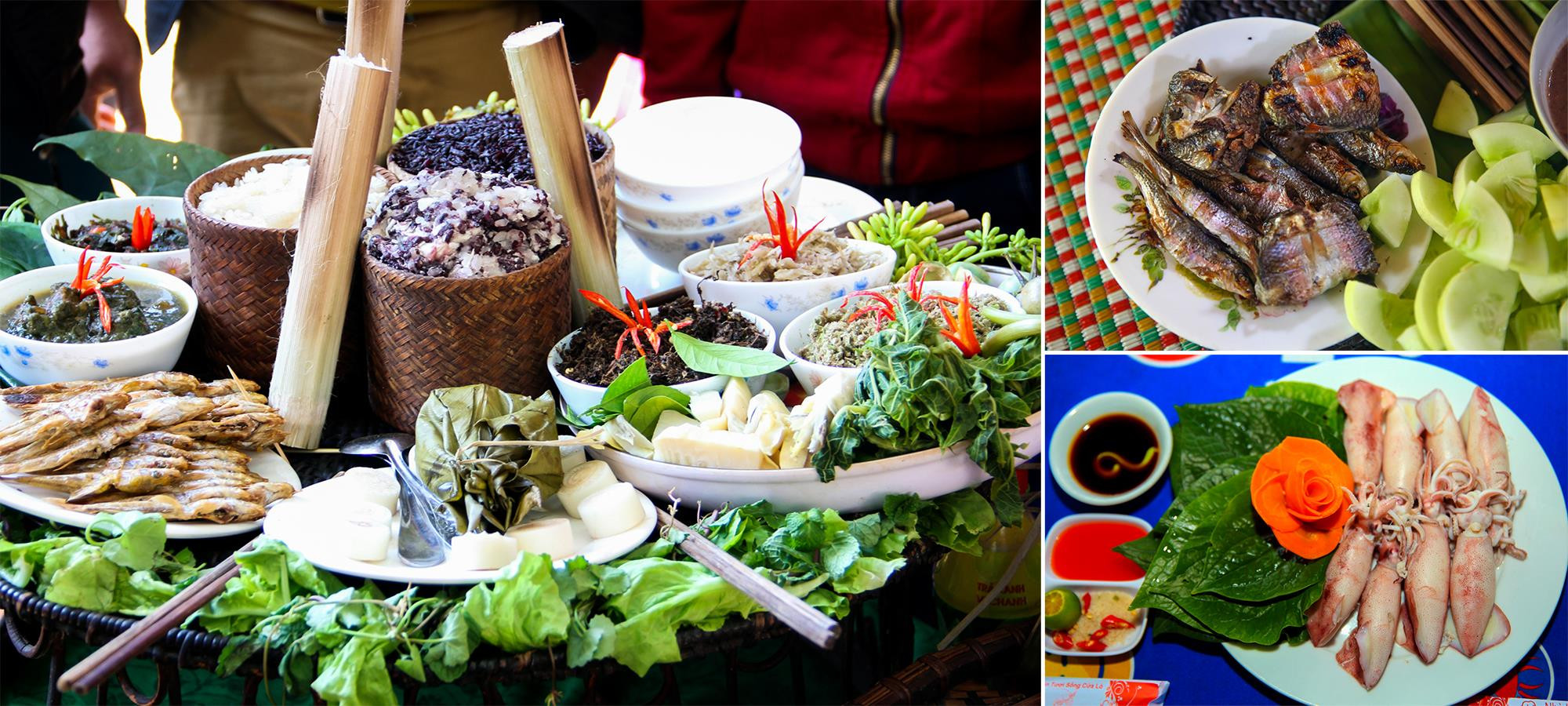
In addition, dishes such as Cua Lo squid have also been recognized by the Vietnam Record Organization as one of the Top 10 famous seafood specialties of Vietnam. The moderate salinity of the seawater makes seafood dishes from the coastal areas of Nghe An tastier and sweeter than those from other coastal regions.
As for fruits, Nghe An province is blessed with suitable soil and climate, resulting in many delicious and sweet fruits such as Vinh oranges, Tuong Duong mangoes, Quynh Luu pineapples, Nghia Dan guavas, Que Phong passion fruit... Among them, Vinh oranges are recognized by the Vietnam Book of Records as one of the Top 50 famous fruit specialties of Vietnam.
 |
To create new tourism products that promote rapid and sustainable tourism development, and to build unique and attractive tourism products, culinary tourism is a worthwhile area for research and development by all sectors, including the tourism industry. Although cuisine belongs to the realm of culture, its characteristics and usefulness make it essential to integrate it into tourism activities, especially the delicious and distinctive cuisine of Nghe An. To establish Nghe An cuisine as a distinct tourism attraction and to establish a clear development direction, the collaboration of various agencies and departments is necessary.
Food festivals should be organized.
Besides allowing tourists to freely explore and experience the distinctive cuisine of Nghe An during their trips, Nghe An needs to find solutions to transform these specialties into culinary masterpieces prepared by skilled artisans or professional chefs.
To develop culinary tourism, it's essential to train skilled chefs. A tourism service chain that doesn't focus on the culinary aspect becomes a drawback in the eyes of tourists. If tourism development doesn't celebrate cuisine, it lacks appeal. Therefore, it's necessary to create the most attractive dishes to draw visitors, promote them better, and associate them with local brands so that when people mention eel dishes, veal sausage, Nam Dan soy sauce, Thanh Chuong fermented bamboo shoots, Anh Son sticky rice cakes, etc., they know it's from Nghe An.
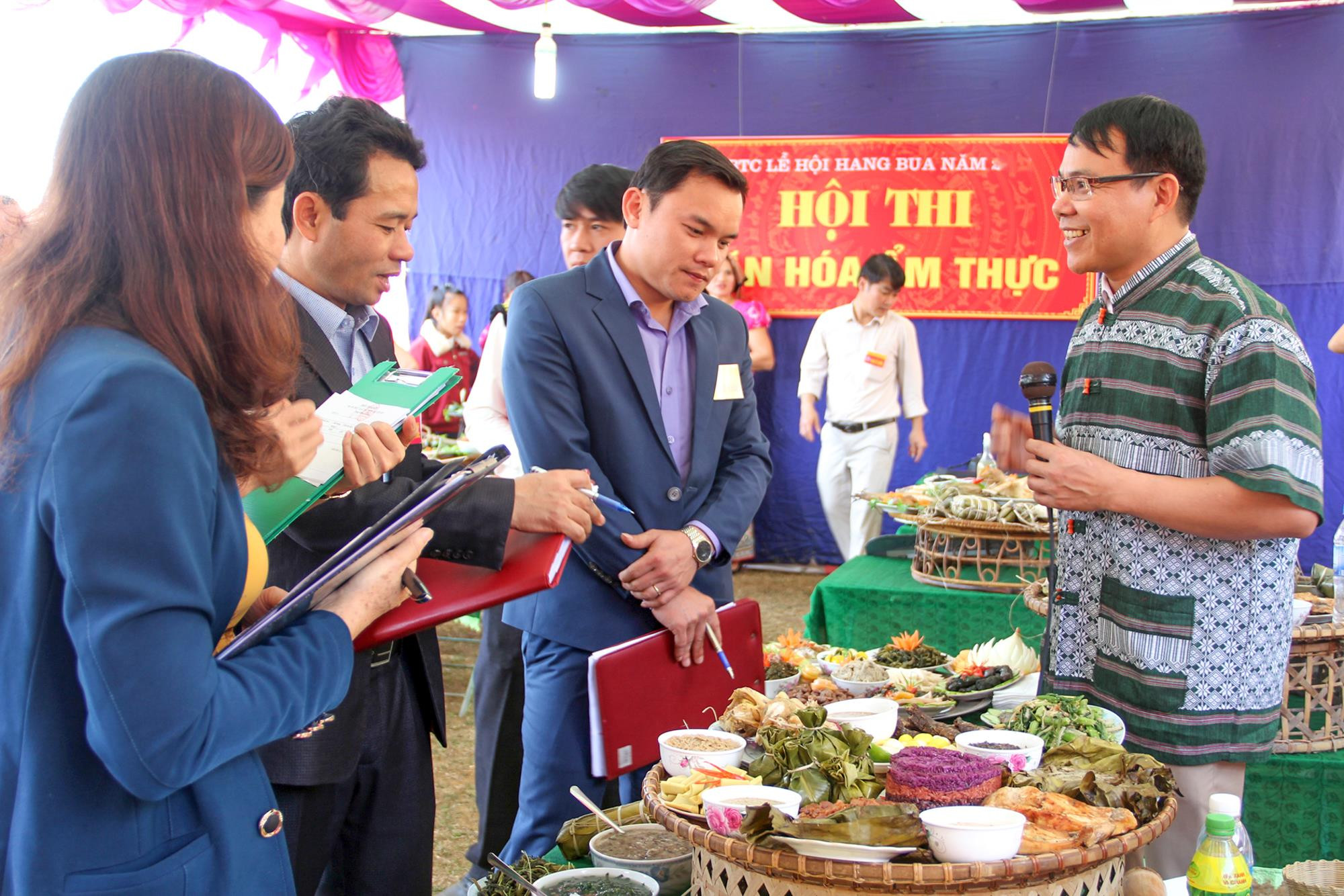 |
To enhance the value of Nghe An's cuisine, the tourism industry has proactively organized cooking competitions within accommodation establishments throughout the province, as well as the Nghe An International Culinary Culture Festival and the North Central Region Culinary Culture Festival. These events provide chefs with opportunities to learn, exchange ideas, and improve their cooking skills, while also promoting and introducing Nghe An's culinary delights to a wider audience of tourists. Through these culinary festivals, the dishes and specialties are key elements that represent the region's identity and have significant value.
 |
In today's context, where cuisine is becoming increasingly important in travel, the dishes at destinations, or local specialties, are being showcased at food festivals and events, attracting considerable interest from tourists. The goal for diners is to experience unique and distinctive dishes, seeking novelty and flavor, and enjoying culinary delights in festive settings.
 |
Therefore, in order to enhance the value and develop culinary culture into a tourism product to attract tourists to participate in experiences, relevant sectors and localities need to coordinate with the tourism industry to research the following contents in order to advise on the effective organization of food festivals.
Firstly, the desire of diners to experience novelty and unique culinary delights will positively impact their behavior. Therefore, a good solution is to preserve and develop distinct culinary cultures to attract tourists and encourage them to return and explore.
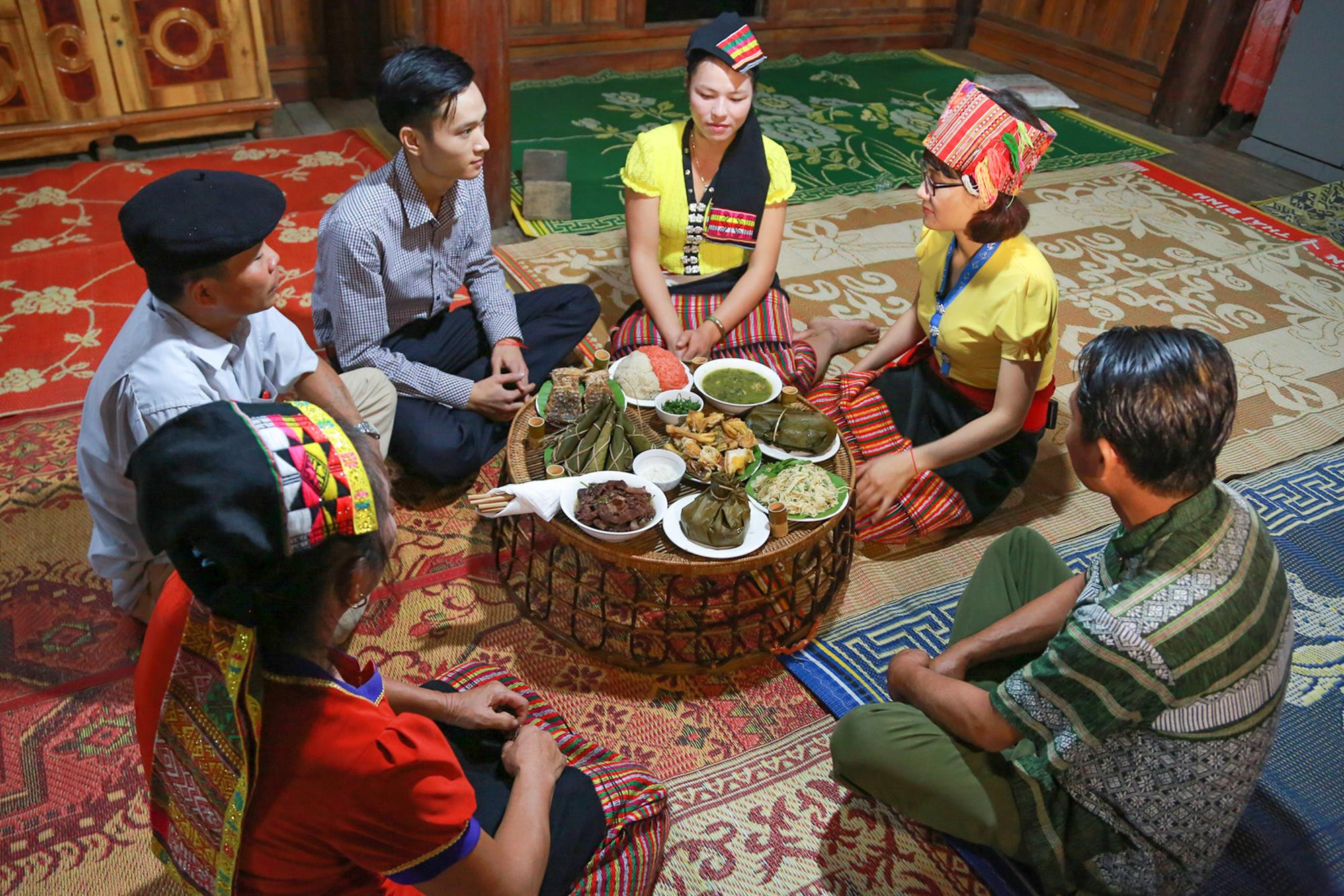
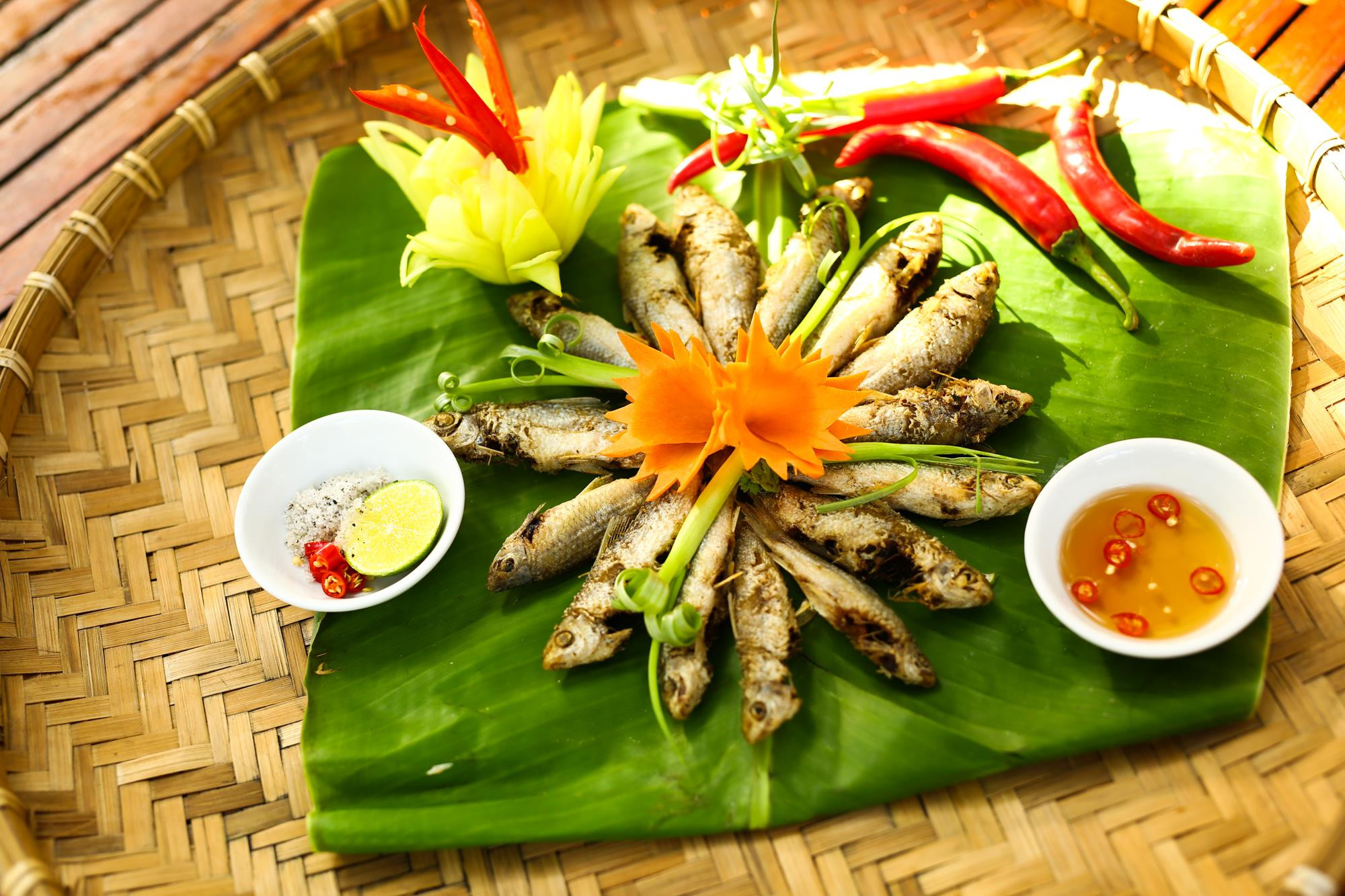
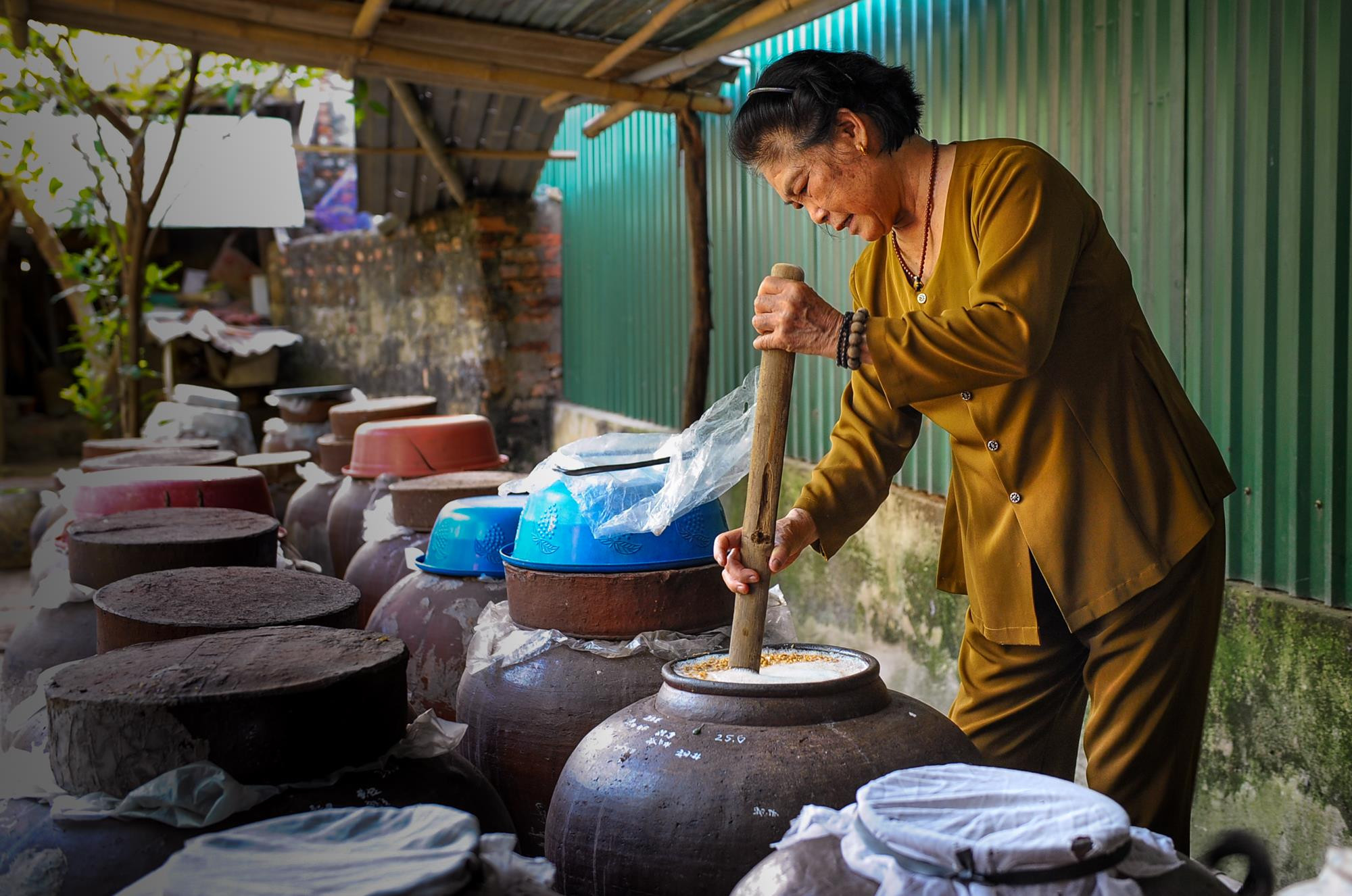
Once tourists fall in love with the cuisine of Nghe An and participate in the Nghe An Food Festival, they will want to return because they feel the pleasant, interesting, and unique flavors of the dishes – the "soul" of the Food Festival. Therefore, organizers must focus on developing programs within the framework of the festival that connect with diners, not only allowing them to enjoy the dishes but also to experience the process of preparing the local specialties.
 |
Whether tourists return to specific cuisines or food festivals depends on internal factors such as personal needs and health status, or external factors such as money and time. Understanding this allows managers to implement appropriate and effective strategies.
When tourists have the idea of wanting to return to a place because of its unique cuisine, they are motivated to turn that desire into action. To attract this type of visitor, food festivals must have a strategy to attract tourists.
 |
Finally, to develop the culinary tourism industry, all levels and sectors must have appropriate strategies to attract and influence tourists to actively participate in food festivals. Tourists are increasingly interested in experiencing the unique features of dishes, experiencing cuisine prepared locally or cooked according to the specific recipes of different regions.
In the tourism service chain, cuisine plays a crucial role, determining the development of tourism. Therefore, solutions are needed to elevate and promote the cultural value of cuisine in conjunction with sustainable tourism, serving the tourism industry.