

Director of the Department of Internal Affairs: Merging villages and hamlets should be done urgently but not rigidly.
(Baonghean.vn) - According to the Director of the Department of Internal Affairs, Dau Van Thanh, the merger of hamlets and villages is being implemented urgently but cautiously, avoiding left-leaning or rigid approaches.
Clarifying the issues of concern raised by delegates during the plenary session on the morning of July 11th, at the 9th session of the 17th Provincial People's Council, regarding the merger of hamlets and villages, the Director of the Department of Internal Affairs, Dau Van Thanh, affirmed that this is a difficult and sensitive matter requiring attention. Therefore, in addition to documents from the Provincial People's Committee, the Department of Internal Affairs has invited local leaders to a direct meeting to disseminate information, present viewpoints and objectives, and discuss implementation plans.
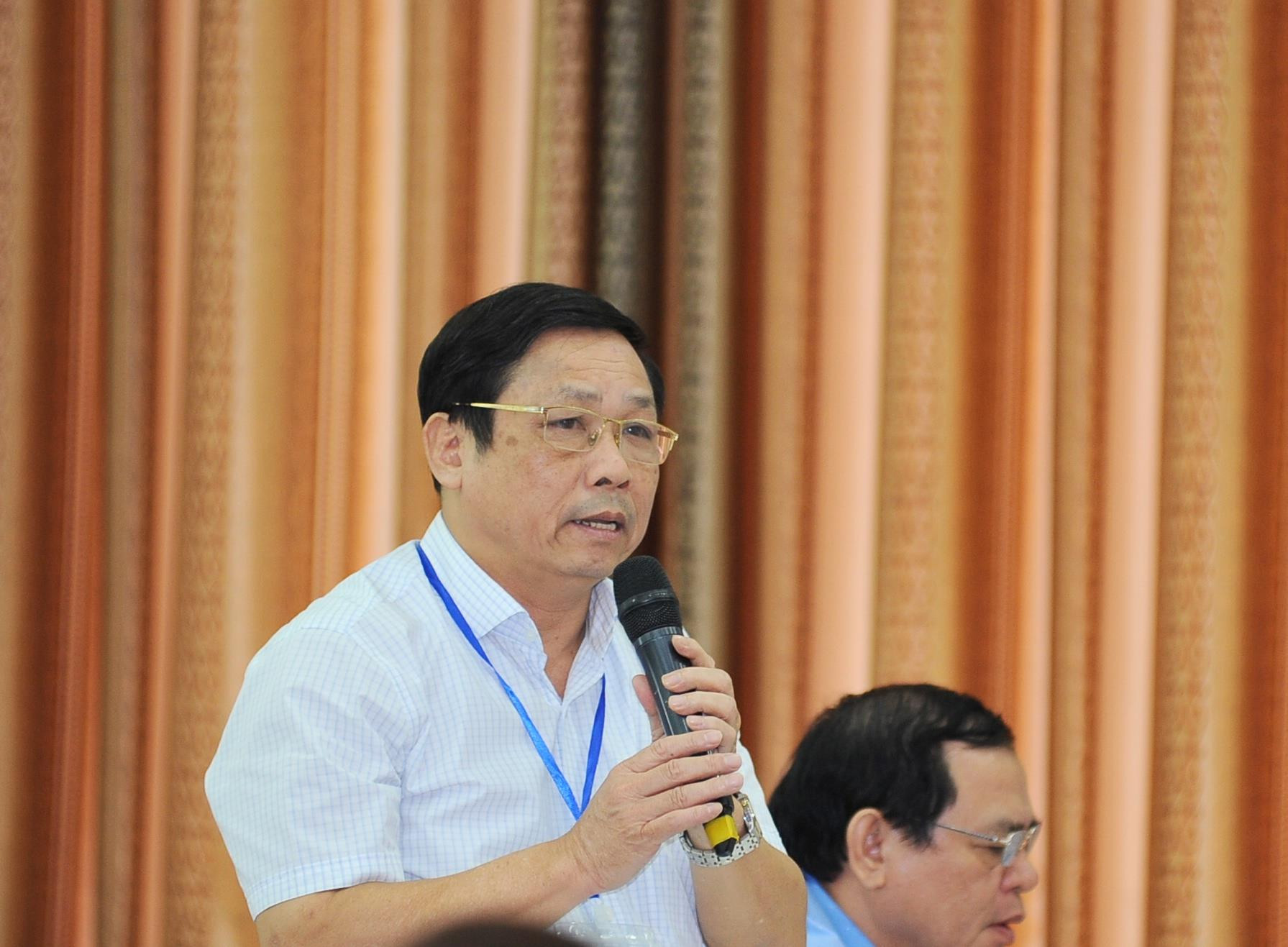 |
| Director of the Department of Internal Affairs, Dau Van Thanh, responded to and clarified the concerns raised by delegates regarding the merger of villages, hamlets, and residential areas. Photo: Thanh Cuong |
During the merger process, the Department of Internal Affairs adhered to Circular 14 of the Ministry of Internal Affairs, which considered specific factors such as geographical location, topography, customs, residential areas within the land clearance zone, population relocation plans, isolated and fragmented villages, and difficult transportation access, etc., in order to make informed decisions and avoid biased or rigid approaches that could lead to negative consequences and complications after the merger.
"With a very urgent but cautious approach, strong political determination, and resolute leadership in implementing the resolution, the process must be democratic and the people must agree," the head of the Ministry of Interior emphasized.
According to Mr. Thanh, in its role as an advisory unit to the Provincial People's Committee, the Department of Internal Affairs has anticipated the difficulties, consequences, and issues arising after the merger regarding the organizational structure, office buildings, administrative boundaries, and individual administrative procedures, in order to develop appropriate solutions.
During the systematic implementation of the prescribed steps, any unit facing difficulties or lacking public consensus will not be approved.
Regarding the regulations and policies for village and hamlet officials, the head of the provincial Department of Internal Affairs stated that the Government has issued Decree 34 dated April 1, 2019, which clearly stipulates that the Ministry of Internal Affairs, the Ministry of Finance, and the Ministry of Labor, Invalids and Social Affairs are tasked with guiding its implementation, and this Decree takes effect from June 25, 2019.
Decree 34 amends and supplements several articles, stipulating that the number of commune officials is 23 for type 1 communes, 21 for type 2 communes, and 19 for type 3 communes. Accordingly, regulations on allowances for village and hamlet officials are issued.
According to Government Decree 34, at the hamlet level, there should be no more than three officials: the Party branch secretary, the hamlet head, and the head of the Fatherland Front working committee. Officials from specialized committees are not included in the specific staffing quota.
To date, the Ministry of Interior has not issued guidelines for implementing Government Decree 34. After specific guidelines are issued, the Department of Interior will submit a proposal to the Provincial People's Committee to issue regulations on allowances for village and hamlet officials in the province.
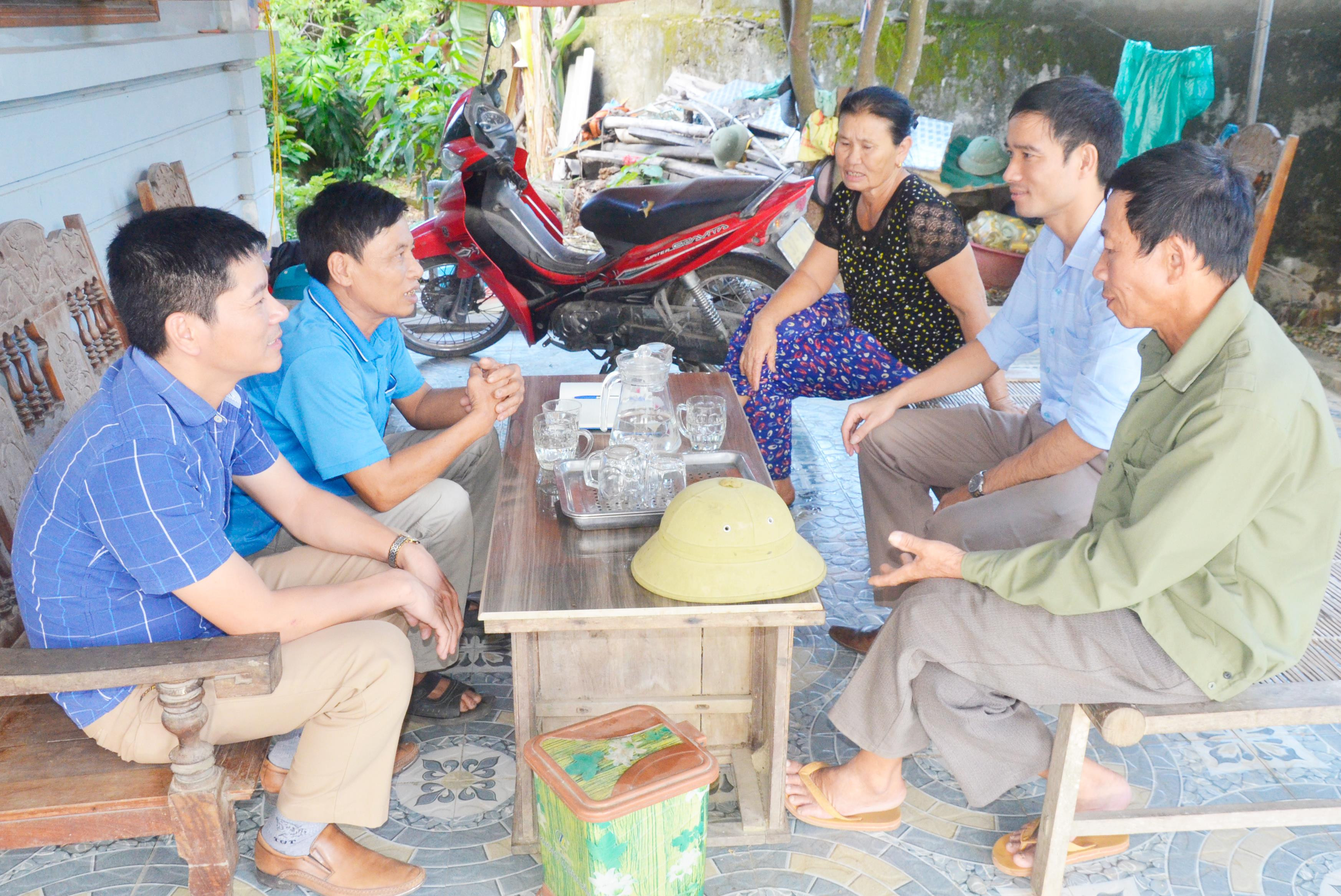 |
| Officials from Nghi Loc district discuss the merger of hamlets with residents of Hamlet 1, Nghi Hop commune. Photo: Thanh Le |
Regarding the difficulties and obstacles encountered in the merged areas, the Director of the Department of Internal Affairs affirmed that the unit will work with the districts to thoroughly review the arising issues and consequences in order to find specific solutions to address the surplus of officials, their entitlements, policies, allowances, and the use of facilities, offices, cultural centers, etc.