

African swine fever outbreak persists, and many localities lack land for disposal.
(Baonghean.vn) - African swine fever has lasted for many months, causing economic losses to livestock farmers and the state budget. However, a pressing issue in some localities is the lack of land for disposing of and burying the pigs.
Vinh City is feeling "overcrowded".
The shortage of land for burying pigs infected with African swine fever is causing headaches for many localities in Nghe An province, especially given the increasing number of pigs being culled.
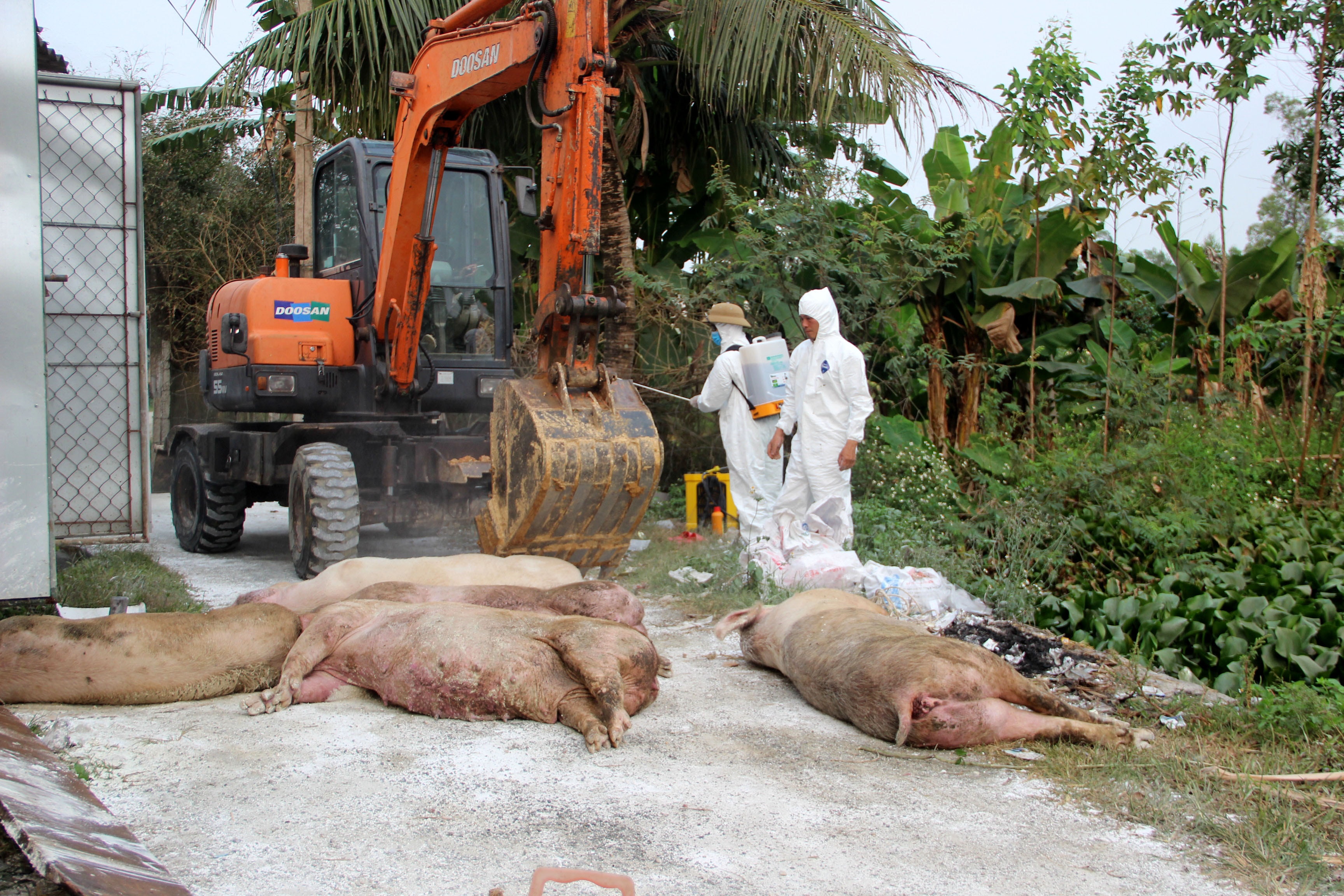 |
| The number of pigs infected with the disease that have to be culled in Vinh City is increasing, leading to a shrinking of available land for culling. Photo: Quang An |
In Vinh City, a densely populated area with houses built close together, finding a suitable space to dispose of pigs infected with the disease is a challenging problem, especially in the wards and communes located in the city center.
In Hung Dung ward, one of the inner-city areas of Vinh, 90 pigs infected with African swine fever have been culled to date, with a total weight of over 3.5 tons. However, finding a burial site that is both far from residential areas and on high ground, not near drainage ditches, is proving very difficult.
Mr. Nguyen Phuc Trang, Vice Chairman of the People's Committee of Hung Dung Ward, said: "For farms with infected pigs, we carry out on-site disposal to both prevent the spread of the disease and save land. For the small number of dead pigs at individual households, we have to move them to the ward's cemetery for disposal. If the disease continues to develop complicatedly in the coming time, and the number of dead pigs increases, determining a location for disposal will be difficult, especially given the limited land resources of the city."
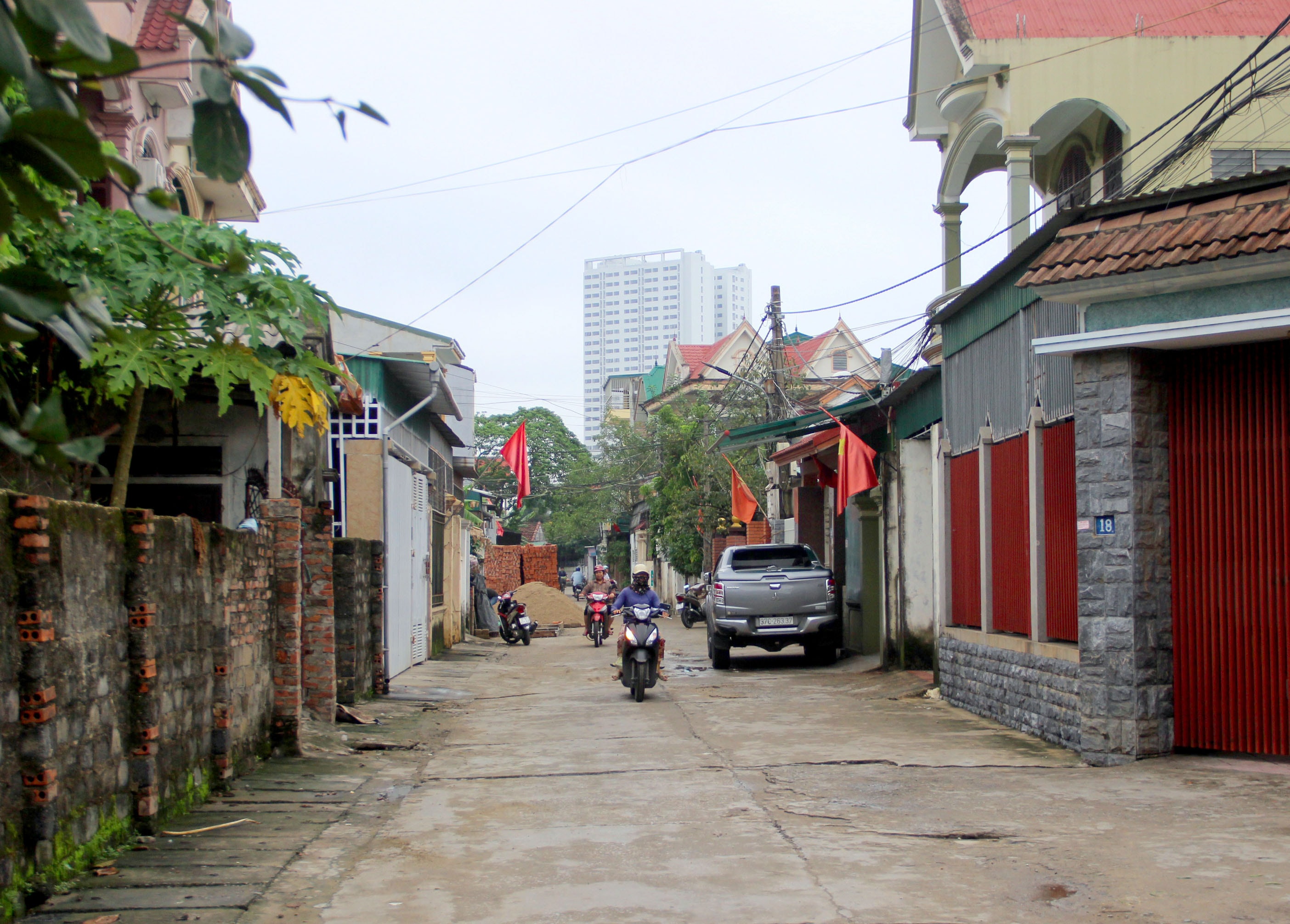 |
| Quang Tien Hamlet, Hung Binh Ward (Vinh City) is where pigs died due to disease but there is no land to dispose of them. Photo: Quang An |
In Hung Binh ward, located in the heart of Vinh city with a high population density, finding a plot of land to dispose of dead pigs is "impossible".
In early October, at the household of Mr. Dau Van Xuan in Quang Tien ward, six pigs died with a total weight of nearly 400 kg. The Hung Binh ward authorities could not find a place to dispose of the pigs, so they had to contact Nghi Lien commune to "bury them temporarily".
Mr. Ho Viet Thanh, Vice Chairman of the People's Committee of Hung Binh Ward, said: "Due to its location as the central ward of the city, burying pigs within the ward is impossible because we cannot find suitable land, and even if we could, it would negatively impact the environment and residents. We had to ask Nghi Lien Commune (the locality currently experiencing an outbreak) to allow us to bury the pigs in the area where Nghi Lien Commune organizes the disposal of the pigs."
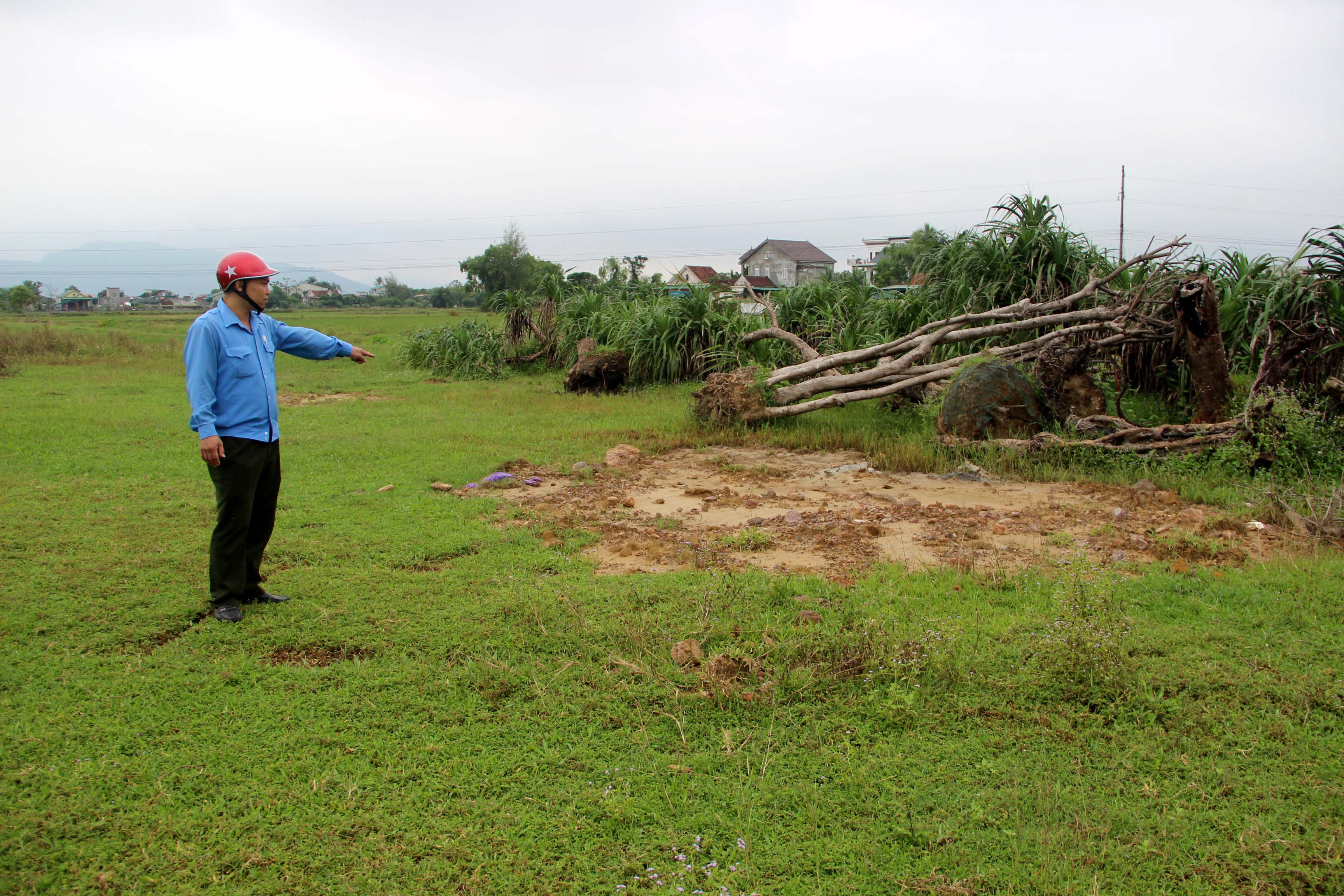 |
| When pigs die, the Hung Binh ward authorities have to contact Nghi Lien commune to find a place to dispose of them. Photo: Quang An |
African swine fever has now spread throughout Vinh City, affecting 16 out of 25 wards and communes. The increasing number of pig deaths due to the infection has left local authorities struggling to find suitable burial sites, especially in the inner-city and central wards and communes. In suburban areas, land availability will also become increasingly limited if the disease continues to spread rapidly in the coming period.
Rural areas are facing difficulties.
Ngoc Son commune (Thanh Chuong district) is not only the locality with the highest number of infected pigs in the district, but also faces significant difficulties in finding suitable locations for disposing of the infected pigs.
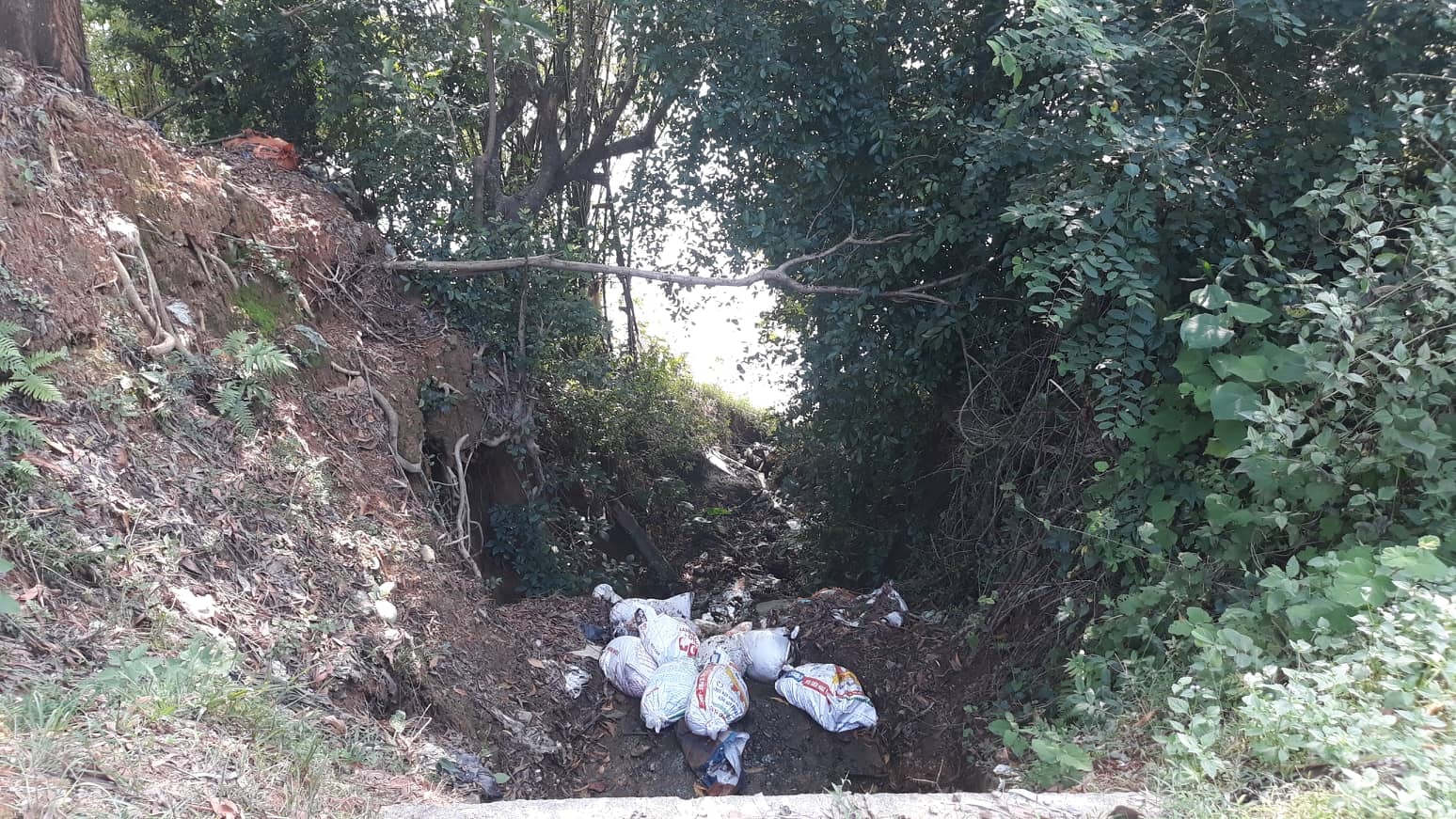 |
| Residents of Thanh Chuong district dump dead pigs on the banks of the Lam River. Photo: Van Ly. |
According to Mr. Thai Van An, Chairman of the People's Committee of the commune, all agricultural and forestry land has been allocated to the people for management and use, leaving no land for burying pigs. Therefore, 330 pigs belonging to residents in the commune were infected with the disease. The commune had to dispose of them in the cemeteries of the hamlets. In some hamlets, due to the limited space in the cemeteries, the pigs had to be disposed of in the melaleuca forests.
Currently, there are approximately 5,000 pigs remaining in the commune. If the epidemic continues, the number of pigs that need to be culled will increase, and many hamlets will run out of land for burial. The cemetery area, already narrow, will be further affected by the need to bury pigs, impacting the burial of the deceased.
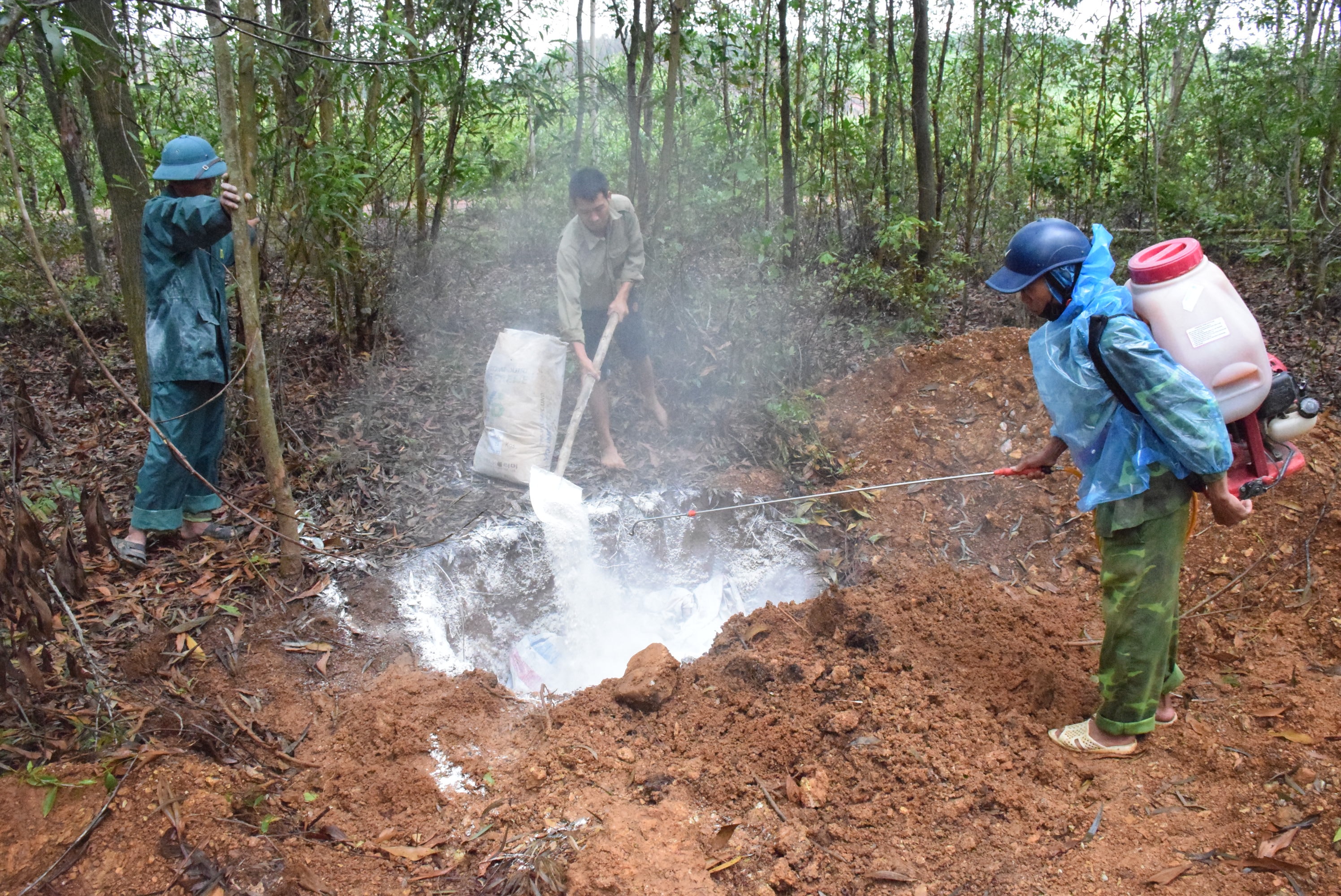 |
| Ngoc Son commune had to cull pigs in the villagers' planted forest area to reduce the burden on the cemetery. Photo: Xuan Hoang |
Similarly, Dong Van commune (Thanh Chuong district) is worried about the lack of environmentally safe burial sites for pigs. Mr. Nguyen Quoc Chuong, Chairman of the Dong Van Commune People's Committee, said: "The entire agricultural land area has been allocated to the people according to Decree 64, so when African swine fever occurs, the locality cannot find a suitable location to dispose of the pigs. However, the commune has planned a centralized pig disposal area, but this area is low-lying and frequently flooded."
Whenever there is heavy rain, the entire pig disposal area is flooded. In such cases, digging pits for pigs to be disposed of is very difficult, forcing the disposal team to drain all the water before they can dispose of the pigs.
Yen Thanh, Dien Chau, and Quynh Luu districts are also facing similar situations, having to bury tons of pigs infected with African swine fever. This requires people and localities to raise their awareness of disease prevention and control more than ever, and to avoid discarding dead pigs indiscriminately, which harms the environment.
African swine fever will continue for an extended period, leading to many communes running out of land for disposing of pigs. Therefore, according to Mr. Ngo Duc Quynh, Deputy Head of the Provincial Department of Animal Husbandry and Veterinary Medicine, district-level People's Committees need to find solutions regarding land allocation so that localities lacking land can have suitable locations for disposing of pigs.