
The European Union extends sanctions against Russia.
The EU has extended sanctions against Russia until October 16, 2021, related to the use and proliferation of chemical weapons, including those concerning the poisoning of Sergei and Yulia Skripal.
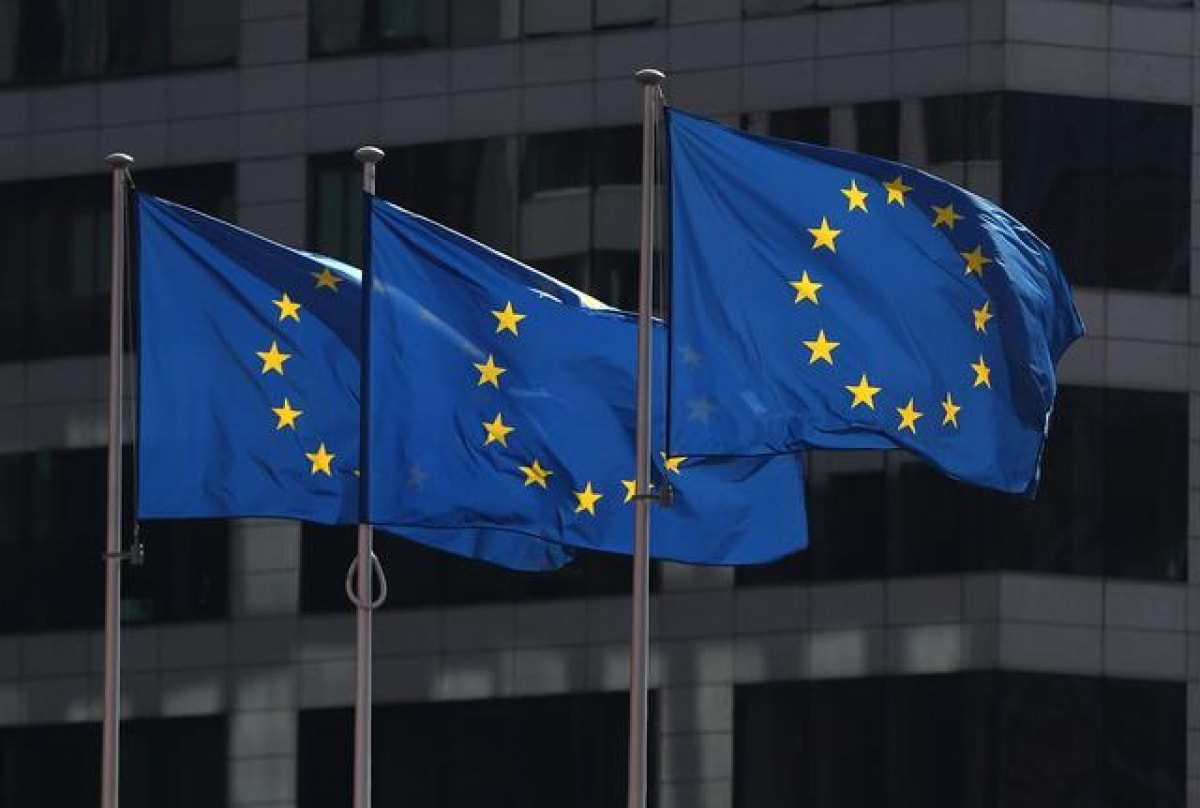 |
| Illustration. |
The EU made a similar decision last October. The sanctions include a ban on entry into the EU for individuals and legal entities, as well as freezing their assets.
Previously, in 2018, Brussels adopted a new mechanism to impose sanctions against "persons involved in the development and use of chemical weapons anywhere, regardless of their nationality and location."
The restrictions include a ban on entry into the EU and asset freezes. Additionally, citizens and organizations in the European Union are prohibited from providing funds to those subject to restrictions. Representatives from European countries stated that the new measures were implemented "within the framework of enforcing security actions following the incident in Salisbury, England."
On March 4, 2018, in Salisbury, England, former intelligence colonel Sergei Skripal, who worked for the British special services, and his daughter Yulia were poisoned. The British side claimed that Russia was involved in the "poisoning" of Skripal with substance A234, which they consider equivalent to "Novichok." Russia vehemently denied all accusations of involvement in the "Skripal case."
On September 5, 2018, the UK Public Prosecutor's Office filed charges against two Russian citizens, Alexander Petrov and Ruslan Boshirov, on four counts, including the murder of the Skripal father and daughter and British police officer Nick Bailey. London claimed that Petrov and Boshirov were employees of the GRU.
vn.sputniknews.com