
Nghe An: Seafood and vegetables sell well, meat sales are sluggish.
(Baonghean.vn) - The emergence of various diseases such as African swine fever and lumpy skin disease in buffaloes and cattle has led consumers to choose safer foods such as seafood and green vegetables.
These days, every fishing trip that the fishermen of Dien Chau return from is filled with laughter because the seafood harvest is abundant and the prices are good.
Mr. Nguyen Van Tung, a fisherman from Dien Ngoc commune (Dien Chau"We are thrilled," he said. "Over the past week, the catch has increased significantly, ranging from 20-30% per trip compared to March. What makes us happiest is that all the seafood arriving at the port is being bought up, so there's no more unsold or low prices like last year."
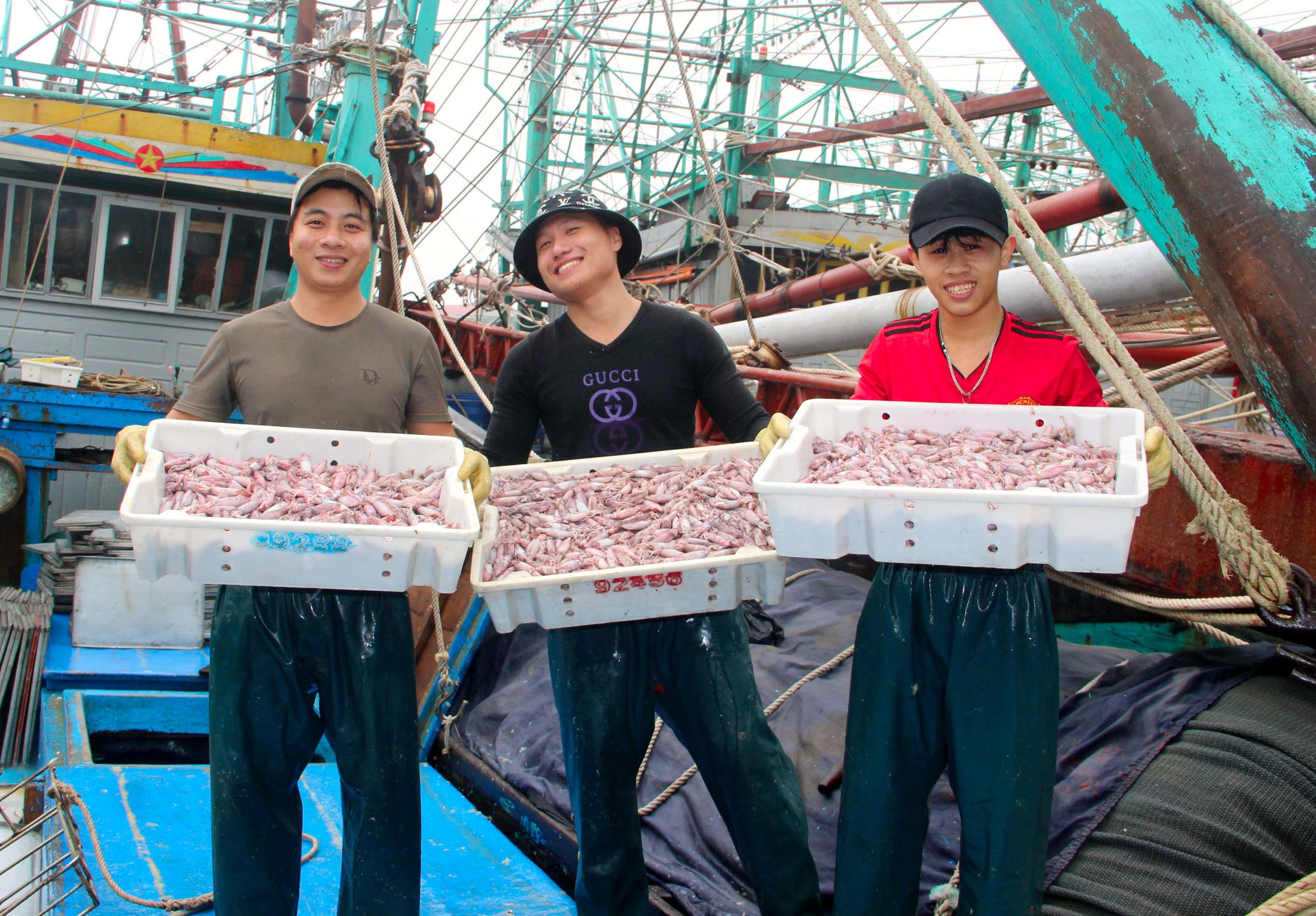 |
| Fishermen in Nghe An are delighted as seafood prices have reached record highs since the Lunar New Year. Photo: Nguyen Chau |
According to surveys, seafood prices at Lach Van port, Dien Chau district, have increased sharply. Specifically, the price of grade 1 crab has increased from 200,000-250,000 VND/kg to 400,000 VND/kg; fresh mackerel has increased from 160,000 VND/kg to 220,000 VND/kg; tiger prawns have increased from 400,000 VND/kg to 550,000 VND/kg; and various types of squid have also increased by 100,000-150,000 VND/kg compared to March.
Mr. Nguyen Van Dung - Vice Chairman of the People's Committee of the communeDien NgocHe stated: "From the beginning of the year until now, the total catch of the commune has been 5,200 tons of seafood, generating nearly 300 billion VND in revenue. Specifically since the beginning of April, fishermen in the commune have caught nearly 1,000 tons of various types of seafood. Seafood prices are also at their highest level since the Lunar New Year, so the people are very happy."
Reportedly, the reason for the sharp increase in seafood prices is that the tourist season has begun, and hotels and restaurants have started importing large quantities of seafood to serve their businesses. In addition, the current outbreaks of diseases in pigs, buffaloes, and cattle are becoming more complex, leading consumers to choose other food options for greater safety.safe, in which seafood is a top priority for many people.
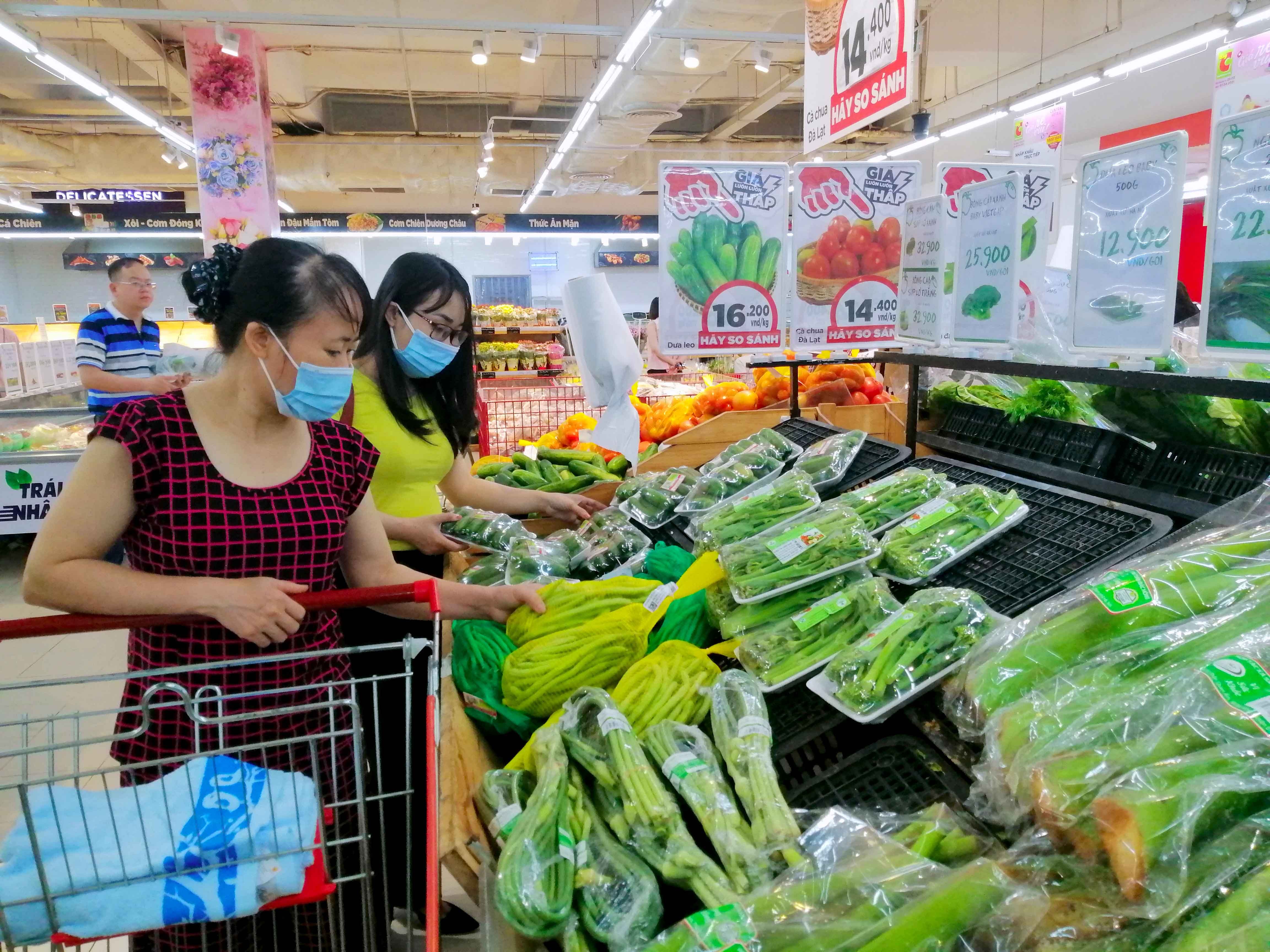 |
| Despite the high prices, many consumers are choosing to buy leafy green vegetables. Photo: Nguyen Chau |
Not only seafood but also various types of green vegetables are currently reaching their highest prices since the beginning of the year. Ms. Le Thi Hanh, a resident of Hung Dong commune, Vinh City, said: "Currently, short-term vegetables such as chrysanthemum greens, mustard greens, jute mallow, herbs, lettuce... have increased by about 50% compared to March. Especially kale, which is most widely grown in the Vinh Xuan vegetable growing area, has increased from 5,000 VND/kg to 15,000 - 20,000 VND/kg, but farmers don't have enough to sell."
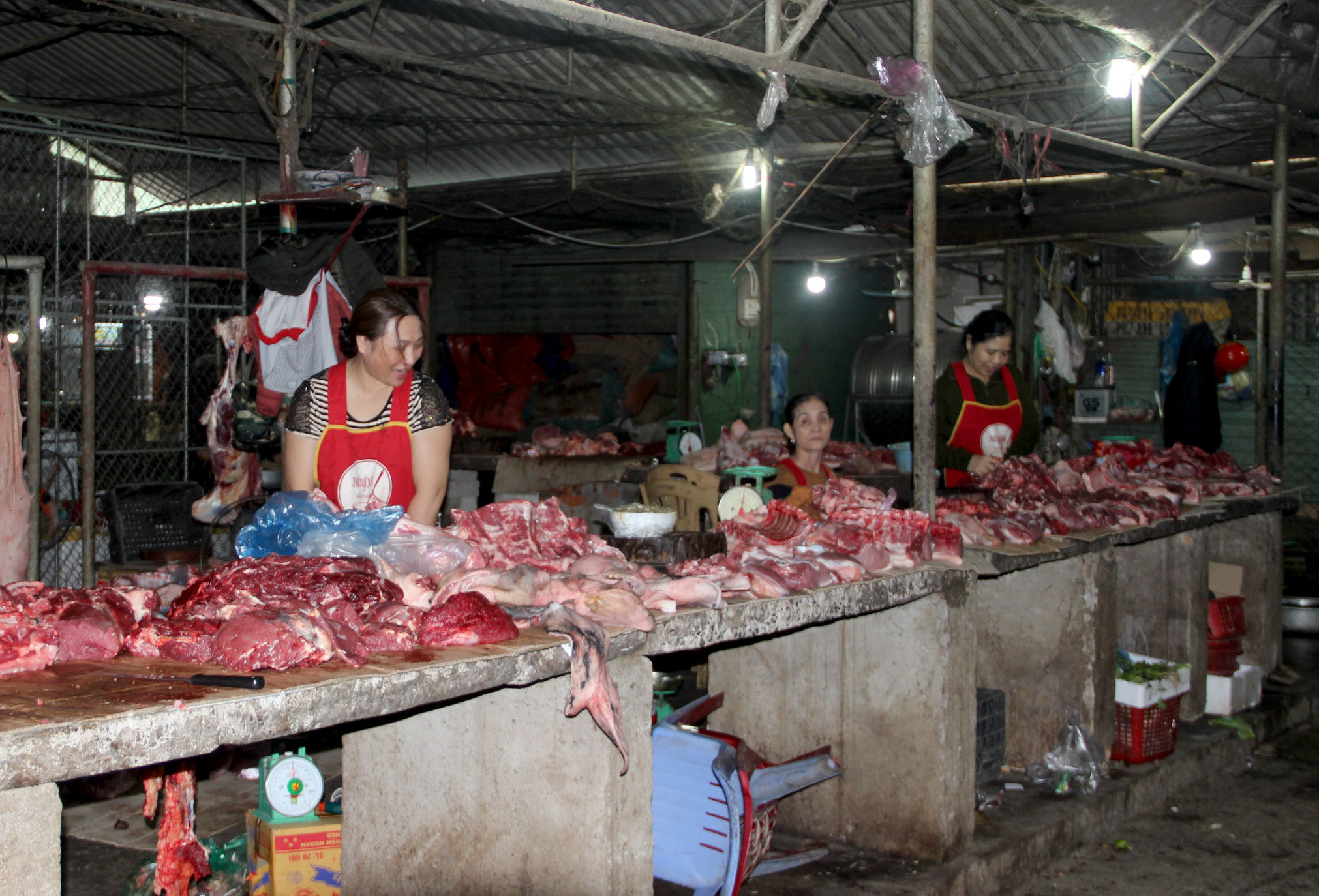 |
| Pork and beef stalls in markets are currently experiencing very low business. Photo: Nguyen Chau |
In stark contrast to the bustling atmosphere at seafood and vegetable stalls, the kiosks selling beef and pork are currently deserted, with vendors waiting for customers being a common sight in the markets.
According to a survey at Quan Lau market (Vinh City) on the morning of April 10th, while beef prices remained at 220,000 - 250,000 VND/kg, pork prices had decreased by about 20,000 VND/kg, fluctuating between 140,000 - 150,000 VND/kg. Despite this, the demand for both food items remained very low.
Ms. Van, a small business owner selling beef, said: "Although the meat imported from slaughterhouses all has a clear origin and documentation."quarantine"However, buyers have dropped significantly this past week, so we've had to import less to avoid losses. Previously, we imported 50-70 kg of meat per day, but now we only import 30 kg, just enough to sell..."
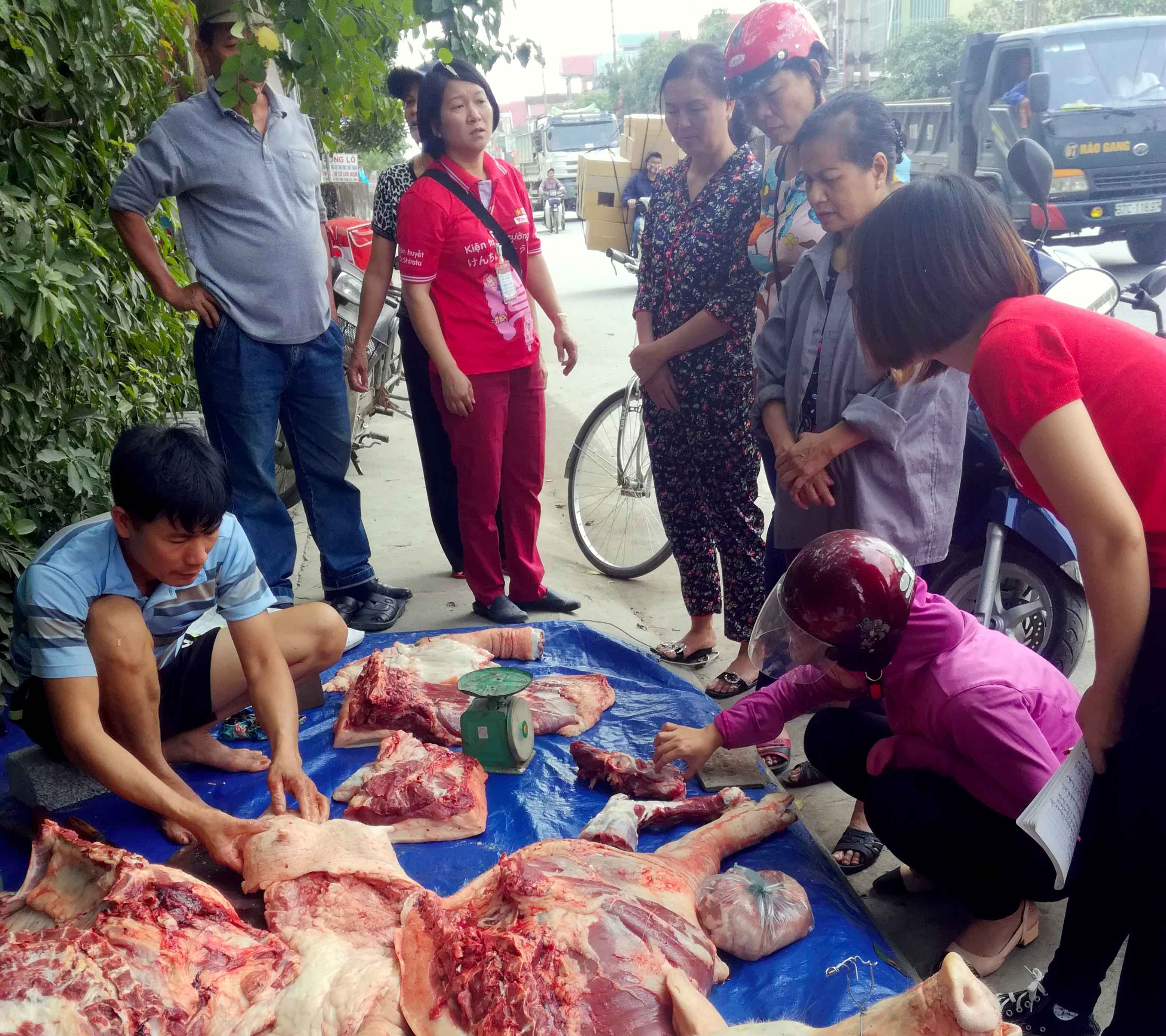 |
| Consumers should be cautious when buying pork and beef from street vendors. Photo: Nguyen Chau |
Currently, the Nghe An Department of Livestock and Veterinary Medicine advises consumers not to turn their backs on pork and beef products, but to choose meat slaughtered at centralized slaughterhouses, inspected and controlled by veterinary authorities, and bearing quarantine stamps. Absolutely do not consume pork and beef sold on sidewalks or roadsides as they do not guarantee disease safety and food hygiene.
Yuanzhou