Proposals include reorganizing and merging provinces with small populations and areas.
Some provinces with small natural areas, high population density, and land scarcity will be selected for restructuring and merger in the near future.
The draft regulations on provincial-level administrative units are currently being developed. For mountainous and highland provinces, the conditions for not having to merge are: a population of at least 900,000 people and a natural area of at least 8,000 km².2or more.
For non-mountainous provinces: a population of at least 1.4 million people and a natural area of at least 5,000 km².2 or more.
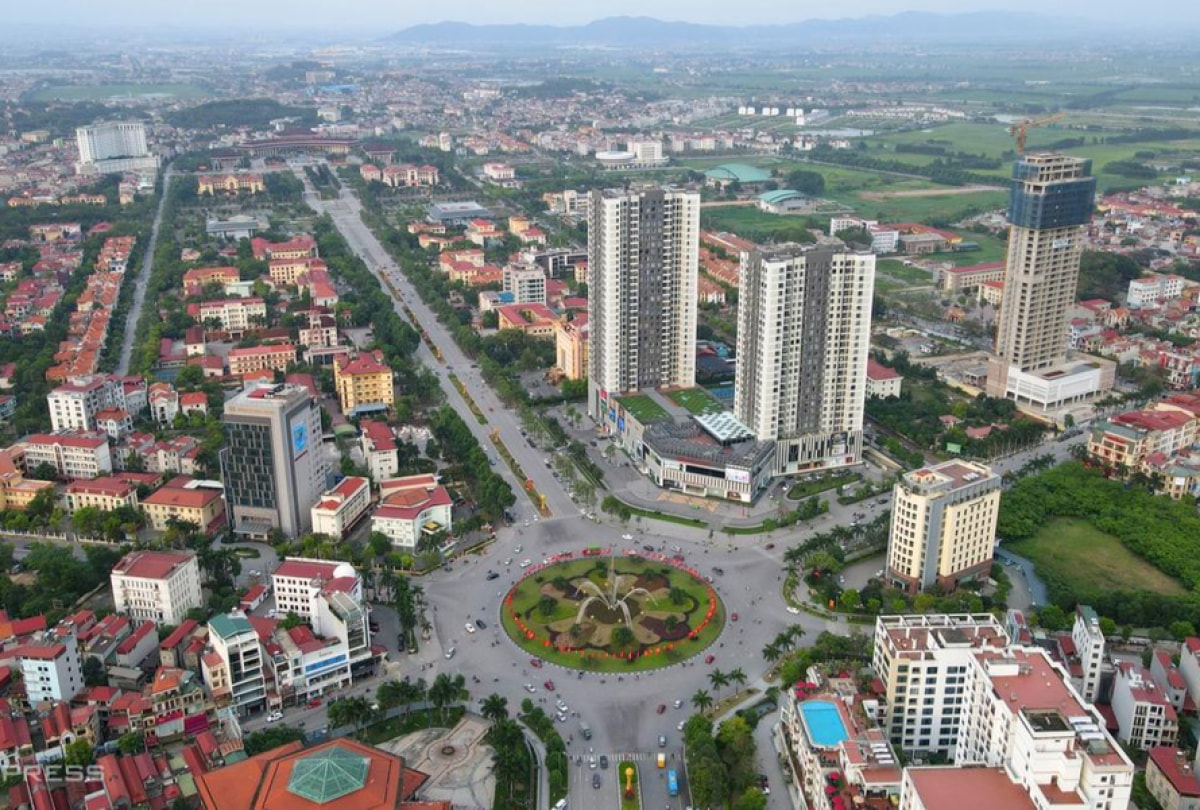 |
| Bac Ninh is the smallest province in terms of area, with only 822.7 km².2(Illustrative image) |
This time, the Ministry of Interior proposed an amendment: provinces, districts, and communes in mountainous and highland areas with a natural area exceeding 150% or more of the general standard will have their population size reduced by 25% compared to the regulations. This amendment aims to align with the specific characteristics of mountainous and highland administrative units with large natural areas, complex terrain, and small populations.
According to the results of the 2019 Population Census by the General Statistics Office, the top 10 provinces with the smallest populations are: Bac Kan, Lai Chau, Cao Bang, Kon Tum, Ninh Thuan, Dien Bien, Dak Nong, Quang Tri, Lao Cai, and Hau Giang. Among these 10 provinces, the population ranges from only 314,000 to 733,000 people.
Notably, the five least populated provinces are all located in the northern mountainous region. Bac Kan is the least populated, with only 314,000 people. Lai Chau ranks second, despite its large area, with a population of just over 460,000. Cao Bang comes in third with over 530,000 people.
There are two provinces in the Central Highlands with small populations: Kon Tum with 540,000 people and Dak Nong with 622,000 people.
In terms of natural area, the 10 smallest provinces in the country are: Bac Ninh, Ha Nam, Hung Yen, Vinh Phuc, Da Nang, Ninh Binh, Can Tho, Vinh Long, Hai Phong, and Thai Binh.
Bac Ninh is the smallest province in terms of area, with only 822.7 km².2This province borders Bac Giang and Bac Ninh City is located 30 km from the center of Hanoi. Although it has the smallest area in the country, Bac Ninh has a relatively large population of approximately 1.37 million people.
Coming in second is Ha Nam province with 860.9km.2Located in the Red River Delta region, bordering the capital city of Hanoi and the provinces of Nam Dinh and Thai Binh.
The next smallest province in terms of area is Hung Yen with 930.2 km².2, bordering Bac Ninh, Hai Duong, and Hanoi.
With an area of 1,235.2 km²2Vinh Phuc ranks fourth among the smallest provinces in Vietnam in terms of area. Vinh Phuc borders Thai Nguyen province, Phu Tho province, and Hanoi city.
Da Nang is a centrally governed city, but it only covers an area of 1,284.9 square kilometers.2Da Nang ranks fifth among the provinces and cities with the smallest area. Da Nang borders Thua Thien Hue and Quang Nam provinces.
The Ministry of Interior stated that it will select a number of provinces with small natural areas, high population density, difficulties in allocating land for development, or those with national defense and security requirements for restructuring. For these pilot provinces, the Central Committee, the Politburo, and the National Assembly will review each case individually.
According to the Ministry of Interior, once the amended resolution is passed, from 2022 to 2026, the reorganization of district and commune-level administrative units will be implemented, and a pilot program will be launched to reorganize some provincial-level administrative units that have not met 50% of one of the two standards (the remaining standard has not reached 100%) regarding natural area and population size as prescribed.
According to the roadmap, by 2030, the reorganization of administrative units at all levels will be completed in accordance with the revised and supplemented standards and in line with the national overall administrative unit plan.