

Prospects for the "royal" delicacy in Tho Hao - Thanh Chuong
(Baonghean.vn) - After trial planting, this precious ginseng plant is about to be harvested, expected to yield high production and economic value, opening up prospects for changing the land structure of Tho Hao area in Thanh Chuong district (Nghe An).
RESTORING THE NATURAL FLAVOR OF PRECIOUS GINSENG
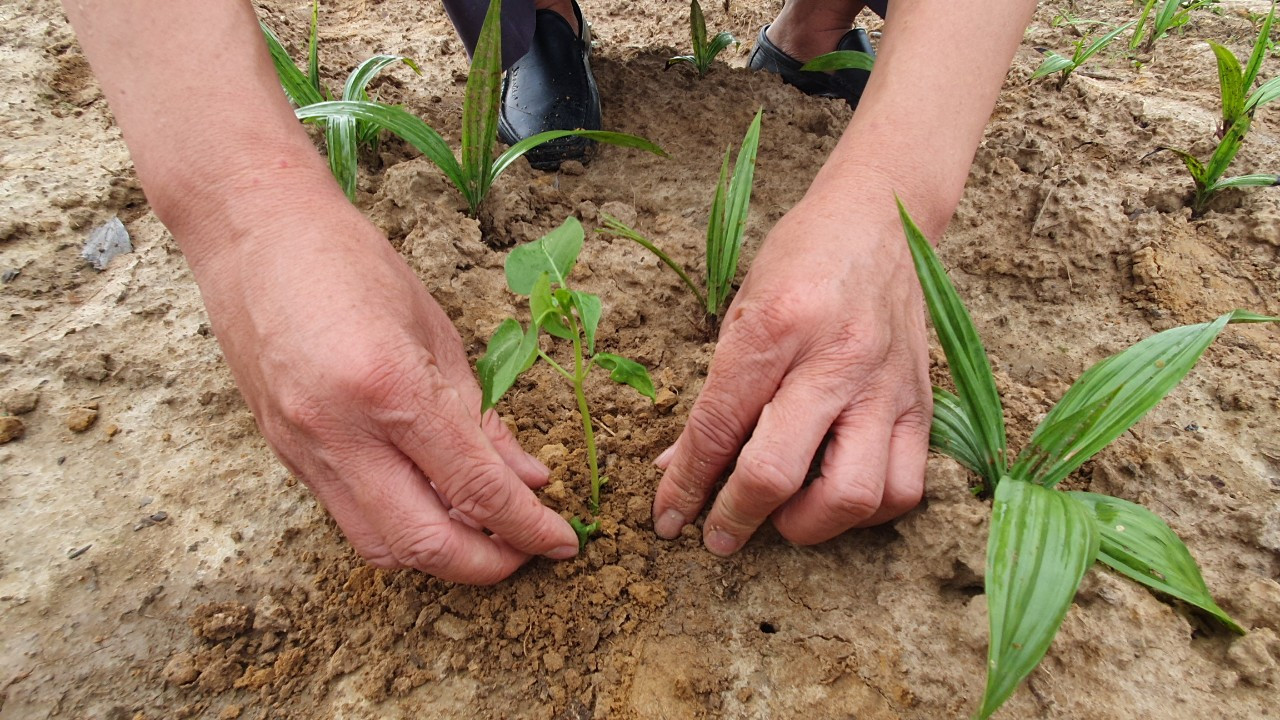 |
| In 2017, the Thổ Hào ginseng variety was restored and tested in Thanh Hà (Thanh Chương). Photo: Thanh Phúc |
Ginseng of Thổ HàoAlso known as Bo Chinh ginseng, it originates from the ancient Tho Hao district, now the communes of Thanh Giang, Thanh Ha, Thanh Mai, and Thanh Tung (Thanh Chuong district). It is a precious medicinal herb, considered a "royal tribute." However, over time, this type of ginseng has been overexploited and is gradually becoming extinct.
In 2017, Tan Hung Thinh Cooperative researched, collected, and restored this ginseng variety in its original location. By 2020, the cooperative, together with the Department of Science and Technology and the Farmers' Association of Thanh Chuong district, conducted a pilot trial planting on 2 hectares in the communes of Thanh Ha, Thanh Giang, Thanh Tung, and Thanh Mai, with 10 participating households. Participating households received support in terms of seeds and fertilizers, guidance on cultivation and harvesting procedures, and a guaranteed purchase agreement for their produce.
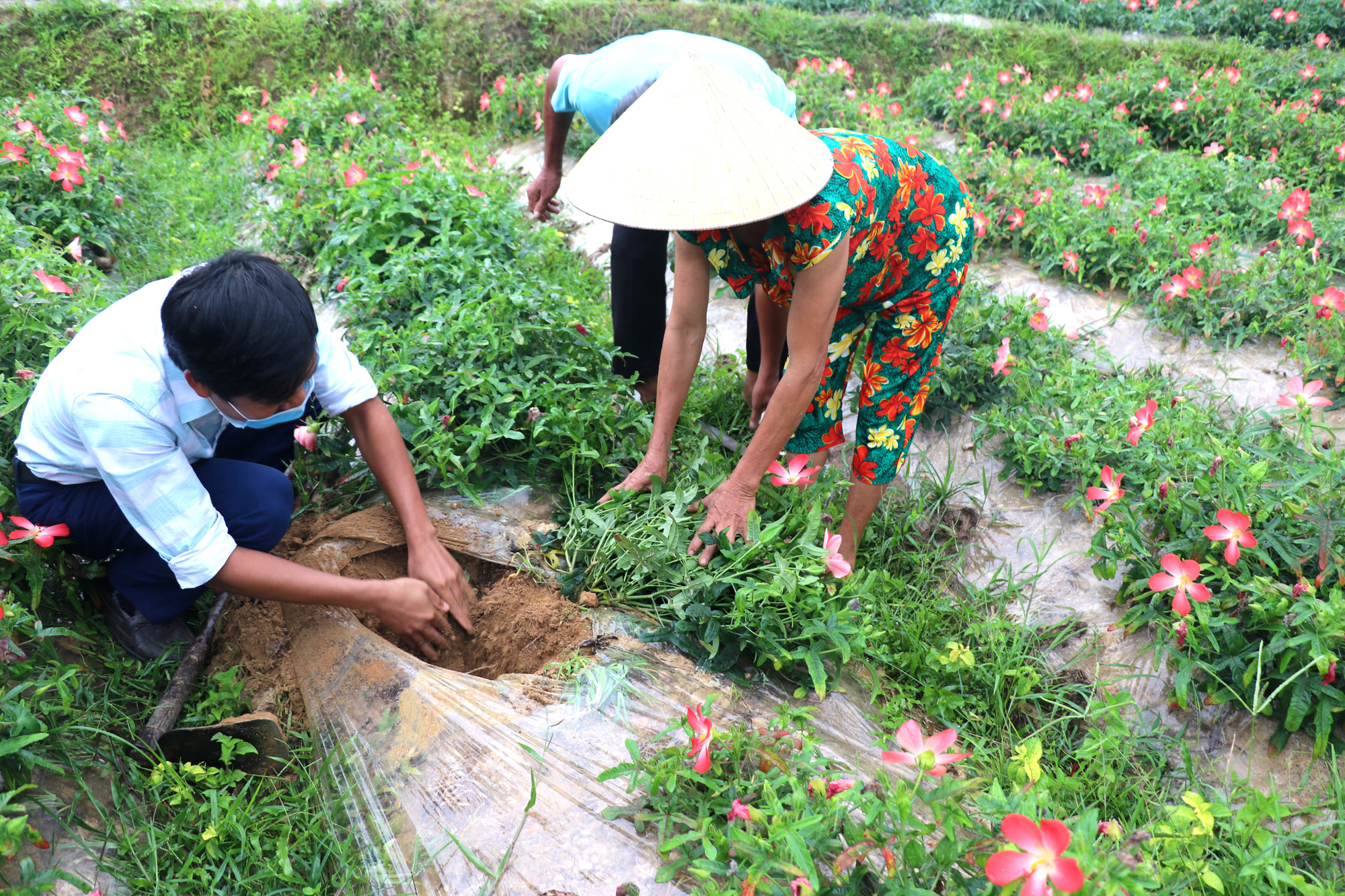 |
| Mr. Tran Van Trung's ginseng garden in Hamlet 3, Thanh Ha Commune, is thriving and almost ready for harvest. Photo: Thanh Phuc |
Mr. Dang Huu Bien, Chairman of the People's Committee of Thanh Ha commune (Thanh Chuong district), said: "Originally a native plant that has been restored, it is suitable for the soil and climate here; the care is not too difficult, and the people can quickly adapt. After 6 months of pilot planting, 6 sao (approximately 0.6 hectares) of ginseng belonging to 3 households in the commune are growing and developing well, promising high yields."
According to calculations, each plot of land can accommodate 1,200 to 1,350 ginseng plants. Each plant, when fully grown, will yield 100 to 150 grams, resulting in a yield of 1.2 to 1.5 quintals per plot. At current market prices, ranging from 250,000 to 350,000 VND per kilogram, this yields an income of 25 to 40 million VND per plot. Currently, the Tan Hung Thinh Cooperative is the main distributor of this valuable ginseng variety.Commitment to purchase the entire product.set.
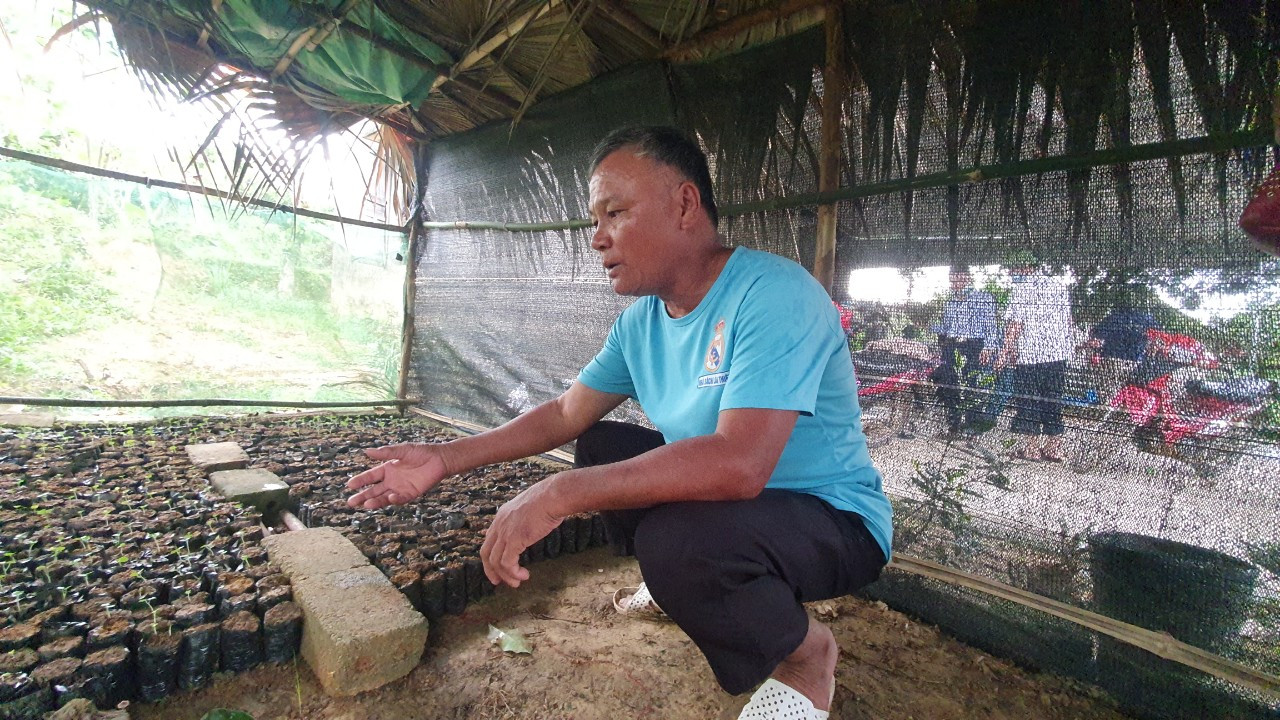 |
| As a native plant, Thổ Hào ginseng is easy to propagate and well-suited to the local soil and climate. Photo: Thanh Phúc |
Mr. Tran Van Trung, a ginseng farmer in Hamlet 3, Thanh Ha Commune (Thanh Chuong District), said: “Previously, this land was only used to grow cassava or elephant grass for livestock, which yielded low returns. When we experimented with growing ginseng, we found that the ginseng plants grew and developed well, and preliminary calculations show that it will bring in ten times more income than other crops.”
The restoration of this precious ginseng variety opens up new prospects for restructuring crop patterns in the hilly and highland areas of the former Tho Hao communes; contributing to increased income and improved living standards for the local people.
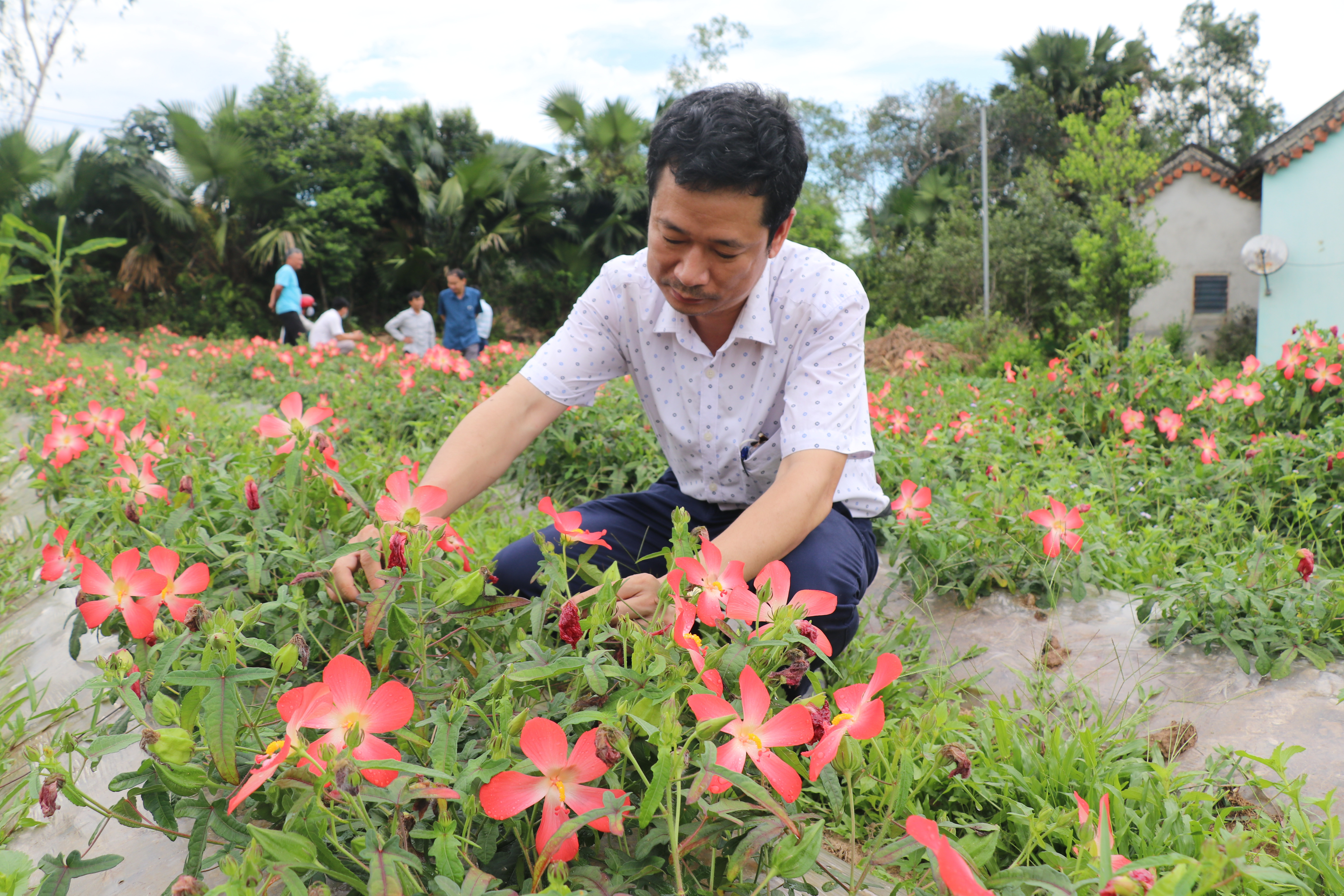 |
| According to estimates, each plot of ginseng, if grown to a high yield and quality standard, will generate an income of 40-50 million VND/plot. Photo: Thanh Phuc |
The origin of Thổ Hào ginseng is linked to Dr. Phạm Kinh Vỹ, a general skilled in both military and literary arts during the Lê Trung Hưng era, and also a native of Thổ Hào commune, Thổ Hào district, Thanh Chương county in the first half of the 18th century. Legend says that during a battle in the North, Dr. Phạm Kinh Vỹ had a dream in which he used this plant to save his life. He then brought it back to his hometown and planted it, hence its other names, Hào Ginseng or Thổ Hào Ginseng.
Thổ Hào ginseng is a delicacy that was traditionally offered to the emperor, as recorded in historical texts. Specifically, in the book "Thanh Chương District Chronicle" by author Bùi Dương Lịch, it states: "Thổ Hào ginseng is a delicacy that was traditionally offered to the emperor."
EXPECTATIONS FOR OCOP PRODUCTS AND ECOTOURISM
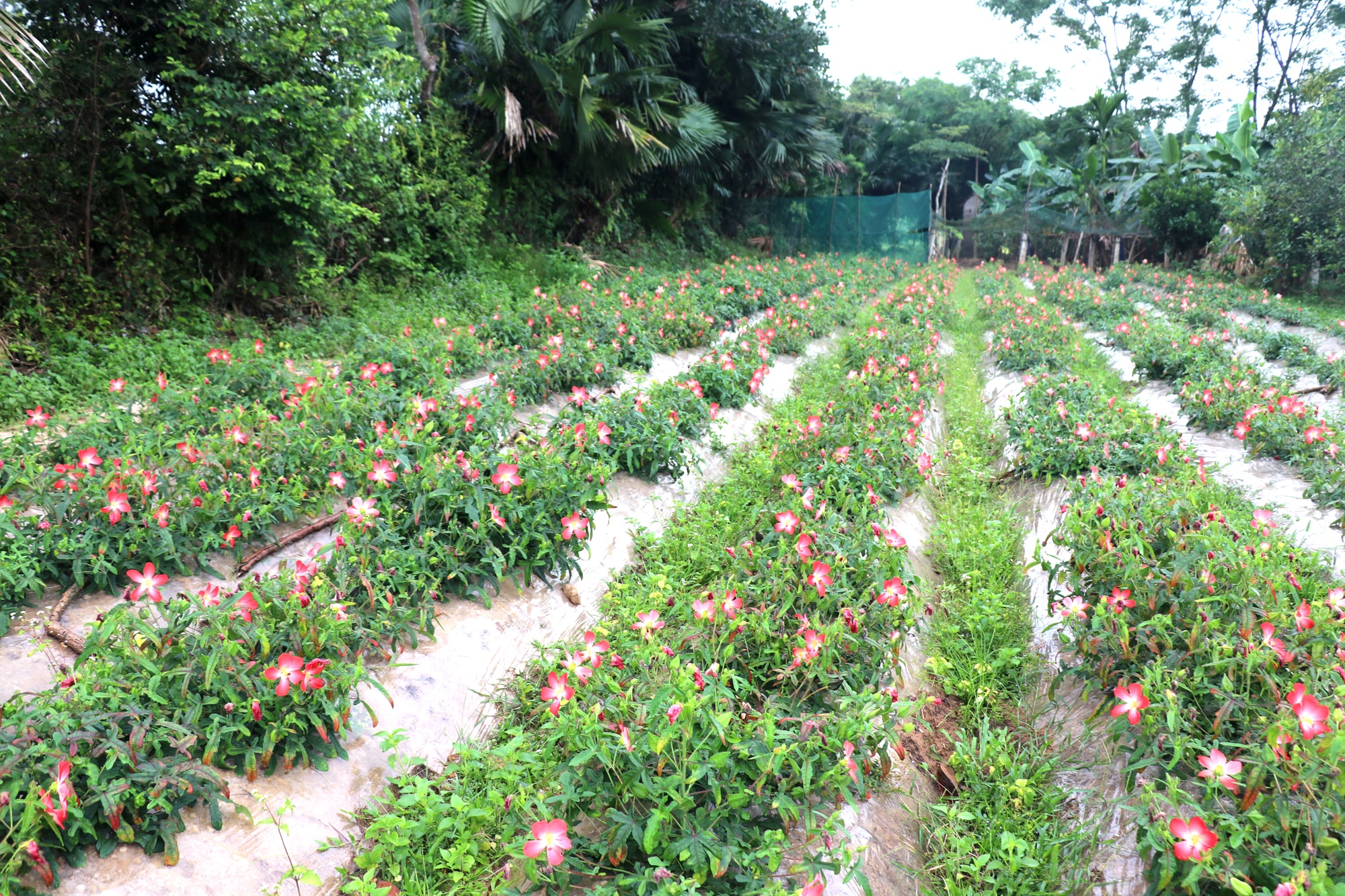 |
| The once barren, upland fields used for growing cassava and corn have now been replaced by fields of Thổ Hào ginseng, which, in addition to its economic benefits, is also linked to the historical, cultural, and human values of the area. Photo: Thanh Phúc |
According to Mr. Hoang Kiem, Director of Tan Hung Thinh Cooperative, restoring a plant variety is not only about preserving a specialty product associated with the history and culture of a region, but also about preserving the essence and character of a cultural area. "As a product of local origin, a delicacy once offered to the king, and grown in a land of outstanding people and rich in scenic beauty, combining this product with..."ecotourism and experiential tourism"That's a promising direction," Mr. Kiem said.
Currently, some households in Thanh Ha commune are piloting the "3S" farm model, which involves growing ginseng, lotus, and myrtle right in their home gardens to serve experiential tourism.
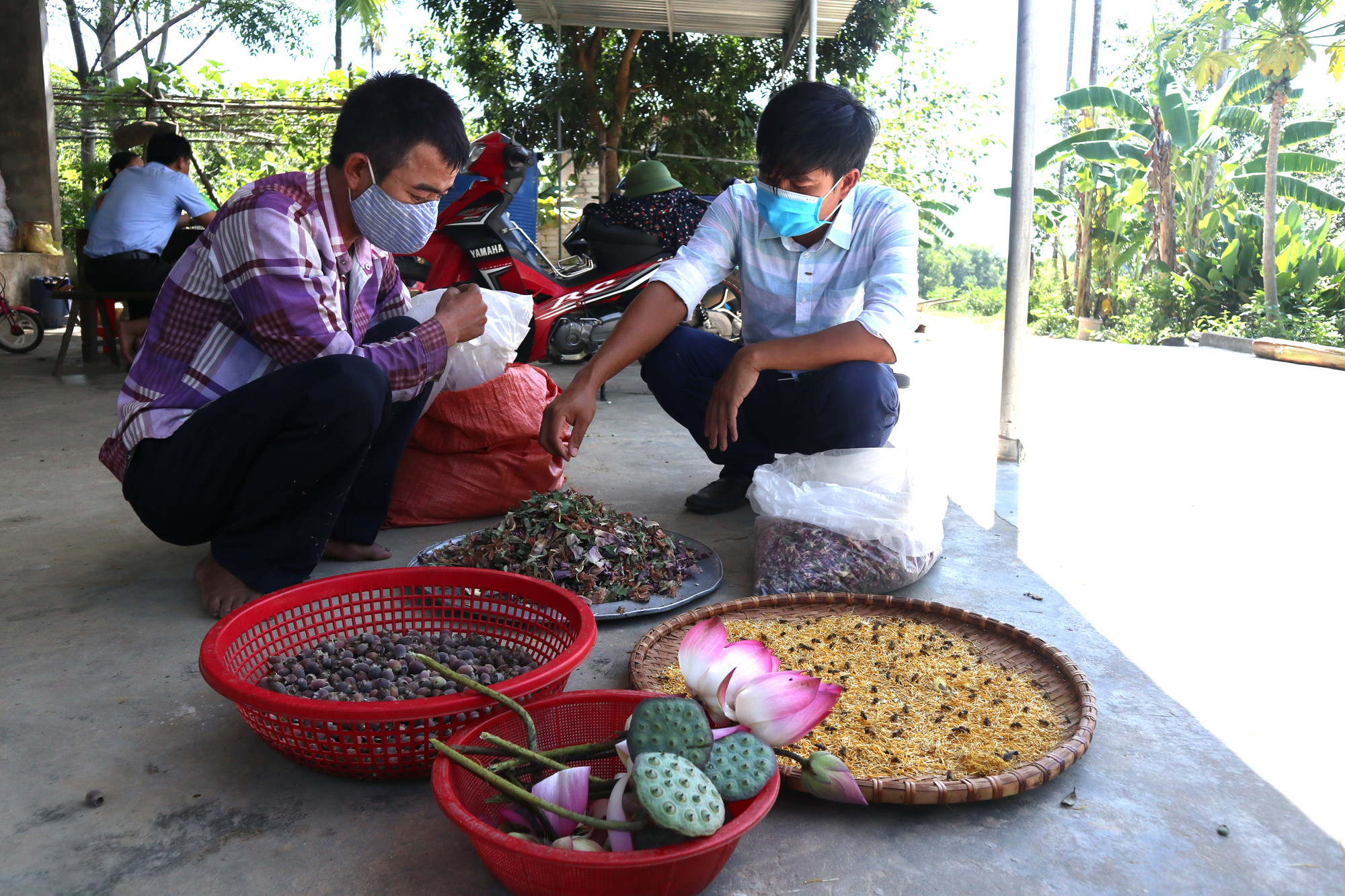 |
| Mr. Lam Van Hanh's family is experimenting with 3S tea made from sim-sen-gin (lotus-ginseng) according to a traditional recipe. Photo: Thanh Phuc |
Mr. Lam Van Hanh, a household participating in the model, said: “Currently, on my 5-hectare plot, I have 2 hectares planted with myrtle, a nearly 0.7-hectare pond planted with lotus and fish, and 2 plots planted with Tho Hao ginseng. Myrtle, lotus, and ginseng all have beautiful flowers for people to take photos, stroll around, and go boating to pick lotus; they also have fruits and roots for people to experience harvesting, processing, and enjoying on the spot. We are currently experimenting with a “3S” tea made from wild myrtle fruit, Tho Hao ginseng flowers, and lotus rice. Hopefully, it will be researched and developed into a more refined product, a souvenir for tourists.”
According to research, ginseng is a precious herb with cooling properties, beneficial for nourishing the body, combating weakness, replenishing yin and lungs, relieving stress, and promoting sleep. Products derived from ginseng can be used in three forms: as a food ingredient in cooking, soups, and porridges; processed into functional foods such as ginseng capsules and ginseng powder for beauty purposes; and used as a medicinal ingredient to support the treatment of insomnia, lung tonics, and yin tonics.
Therefore, according to the district's plan, in the coming time, they will coordinate with relevant parties to process OCOP products from Tho Hao ginseng such as: ginseng capsules, 3-in-1 ginseng powder, and ginseng tea bags…
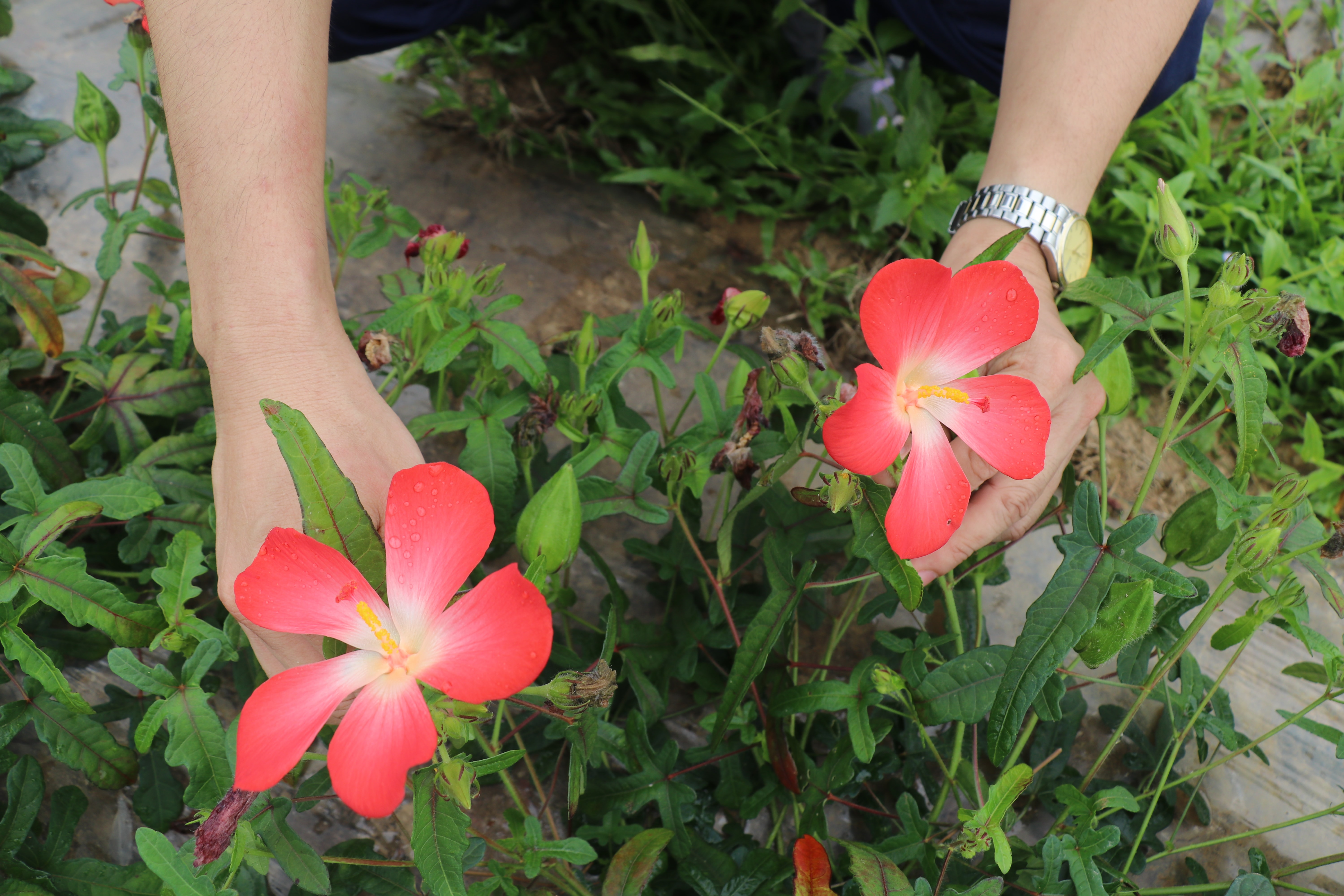 |
| From the Thổ Hào ginseng plant, OCOP products will be produced: ginseng tea, ginseng capsules, ginseng powder... with extracts from ginseng roots, stems, and flowers. Photo: Thanh Phúc |
Mr. Le Dinh Thanh - Vice ChairmanThanh Chuong District People's CommitteeHe stated: “In the near future, we will conduct an evaluation of the model, based on productivity, output, economic value, and actual market demand, to expand it. If successful, we may proceed to the next steps such as: combining ginseng cultivation with the development of local tourism. Tourists visiting the Tho Hao area will be able to visit historical sites: Vo Liet Temple, Bach Ma Temple, Bich Thi Temple… and other temples, shrines, and pagodas in the area; combined with scenic spots such as waterfalls and gorges. At the same time, they can take photos with ginseng, myrtle, and lotus flowers; experience ginseng harvesting and processing; enjoy Thanh Chuong hill chicken ginseng soup; ginseng tea…; and buy OCOP ginseng products as gifts…”.