

7 chronic diseases that reduce the effectiveness of Covid-19 vaccines.
People with liver disease, breast cancer, or those undergoing dialysis may not have as many antibodies against the SARS-CoV-2 virus after receiving the Covid-19 vaccine.
Researchers warn that approximately four out of ten people will not respond well to the vaccine. Therefore, many countries have planned to administer a booster dose this fall.
Accordingly, people with conditions such as leukemia, liver disease, arthritis, etc., are less likely to be protected against Covid-19 by vaccines.
The University of Glasgow and the University of Birmingham conducted a large-scale study across the UK to assess the effectiveness of the vaccine in immunocompromised patients.
The program utilizes a series of modern immunological tests performed on blood samples taken before and after the procedure.Covid-19 vaccinationIn a group of approximately 600 people, initial data showed that 40% of participants had a low immune response after vaccination.
Additionally, approximately 11% of immunocompromised patients did not produce any antibodies within 4 weeks after vaccination. The rate of non-antibody production was higher in some patient groups, particularly in those with ANCA vasculitis who had been treated with Rituximab.
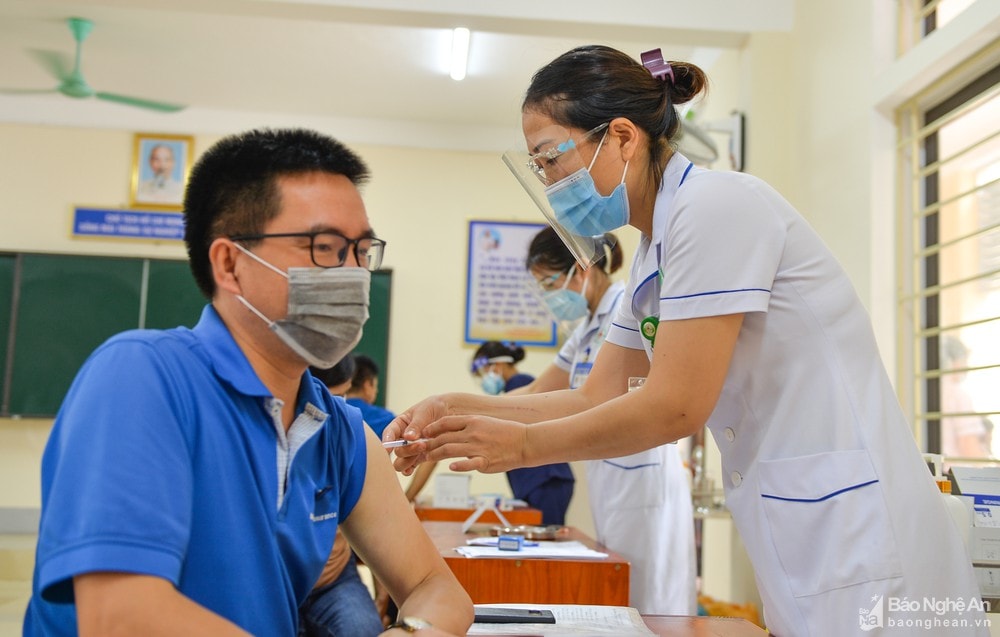 |
| Fourth round of Covid-19 vaccination in Vinh City. Photo: Thanh Cuong |
People with the following conditions have lower antibody levels compared to healthy individuals, even if they are vaccinated:
- Patients with ANCA vasculitis are being treated with Rituximab - 90%
- Arthritis - 54%
- Hemodialysis - 21%
- Liver disease - 51%
- Breast cancer, prostate cancer… 17%
- Blood cancer - 19%
- Bone marrow transplantation - 33%
Caroline Donoghue, a senior communications and scientific knowledge officer at the blood cancer research organization Myeloma UK, said: “Some multiple myeloma patients, especially those undergoing treatment, do not respond well to the Covid-19 vaccine. Some produce significantly lower levels of antibodies or even no antibodies at all after vaccination. Therefore, multiple myeloma patients remain in a state of uncertainty, not knowing whether the vaccine will help them fight Covid-19.”
"However, there was a clear increase in immune response from the first to the second dose in immunocompromised patients. This suggests they may benefit from a third dose."
A new study has been conducted to find out if a booster shot makes a difference for people who respond poorly to two doses of the vaccine.
British Health Secretary Sajid Javid stated that booster vaccinations play a crucial role in protecting those at high risk.
He said: “Vaccines have built a strong defense in the UK and this has allowed most of us to learn how to live safely with Covid-19.”
“We know some people may receive less protection from vaccines than others. So we are planning a booster vaccination program in the fall, prioritizing those at high risk.”