

What kind of porridge should a person with a cough and fever eat?
Cooking porridge with perilla leaves, onions, pumpkin, mung beans, etc., is easy to eat, fragrant, delicious, and nutritious. It helps relieve colds and is suitable for people with coughs, fevers, and fatigue.
Changing temperatures combined with COVID-19 infection have led to many people experiencing coughs, fevers, bronchiolitis, pneumonia, and more severe colds, especially the elderly, children, and those with weak immune systems. Traditional medicine practitioner Bui Dac Sang (Vietnam Academy of Science and Technology) provides guidance on several porridge-based dishes that boost immunity and effectively relieve cold symptoms.
Rice porridge with onions, perilla leaves, and eggs.
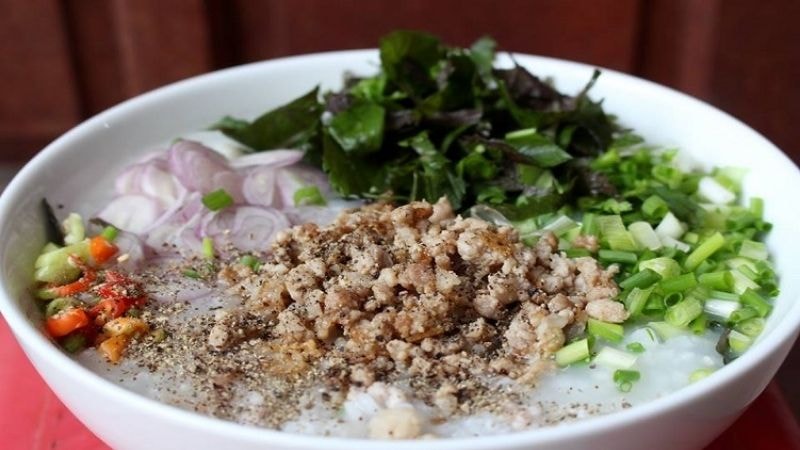 |
Perilla leaf porridge combined with free-range chicken eggs and scallions is a popular dish. Perilla leaves have a warming and spicy nature and can treat coughs, colds, fevers, and boost immunity.
You will need 100g of rice; one free-range chicken egg; one fresh ginger root; 5-10g of dried onion; a handful of fresh perilla leaves; 3-5 sprigs of green onions; pepper, and other seasonings to taste.
Wash and finely chop the perilla leaves and scallions. Slice the ginger into thin strips, and crush and finely chop the shallots. Cook the rice in a pot until it becomes a soft porridge. Then, add the egg yolk to the hot porridge and whisk it in. Finally, add the perilla leaves, ginger, and scallions and cook together, adjusting the seasoning to taste.
It's best to eat porridge while it's still hot to induce sweating. Afterwards, use a soft towel to wipe away the sweat to prevent cold air from getting into your body.
Chicken porridge
Chicken meat is rich in protein and amino acids, which boost the body's immunity and help fight infections. When suffering from a cold or flu, eating chicken porridge can help soothe a sore throat and make the body feel more comfortable.
Prepare 100g of lean chicken meat; a handful of white rice; scallions, cilantro, and seasonings to taste. Wash the rice thoroughly and cook it into a soft porridge. Then, wash the chicken meat, chop it finely, and stir-fry it briefly with the seasonings. Finally, add the chicken to the porridge, and add a little chopped scallions, cilantro, and pepper to the bowl of porridge to help relieve cold symptoms. Chicken porridge should be eaten while hot.
Pumpkin porridge
Pumpkins are rich in vitamins and minerals essential for the body, helping to boost immunity, treat coughs, and clear phlegm, making them a recommended food to eat whenever you have a cold or flu.
Prepare 100g of pumpkin and a handful of rice. Peel the pumpkin, remove the seeds, wash it, and cut it into thin slices before putting it in a pot to cook. Then, rinse the rice and add it to the pot with the pumpkin. Bring to a boil and add more water until both the rice and pumpkin are cooked through. The porridge should be eaten hot to enhance its effectiveness in relieving cold symptoms.
Mung bean porridge
Mung beans are rich in protein and amino acids that are good for the stomach. Eating mung bean porridge helps activate lymphocytes to produce antibodies that harm the body, helping to fight inflammation, reduce fever, and detoxify.
Prepare 1/3 can of mung beans and a handful of white rice. Soak the mung beans in water for about an hour before cooking. Then add them to the pot with the washed rice and cook until both the mung beans and rice are tender. Add seasonings to taste. It's best to eat the porridge while it's still hot. Eating mung bean porridge regularly for 2-3 days can help reduce cold and flu symptoms and lower fever.
CasePoor appetite, fatigue, and feeling full quickly.Patients should divide their meals into smaller portions throughout the day. For example, adults who usually eat three meals a day should divide them into four to six meals a day after recovering from COVID-19. When their appetite improves, reduce the number of meals and increase the amount of food in each meal, with an energy intake of about 400-500 kcal per day compared to before. The amount of protein supplied to the body also needs to increase by about 75-100 g per day.
Enhance the combination of nutritional recovery with exercise and rehabilitation as guided by a specialist. Patients also need to get enough sleep, sleep more than usual, and try to go to bed at a consistent time. If there are underlying medical conditions, consult your doctor to combine nutritional guidelines for those conditions with your current situation for the best results.